Salt Lake City energy startup Torus announced a $500 million Series C funding round on November 11, 2026, according to a Bloomberg report.
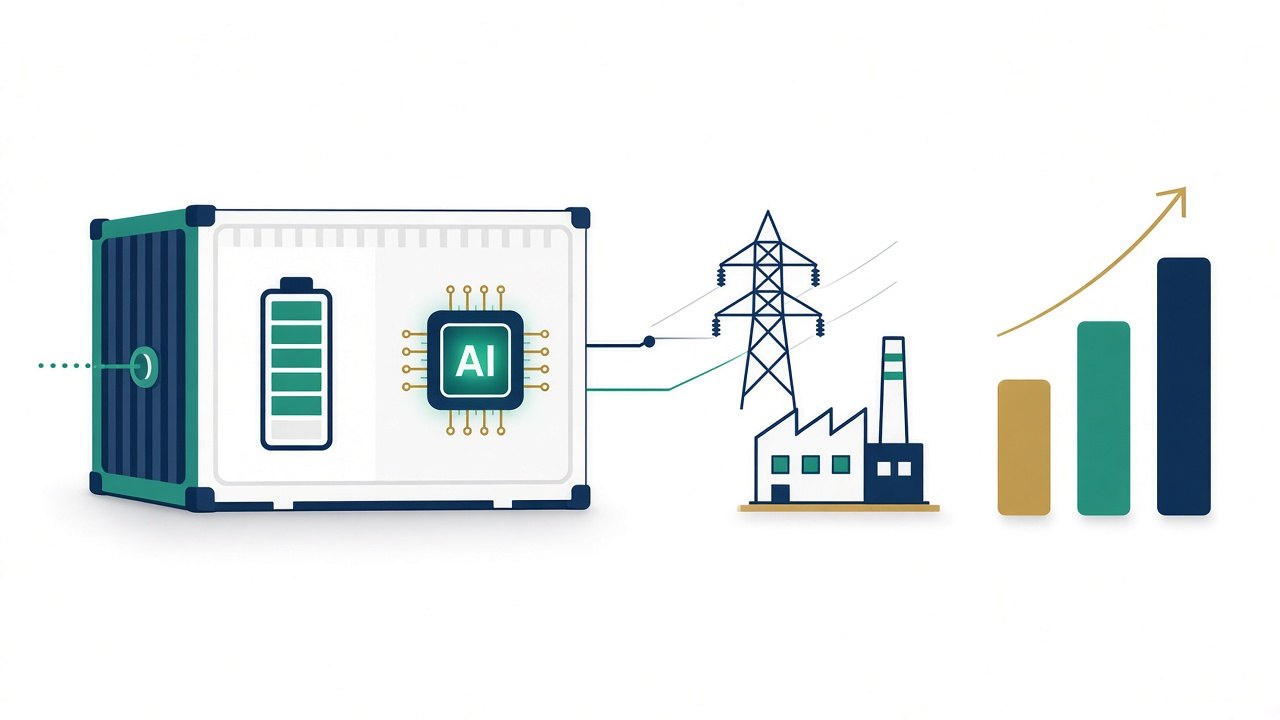
The capital is intended to begin production of Foundry, a shipping container-sized unit that integrates battery storage with AI computing for inference tasks.
Magnetar led the Series C round, which also included participation from Iconiq Capital, Origin Ventures, and Trinity Capital. While the round size was disclosed, Torus did not release a specific company valuation.
Each Foundry unit can range from 1 to 20 megawatts and can be installed within a four-month timeframe, according to founder and CEO Nate Walkingshaw. The company intends to place these units at businesses and factories located where the local grid has spare capacity to avoid costly utility upgrades. Torus named AI infrastructure company Hydra Host as one of the first customers for the technology.
The Series C funding is 2.5 times larger than the company's $200 million growth investment from September 2025 and exceeds the total of all previous Torus financings combined. This brings the company's total disclosed capital raised to $767 million since 2024.
Prior to this, Torus has disclosed three major financings: a $67 million Series A in April 2024 led by Origin Ventures, and a $200 million investment in September 2025 also led by Magnetar.
Torus, founded in 2021 in Utah, previously specialized in modular battery systems. Its existing product line includes Nova Spin, which uses a motor to store energy as motion, and Nova Pulse, which utilizes lithium iron phosphate batteries for long-duration storage.
By September 2025, the company had deployed its systems more than 230 times, managing over 1 gigawatt of facility power. The company manufactures its hardware at the 540,000-square-foot GigaOne campus in Salt Lake City, with a goal to reach a quarterly output of more than 1 gigawatt within three years.
The move into AI infrastructure addresses increasing electricity demands for AI workloads in data centers. Nate Walkingshaw stated that the shift in regulatory environments in some states opens opportunities for computing solutions that do not increase local noise, pollution, or power bills.