The Bryner Pioneer Museum celebrated its 10th anniversary in Price on July 22, hosting a ribbon-cutting ceremony and a dedication for a salvaged flagpole from the original Price City Post Office. The event, held at the historic Victorian home, marked a decade of the museum being open to the public and honored the preservation of local heritage.
Celebrating a Decade of History
The celebration, which included refreshments and guided tours, served as a milestone for the institution and its supporters. According to the museum, the anniversary event allowed visitors to explore the collection and learn more about the history of the site through specialized tours.
The Carbon County Chamber of Commerce also participated in the festivities, celebrating the museum's continued role in the community. The chamber highlighted the significance of the museum's presence in Price as it reaches this decade-long milestone.
A Symbol of Civic Heritage
The centerpiece of the anniversary event was the dedication of a newly installed flagpole. This flagpole was salvaged from the original Price City Post Office, representing a physical link to the city's civic history.
By incorporating items like the salvaged flagpole, the museum aims to provide a deeper connection to the local area. The dedication ceremony allowed community members to honor this piece of Price's history as it found a new home at the museum grounds.
The Historic Bryner House
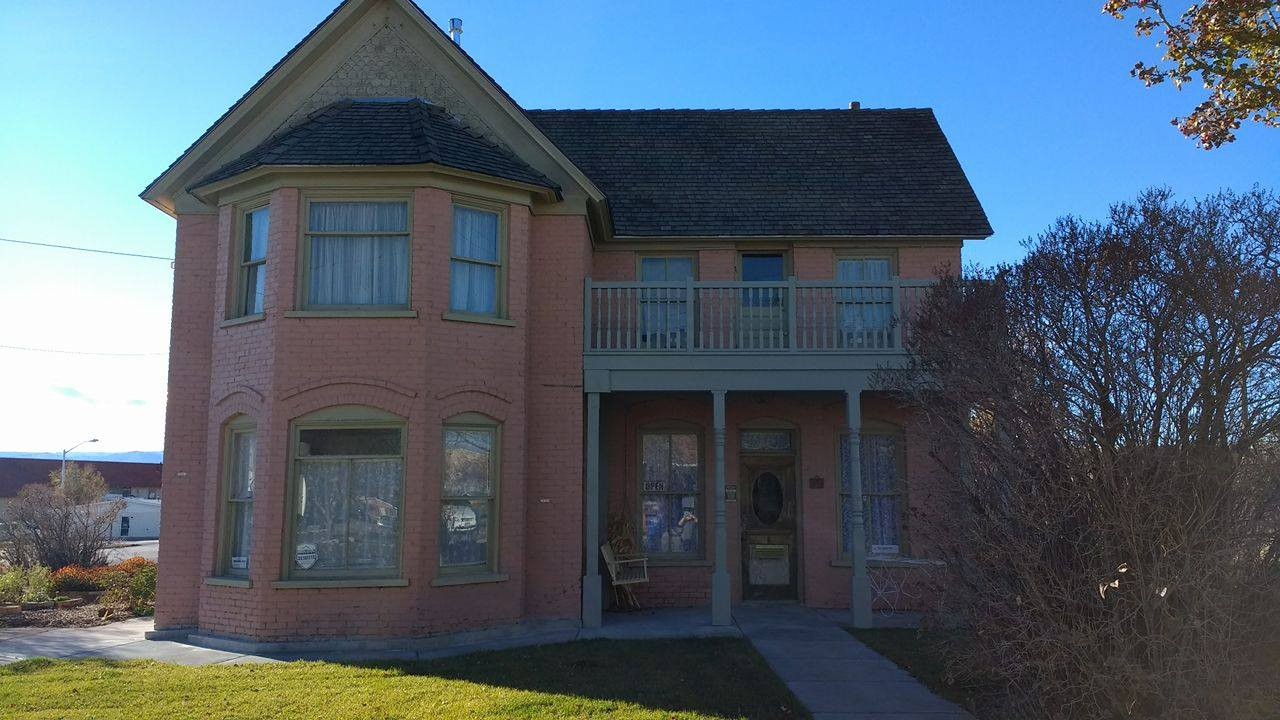
The museum is located in a two-story Victorian-style home built in 1892 by Albert and Mariah Bryner. The structure serves as a window into early Utah life, showcasing personal artifacts and stories from the Bryner family.
Visitors to the museum can experience a trip back in time through guided tours that bring the collection to life. These tours are designed to help guests gain a deeper understanding of the lives of early settlers in the region.
Pioneer Roots and Construction
The history of the property is deeply rooted in the migration of the Bryner family. In 1884, Hans Ulrich Bryner, a Swiss immigrant and LDS convert, moved from Washington County to help settle the Price area. He and his family initially lived in a dugout along the bank of the Price River while constructing their first home on a five-acre lot known as Block 27.
Albert Bryner, the son of Hans Ulrich, was deeded a portion of Block 27 on March 4, 1891. During the construction of the current two-story home, the family lived in a small frame building that still stands at the northwest corner of the property today.
A Century of Diverse Uses
The Bryner home has served many purposes over its long history. After its completion in 1892, Albert Bryner left for a two-year LDS mission to Switzerland, during which time Mariah Bryner established a successful sewing business to support the family.
Upon Albert's return, the family operated the house as a boarding house that could accommodate up to 15 people per night, serving travelers arriving via the nearby train station. Following Albert's death in 1930, the house was used as a mortuary by Clarence and Lucile Tingley until 1939, and later by the Deseret Mortuary. The building also functioned as a duplex and a sewing machine and upholstery shop before becoming a credit union in the 1970s.
Restoration and Preservation
The museum's current form is the result of a dedicated restoration effort led by Bruce Bryner, a descendant of Albert and Mariah. After the house sat vacant for 18 years, Bruce worked with the Bryner Pioneer Museum Foundation to restore the building into a functional museum.
Today, the museum's layout is designed to reflect different eras of the home's history. The main floor is intended to represent the original 1892 residence and its era-appropriate artifacts, while the second floor is dedicated to the later years when the building served as a mortuary and a credit union.
Museum Information and Partnerships
The Bryner Pioneer Museum remains a key cultural attraction in Carbon County. It is open to the public Tuesday through Saturday, with specific afternoon hours, and is closed on Sundays and Mondays. The museum continues to serve as a partner in local efforts to preserve the history of the Price area.