The Town of Clarkston provided information through its Code of the West to help citizens and future residents make informed decisions about moving to a rural area. The document, which draws inspiration from the unwritten code of conduct chronicled by Zane Grey, serves as an educational guide for those contemplating life in a remote community.
Differences in Rural Living
The town noted that life in remote areas like Clarkston differs significantly from urban living. Because the municipality does not employ full-time public works staff, roles for roads, water, cemetery, and parks are filled by part-time individuals with other full-time jobs. Consequently, immediate responses to certain conditions may not be an expectation.
Emergency Service Limitations
Regarding emergency services, Clarkston maintains a volunteer fire department that is not staffed 24/7. While the town has certified first responders, response times for the Sheriff, fire, and medical care cannot be guaranteed and may be slow or costly under extreme conditions.
Utilities and Infrastructure Challenges
Infrastructure and utilities also present unique considerations. The town stated that water, electrical, and telephone services may have limited availability or not operate at urban standards. While a culinary water system exists, supply is not unlimited and restrictions may be implemented. Additionally, sewer service is unavailable, requiring property owners to qualify for septic systems through the Bear River Health Department.
Development and Road Maintenance
Property development in Clarkston follows a policy of building subdivisions before homes. Full development infrastructure must be in place before building permits are issued. Residents should also be aware that unpaved roads are unlikely to be paved by the town in the foreseeable future, and private roads must be maintained by the owner.
Environmental and Agricultural Factors
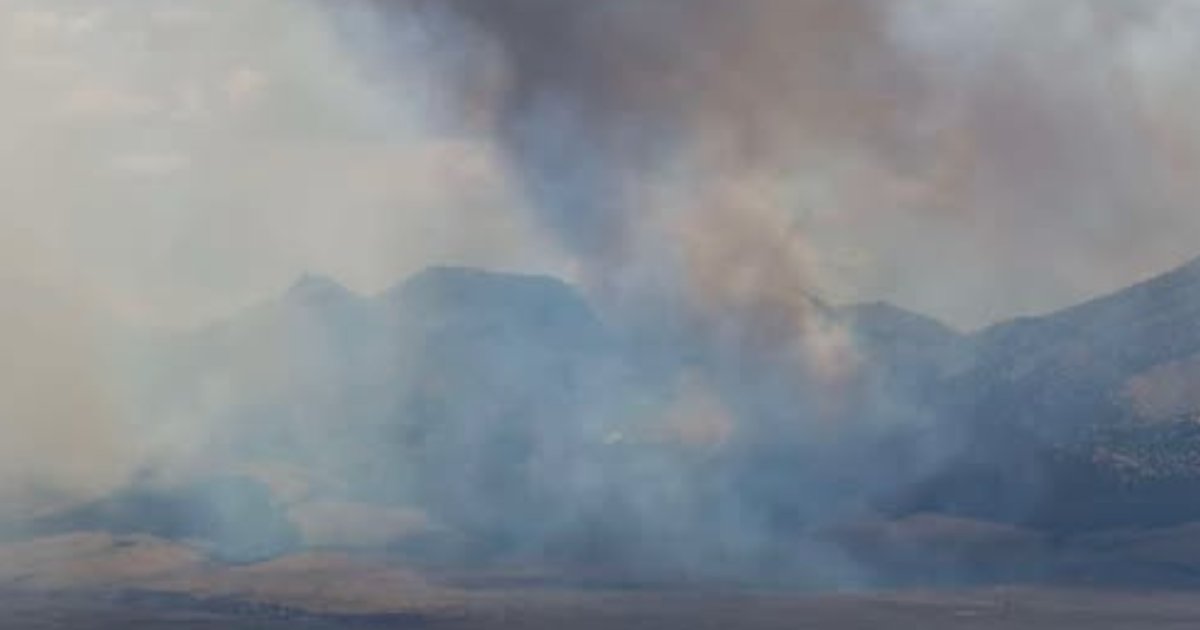
Environmental factors such as wild land fire risks, geological hazards, and weather-related road damage are noted as important considerations. The document also highlighted the agricultural nature of the area, noting that residents may experience smells or sounds associated with farming, such as hay baling at night or manure odors.
Advice for Prospective Residents
The town encouraged prospective residents to conduct thorough research before committing to a rural lifestyle. The Code of the West was provided for informational purposes to help individuals understand the limitations and benefits of the community.