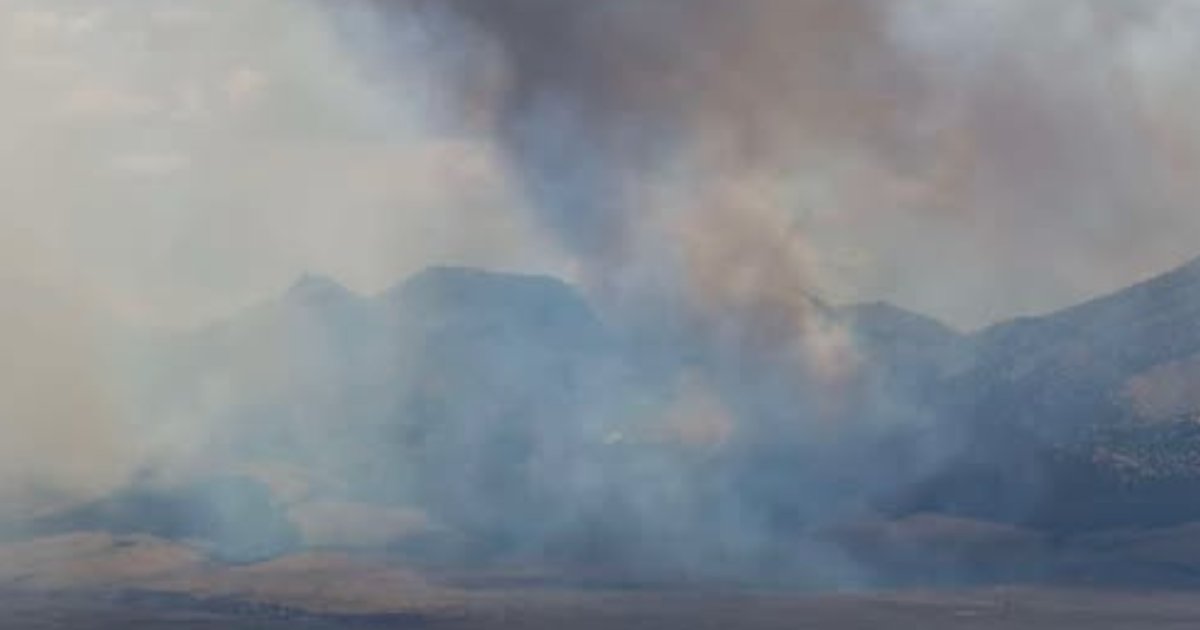
With summer approaching and wildfire risks increasing, state fire officials have announced that Utah's closed fire season officially began on June 1 and is scheduled to run through October 31.
Millard County Fire Warden Copeland Anderson stated that the community must do its part to prevent catastrophic wildfires. He noted that while the goal is to allow the agriculture community to clear ditches safely, residents must follow proper procedures such as applying for permits, monitoring weather, and notifying dispatch.
Burn rules during the closed season depend on a resident's location and the material being burned. Residents are advised to consult the FFSL Burn Permit Matrix for specific legal permissions.
In unincorporated county areas, residents may burn residential yard waste, debris, and agricultural materials provided they first obtain a burn permit from the local Fire Warden or County Sheriff.
Within incorporated city limits, burning is governed by local city ordinances and Department of Air Quality rules. While certain conditions allow for the open burning of residential clippings, bushes, and plants, permission must be obtained from the local fire jurisdiction before conducting yard clean-up burns.
State law provides three specific agricultural exceptions where a permit is not required. These include burning within 10 feet of fence lines on cultivated lands, canals, or irrigation ditches. However, even in these cases, residents are legally required to notify their local non-emergency dispatch line before starting.
Certain materials are strictly prohibited from being burned anywhere in Utah regardless of the season or permit status. This includes trash, oil, tires, and vegetation on protected lands.
Fire officials have outlined several safety protocols for permitted burns. Residents must obtain a proper permit and notify their local 911 dispatch non-emergency line before starting, as failure to notify dispatch is a Class C Misdemeanor.
Safety guidelines include checking weather forecasts for gusty winds, creating buffers between fires and vegetation, maintaining a water supply, and never leaving a fire unattended. Leaving a fire before it is completely cold or leaving it unattended are both considered Class C Misdemeanors. Additionally, individuals are legally liable for costs if a fire escapes control.
Burn permits can be applied for online via a smartphone. Residents can check for active wildfire incidents at UtahFireInfo.gov and find more information on the Fire Sense campaign at UtahFireSense.org.