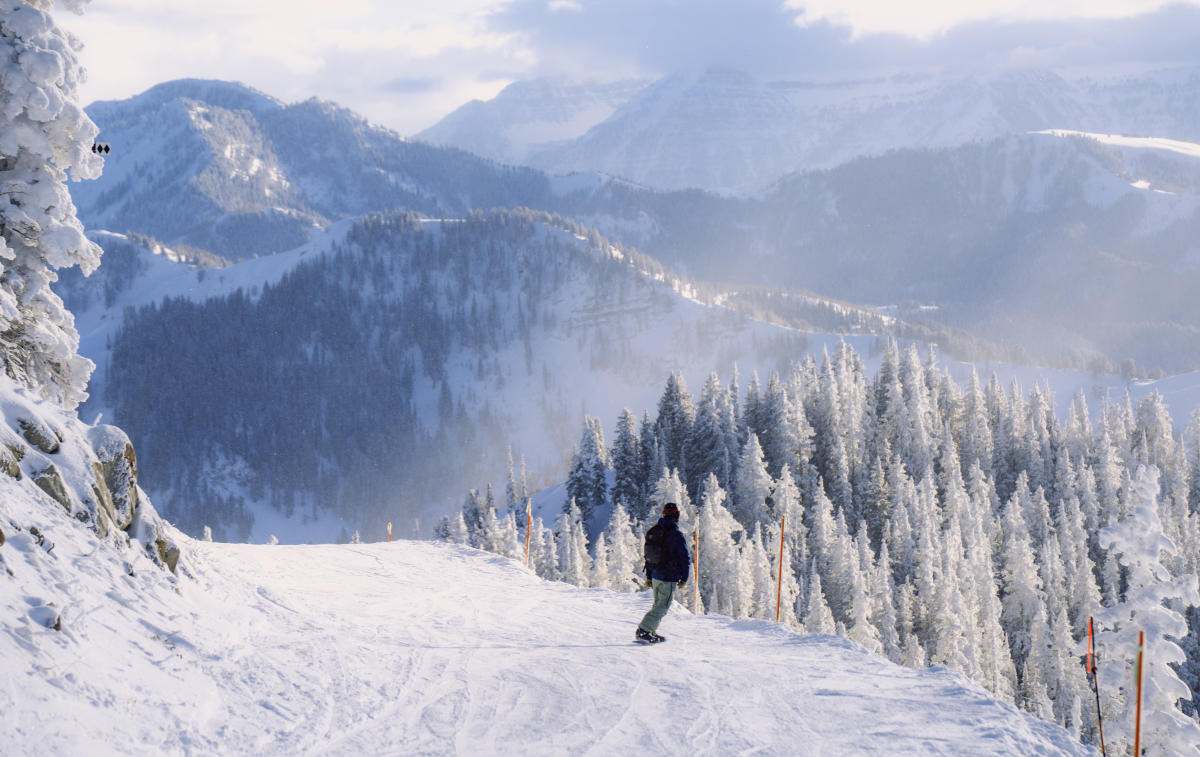
Major Utah ski resorts including Alta Ski Area and Park City Mountain have announced delays to their scheduled season openings despite forecasts predicting up to four feet of snow for the mountains this week. The postponements come as the state's winter recreation industry continues to drive significant economic growth, fueled by record-breaking visitor numbers and massive annual expenditures.
Resort Openings Delayed
According to The Salt Lake Tribune, both Alta Ski Area and Park City Mountain announced this week that they would not open this Friday as originally targeted. While forecasts predict heavy snowfall between Tuesday and Saturday, the resorts are prioritizing preparation and safety over immediate operation. Park City Mountain stated it would push back its season opener but did not provide a specific new date for the opening.
Alta Ski Area has announced that skiers and snowboarders will have to wait until Nov. 25 to enjoy the season. Alta spokesperson Lexi Dowdall said the delay at the top of Little Cottonwood Canyon was intended to provide the resort more time to groom the terrain and fill in snow. Additionally, a statement from the resort noted the necessity of time to perform required avalanche mitigation.
Despite the delays, the forecast remains highly favorable for the region. Open Snow predicts that Alta could break the 4-foot mark, with 50 inches of snow forecast for the week, including an estimated 19 inches arriving on Friday. Park City Mountain is also expected to receive significant accumulation, with Open Snow predicting nearly half of the week's expected snowfall could land on Friday, potentially totaling 14 inches at that location.
Other resorts in the region have different opening timelines. Brian Head Resort near Cedar City became the first Utah ski and snowboard area to open this season, doing so on Tuesday amidst snow flurries. The resort reaped 13 inches from a recent weekend storm and was expected to receive another 9 inches on Tuesday, according to Open Snow, though it is not expected to receive the same volume of snow as northern resorts.
Snowbird and Snowbasin Resort have both set Nov. 27 as their targeted opening day. Meanwhile, Solitude Mountain Resort in Big Cottonwood Canyon had also targeted Friday for its opener, though the resort has not made any announcements regarding a delay.
The timing of these openings follows a period of record-breaking activity for the Utah ski industry. The 2022-2023 ski season was noted for its massive impact, with Alta Ski Area receiving 903 inches of snow, setting the state's all-time record. During the 2022-2023 season, Utah saw a record-breaking 7.1 million skier visits.
The economic influence of the ski industry on Utah is vast. During the 2021-2022 winter season, Utah ski and snowboard visitors spent a record $2.35 billion in the state's economy. This industry has seen exponential growth, with the Utah Office of Tourism reporting that the ski industry generated over $800 million more during the 2021-2022 winter season than the previous one.
This economic impact is driven largely by out-of-state visitors, who spend nearly four times as much as local skiers. The industry's reach extends to various sectors, including lift tickets, accommodations, equipment rentals, dining, and car rentals. Beyond the resorts, ski towns such as Park City and Sundance experience a surge in economic activity during winter months, benefiting hotels, restaurants, and local shops.
The ski industry is a major employer in the state, contributing over 19,000 jobs according to the Gardner Policy Institute. These roles range from ski instructors and lift operators to hospitality staff and retail workers.
The industry also impacts the real estate market. The demand for living near world-class resorts has driven up property values and stimulated the construction and real estate sectors in ski-centric areas. To manage the growing demand and infrastructure needs, the state has considered new methods of improving transportation, such as proposals for a new mode of transportation up Little Cottonwood Canyon to alleviate congestion.
While the current season's snow totals are still being determined, the infrastructure and economic foundations of Utah's winter recreation remain a central pillar of the state's prosperity. The ability of resorts to manage heavy snowfalls while ensuring safety through avalanche mitigation remains a critical component of their seasonal operations.