Telehealth Webinar Series:
Pediatric Behavioral Health
Emergencies in the Field
Presented by:
Jeremiah D. Simmons, PhD
Christoph Isbjorn, DO
October 21, 2026
Presenters

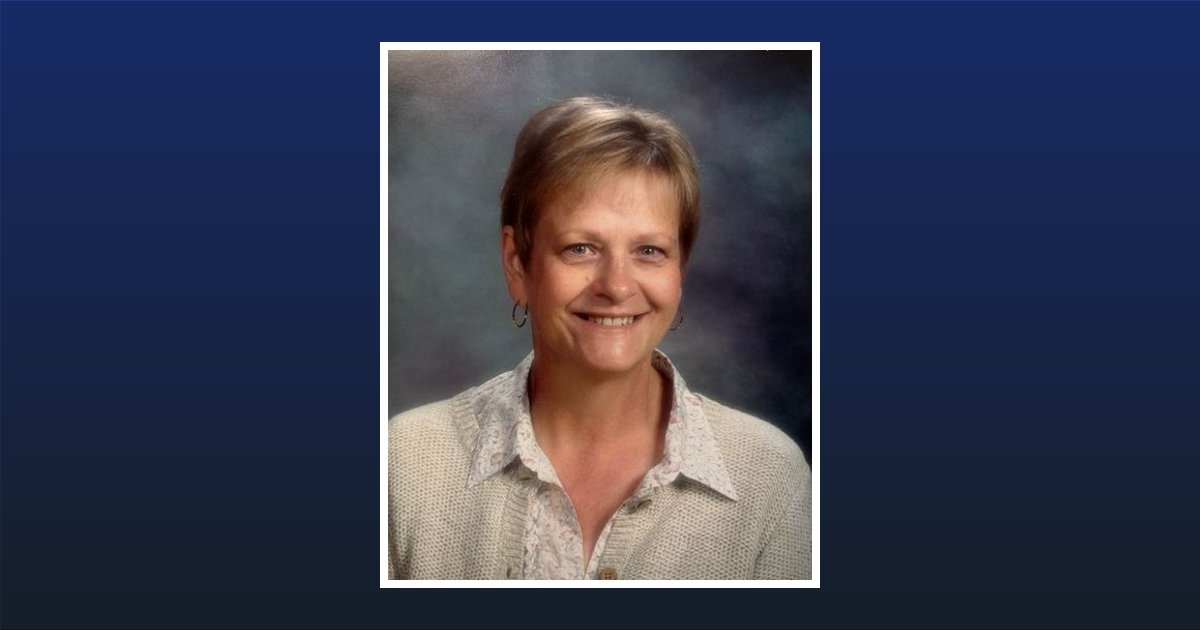
Jeremiah D. Simmons, PhD
Jeremiah D. Simmons, PhD, (Navajo/Yankton Sioux), is a licensed
clinical psychologist and Assistant Professor in the Division of Community
Behavioral Health, within the Department of Psychiatry and Behavioral
Sciences, at the University of New Mexico Health Sciences Center. Dr.
Simmons’ clinical, teaching, and research efforts focus on improving
behavioral health outcomes for Native American communities, with an
emphasis on youth and school-based mental health systems. Dr.
Simmons specializes in culturally responsive adaptations of evidence-
based practices, integrating community-based participatory approaches
to enhance engagement, access, and effectiveness of care. His work
spans direct clinical service delivery in tribal communities, supervision
and training of interdisciplinary behavioral health providers, and the
development of community-informed prevention and intervention models.
He has contributed to state and federal initiatives focused on suicide
prevention, systems of care development, and behavioral health
workforce capacity building. His long-term goal is to advance culturally
grounded behavioral health systems that reduce disparities and promote
resilience among American Indian and Alaska Native populations.
EMS
Content Matter
Contributor

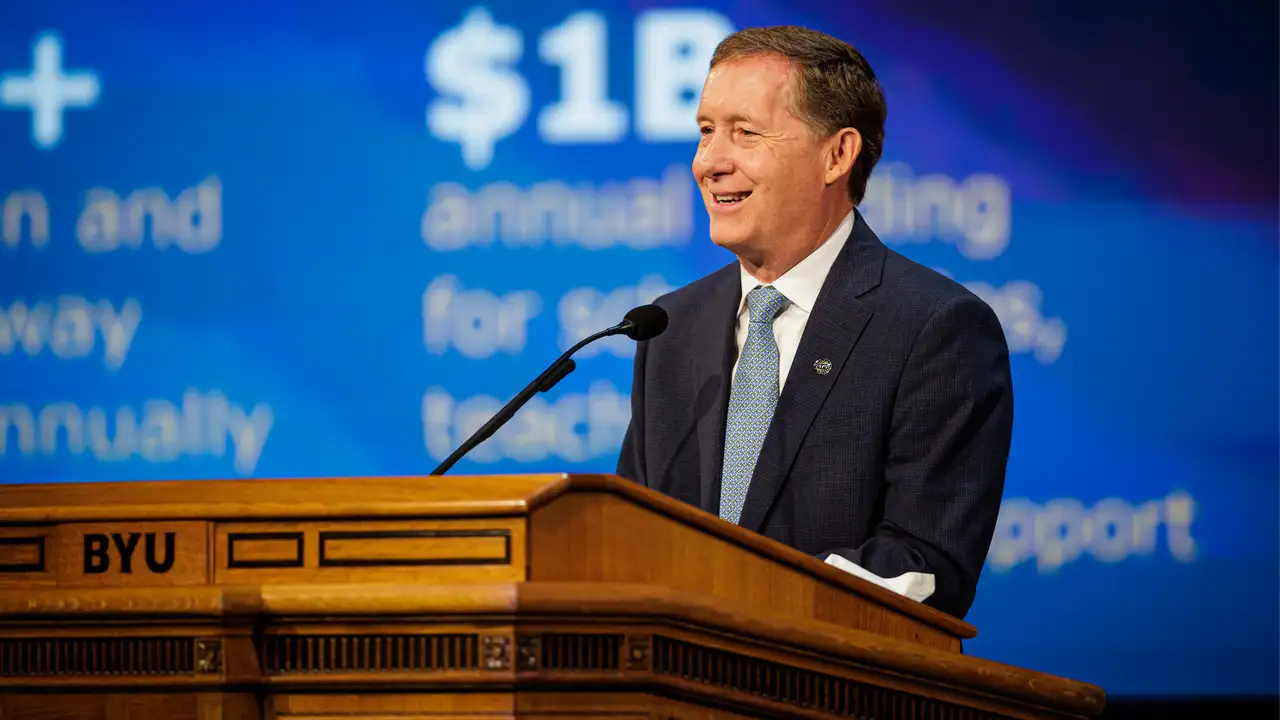
Christoph Isbjorn, DO, MPH
Dr. Christoph Isbjorn brings a multidisciplinary background in
emergency medicine, public health, psychiatry, and nonprofit
leadership. He spent 10 years as an EMT, including 911 ALS
ambulance service in Denver and several years in Iraq. He earned
his MPH from St. George’s University and his DO from Rocky Vista
University. He founded Vital Start, creating healthcare pathways for
at-risk youth, and served as CEO of House Lucky Bear, supporting
migrant women. He is currently completing his psychiatry residency,
with interests in trauma prevention and recovery, Child and
Adolescent Psychiatry, justice-involved youth, and interpersonal
relationships following traumatic experiences.
Training
Purpose
&
Learning
Objectives
Purpose of Session:
Review common pediatric behavioral health presentations in
prehospital care and practical approaches to assessment, risk
stratification, and scene safety. Examine age-appropriate
communication, trauma-informed de-escalation, transport
decisions, and coordination with emergency departments and
behavioral health providers.
Learning Objectives:
1. Identify common pediatric behavioral health presentations
and associated risk indicators.
2. Apply age-appropriate, trauma-informed de-escalation and
communication techniques.
3. Determine transport considerations and interagency
coordination strategies.
Disclosure Statement
Disclosure Statement: As a jointly accredited provider of continuing education, the IHS
Clinical Support Center must ensure balance, independence, objectivity, and scientific
rigor in its educational activities. Course directors/coordinators, planning committee
members, faculty, reviewers and all others who are in a position to control the content of
this educational activity are required to disclose the existence of all financial
relationships with ineligible companies within the prior 24 months. Safeguards against
commercial bias have been put in place. Faculty will also disclose any off-label and/or
investigational use of pharmaceuticals or instruments discussed in their presentation. All
those who are in a position to control the content of this educational activity have
completed the disclosure process and have indicated that they do not have any relevant
financial relationships or affiliations with any manufacturers or commercial products to
disclose.
There is no commercial interest support for this educational activity.
Disclaimer
The views expressed in this presentation are those of the speaker and do not
necessarily represent the views, policies, and positions of the Indian Health Service
(IHS), or the U.S. Department of Health and Human Services (HHS).
Scope & Shared
Roles
• Field priorities are safety, medical stability, calm engagement,
focused risk assessment, and a clear handoff.
• Behavioral health responders contribute communication,
suicide risk formulation, coping support, and culturally
responsive coordination.
• EMS clinicians contribute medical assessment, physiologic
monitoring, treatment within protocol, and destination decisions.
• CHAs, CPSWs, BHAs, school responders, and tribal providers
work within local scope, policy, supervision, and law.
Pediatric
Behavioral
Health in EMS
• Behavioral health concerns accounted for 11.3% of 2.74 million
pediatric EMS encounters in a national 2019 to 2020 analysis.
• Most patients were adolescents, but younger children and youth
with developmental or communication disabilities need adapted
approaches.
• Sedating medication and physical restraint were uncommon,
which supports early use of environmental and verbal
strategies.
• Field presentations may reflect psychiatric illness, substance
effects, medical illness, trauma, developmental needs, or
several factors at once.
(Wnorowska et al., 2024; Boland et al., 2023)
Case 1
NSSI in School-
Based Setting
• Composite case: A 15-year-old is found in a school restroom
with several superficial forearm cuts.
• Bleeding is controlled. The student says, "I was trying to calm
down. I did not want to die."
• A breakup, online conflict, and poor sleep occurred this week.
The student used cannabis last night.
• A counselor is present. A caregiver is 35 minutes away. The
nearest pediatric emergency department is 70 miles away.
• Discussion: What must be assessed before deciding whether
and where to transport?
NSSI & Suicidal
Behavior
• Nonsuicidal self-injury, or NSSI, is intentional damage to body
tissue without intent to die.
• A suicide attempt includes at least some intent to die, even
when the injury appears medically minor.
• Intent may be mixed, uncertain, or change quickly. Ask about
the purpose of the act and what the youth expected would
happen.
• NSSI is non-suicidal by definition, but repeated NSSI is
associated with later suicidal behavior. Assess both every time.
(Grandclerc et al., 2016; Valencia-Agudo et al., 2018)
Functions of
NSSI
• Emotion regulation is the most commonly reported
function, including relief from intense distress or
numbness.
• Other functions include self-punishment, interrupting
dissociation, communicating distress, or changing an
interpersonal situation.
• The same youth may report several functions, and the
function may change across episodes.
• Ask with curiosity: "What did the injury do for you in that
moment?" Avoid labels such as attention-seeking.
(Taylor et al., 2018)
Direct Suicide
Questions
• Ask plainly about a wish to die, suicidal thoughts, a plan, current
intent, past attempts, and access to the proposed method.
• Whenever feasible, speak with the youth privately, then obtain
caregiver or collateral information.
• Asking about suicide does not increase suicidal thoughts or self-
harm in available meta-analytic evidence.
• The four-item ASQ has high sensitivity in pediatric emergency
settings, but a positive screen requires further assessment.
(Horowitz et al., 2012; Polihronis et al., 2022; NIMH, n.d.)
Field Risk
Formulation
• Current state: suicidal intent, plan, agitation, psychosis,
intoxication, severe hopelessness, or inability to collaborate
with safety.
• History: prior attempts, recent NSSI, psychiatric care,
substance use, violence, trauma exposure, and recent loss or
humiliation.
• Environment: supervision, access to firearms or medications,
caregiver capacity, distance, weather, and reliable follow-up.
• Protection: trusted adults, cultural and family connections,
reasons for living, willingness to accept help, and an actionable
care pathway.
• A checklist supports judgment. No single item determines risk
or disposition.
Age-appropriate
Communication
• Begin with name, role, and what will happen next. Use one
calm speaker whenever possible.
• Use short sentences and one question at a time. Match
language to developmental and communication needs.
• Offer limited choices that preserve safety, such as where to sit
or which supportive adult remains nearby.
• Validate the emotion without agreeing with unsafe behavior or
a delusional belief.
• Tell the youth what information must be shared for safety and
who will receive it.
(Gerson et al., 2019; Saidinejad et al., 2024)
De-escalation
Sequence
• Reduce noise, crowding, lights, and visible equipment when
clinically safe.
• Create physical space, maintain an exit route, and remove
bystanders who increase distress.
• Identify triggers, pain, hunger, sensory needs, communication
barriers, and preferred calming strategies.
• Use respectful repetition, concrete choices, and time. Avoid
arguing, sudden touch, threats, or rapid commands.
• Escalate to medication or restraint only when less restrictive
measures cannot maintain safety.
(Gerson et al., 2019; Foster et al., 2024)
Brief Coping
Skills
• Paced or box breathing: invite a slow, comfortable rhythm.
Stop if breath holding increases panic, dizziness, or distress.
• 5-4-3-2-1 grounding: identify five things seen, four felt, three
heard, two smelled, and one tasted or appreciated.
• Use sensory grounding only with consent and adapt it for
disability, trauma history, culture, and the environment.
• These skills may lower arousal. They do not replace suicide
assessment, medical evaluation, or transport when indicated.
• DBT for adolescents reduces self-harm and suicidal ideation,
although evidence for a single field skill is limited.
(Kothgassner et al., 2021)
Case 1
Next Steps
• Treat the wound and assess for other injuries, ingestion,
intoxication, or medical instability.
- Call Poison Control if known ingestion
- 1-800-222-1222
• Ask directly about suicide, prior attempts, NSSI pattern, access
to means, current intent, and ability to stay safe.
• Obtain collateral information and identify the adult who can
assume continuous supervision.
• Follow local protocol for transport or urgent evaluation. NSSI
alone does not establish either transport or non-transport.
• Provide a concise handoff that separates reported intent,
observed behavior, medical findings, and responder judgment.
Case 2
Cannabis and
Psychosis
• Composite case: A 16-year-old becomes frightened and paranoid
after repeated high-potency cannabis vaping.
• The youth has slept about three hours across two nights and says
people outside are monitoring the home.
• A caregiver reports recent trauma and an uncle with
schizophrenia. The youth is pacing and refuses transport.
• Discussion: Which findings suggest intoxication, delirium, mania,
trauma, or a first psychotic episode?
• What would make this encounter medically or behaviorally unsafe
to manage in place?
Cannabis and
Psychosis
Evidence
• Adolescent cannabis use was associated with later psychosis
in a meta-analysis of 18 studies, with pooled relative risk 1.71.
• Heavier use shows a dose-response relationship. The
heaviest-use group had about four times the odds of psychotic
outcomes compared with non-users.
• Cannabis-associated psychosis can resolve, but a meta-
analysis found substantial later transition to schizophrenia after
cannabis-induced psychosis.
• Association does not mean certainty. Most youth who use
cannabis do not develop psychosis.
(Kiburi et al., 2021; Marconi et al., 2016; Murrie et al., 2020)
Psychosis Risk
Modifiers
• Higher concern: younger onset of use, frequent use, high-
potency products, and use of several substances.
• Childhood trauma and recent adversity may add vulnerability,
but they do not determine diagnosis.
• Family history of schizophrenia-spectrum or bipolar disorder
increases concern and should prompt careful follow-up.
• Clarify abbreviations. Bipolar disorder and borderline
personality disorder are not interchangeable when a family
reports "BPD."
• Avoid causal certainty. Assess the whole pattern, including
sleep, mood, functioning, medical findings, and time course.
(Kiburi et al., 2021; Varese et al., 2012; Kendler et al., 2024)
Field Response
to Psychosis
• Reduce stimulation and use one primary communicator. Ask
permission before moving closer or touching.
• Do not argue about hallucinations or delusions. Acknowledge
the fear and focus on immediate safety.
• Use concrete language, extra processing time, and simple
choices. Avoid rapid questioning.
• Ask about content of hallucinations, screen for commands,
suicidal or violent thoughts, access to weapons, and the ability
to resist unsafe commands.
• Treat first-episode psychosis, severe functional change, or
inability to care for basic needs as requiring urgent evaluation.
(Gerson et al., 2019; Saidinejad et al., 2024)
Medical and
Toxicologic
Assessment
- Complete primary and secondary surveys. Be sure to assess
vitals, pupil size and reaction to light, blood glucose, orientation,
and the 3F's that effect the brain: Force (Trauma), Flow
(Cardiovascular), Fuel (Oxygen/Glucose)
- Look for fluctuating attention, abnormal vital signs, fever,
hypoxia, seizure, head trauma, severe headache, rigidity, or
focal findings.
- Ask what was used, how much, when, by which route, and
whether products could contain other substances.
- Consider intoxication, withdrawal, medication effects, endocrine
or metabolic illness, infection, neurologic illness, and delirium.
- Assessment and de-escalation occur together. Do not assume
a psychiatric cause before medical threats are addressed.
(Gottlieb et al., 2018; Gerson et al., 2019)
Transport and
Destination
• Urgent transport is indicated for medical instability, significant
injury or ingestion, current suicidal intent, severe agitation, first-
episode psychosis, or inability to maintain safety.
• Caregiver availability, means restriction, distance, weather, and
reliable follow-up affect the safety of any non-transport pathway.
• Use a pediatric-capable emergency department, if available,
when medical evaluation is needed or eligibility for a psychiatric
destination is uncertain. However, a non-pediatric specific
emergency room is an appropriate alternative if required.
• Direct psychiatric transport can be safe when an approved
protocol defines eligibility, exclusions, and re-transport
procedures.
• Use local policy, medical control, and applicable tribal, state,
and federal requirements.
(Glomb et al., 2023; NIMH, n.d.)
Medication and
Restraint
Guardrails
• Use medication only for a clinical indication and according to
age, weight, likely cause, local protocol, and medical direction.
oWhat agitation medications are you using?
oParadoxical reactions (1%-2%) = Stop the drug
• Offer oral first vs. IM. Aim for calm and safe assessment, not
punishment or unnecessary deep sedation.
• Physical restraint is a last resort. Use the least restrictive
method for the shortest possible time.
• Never transport prone or use a position that compromises the
airway, ventilation, circulation, head, or neck.
• Any medication or restraint requires continuous observation,
physiologic monitoring, frequent reassessment, and detailed
documentation.
(Kupas et al., 2021; Gerson et al., 2019)
Tribal and
Reservation
Contexts
• Tribal Nations and communities are distinct. Ask what local
practices, roles, language, and supports the youth and family
want involved.
• Honor tribal sovereignty and local response pathways.
Coordinate with tribal programs rather than assuming an
outside pathway fits.
• Historical and ongoing harms can shape trust. Explain each
action, request consent when possible, and avoid unnecessary
law-enforcement presence.
• Protect privacy in small communities. Share only what is
necessary for safety and continuity within applicable policy and
law.
• Offer traditional or cultural supports when requested and
available. Do not assume that every family wants the same
supports.
(Gone & Trimble, 2012; Allen et al., 2022; Grande et al., 2022)
Strengths and
Protective
Factors
• Family, peer, school, community, and cultural connectedness are
documented protective domains for many AI/AN youth.
• Cultural identity and continuity can support resilience when they
are defined and led by the community.
• Ask, "Who helps you remember who you are and what matters to
you?"
• Activate strengths in the immediate plan: a named adult, a safe
place, transportation, follow-up, and culturally meaningful support.
• The intervention evidence remains limited, but culture-centered
community engagement is a consistent feature of promising
programs.
(Henson et al., 2017; Allen et al., 2022; Grande et al., 2022)
Rural and
Frontier
Operations
• Long distance, weather, limited staffing, and lack of pediatric
behavioral health destinations change the risk of every plan.
• IHS and tribal EMS agencies report pediatric training and
medical-direction gaps similar to other rural systems.
• Rural EMS behavioral encounters can require more time
where child psychiatry and hospital resources are limited.
• Plan before the call: eligibility criteria, receiving contacts,
teleconsultation, backup transport, and who owns follow-up.
• A warm handoff may include EMS, the receiving facility,
caregiver, school or CPSW, and a tribal or community crisis
contact.
(Genovesi et al., 2014; Fishe & Lynch, 2019)
Interagency
Coordination
• Identify one operational lead and one primary communicator
for the youth.
• State what each agency needs to know, what each can do,
and who has authority for medical and safety decisions.
• Confirm the destination before departure when feasible,
especially during long-distance transport. Attempt to contact
family to inform where the child will go.
• Use closed-loop communication for supervision, belongings,
medications, caregiver travel, and follow-up.
• Avoid parallel plans that leave the youth or family repeating
the same story to several teams.
Structured
Handoff
- ID statement: age/sex, past medical hx, past psych hx, current
meds, medication allergies, substance use hx, and reason for
transport or consultation.
- Subjective of current situation: Why was 911 called and by who?
was this an attempted suicide/violence/NSSI, any
hallucinations/delusions, recent stressors/intoxication, trauma?
- Objective: Vital signs, physical assessment, Mental Status Exam
- Assessment/Plan: Primary diagnoses, interventions/response,
transport plan?
o Parents/guardians aware and how to contact?
Integrated
Reservation
Case
• Composite case: A 14-year-old at home reports cutting, hears
a threatening voice, and used an unknown THC concentrate.
• The youth is calm now, denies wanting to die, and asks to
speak with an aunt and a traditional helper.
• The caregiver reports a firearm in the home. The nearest
pediatric-capable emergency department is 95 minutes away.
• Decision points: intoxication, medical threats, suicide and
violence risk, means safety, preferred supports, transport,
destination, and handoff.
• A calm moment creates an assessment opportunity. It does
not erase the earlier risk picture.
Documentation
that Supports
Care
• Use the youth's own words for suicidal intent, NSSI function,
hallucinations, threats, and requests for help.
• Separate observed behavior from interpretation. Describe
actions, speech, orientation, attention, and change over time.
• Record collateral sources, access to means, supervision
capacity, and barriers created by distance or weather.
• Document alternatives attempted before medication or
restraint, plus monitoring and reassessment afterward.
• Record consultation, receiving acceptance, caregiver
communication, and the exact transfer of responsibility.
Field Response
Algorithm
• BSI Scene Safety: Weapons contained? Safe
environment? Patient showing aggression? Gloves at a minimum.
• Medical stability: ABCs, vital signs, glucose when available,
injury, ingestion, and delirium red flags.
• Calm engagement: reduce stimulation, one speaker, caregiver
input, developmentally matched language, and real choices.
• Focused risk assessment: suicide, NSSI function, psychosis,
violence, substance use, prior history, means, and current
supports.
• Disposition: apply local protocol, medical control, caregiver
capacity, distance, destination capability, and cultural
preferences.
• Handoff and continuity: objective documentation, closed-loop
transfer, with parent/guardian contact information
Key Takeaways
• NSSI is defined by absent suicidal intent, but it still requires
direct suicide assessment and thoughtful follow-up.
• Cannabis can precipitate acute psychotic symptoms and is
associated with later psychosis, especially with earlier and
heavier use.
• Calm, developmentally appropriate communication and
environmental modification are first-line responses to agitation.
• Medical causes, intoxication, and delirium remain part of the
differential throughout the encounter.
• Culturally responsive care respects tribal sovereignty, local
pathways, family and community strengths, and the youth's
preferences.
Questions and
Discussion
Thank you for the work you
do with youth, families, and
communities.
References
• Boland, L. L., Anderson, M. K., Powell, J. R., Patock, M. T., & Panchal, A. R. (2023).
EMS responses for pediatric behavioral health emergencies in the United States.
Prehospital and Disaster Medicine, 38(6), 784-791.
doi:10.1017/S1049023X2300657X
• Fishe, J. N., & Lynch, S. (2019). Pediatric behavioral health-related EMS encounters:
A statewide analysis. Prehospital Emergency Care, 23(5), 654-662.
doi:10.1080/10903127.2019.1566423
• Wnorowska, J. H., Naik, V., Ramgopal, S., Watkins, K., & Hoffmann, J. A. (2024).
Characteristics of pediatric behavioral health emergencies in the prehospital setting.
Academic Emergency Medicine, 31(2), 129-139. doi:10.1111/acem.14833
• Glomb, N. W., Trivedi, T., Grupp-Phelan, J., Schriger, D. L., & Sporer, K. (2023).
Safety of a prehospital EMS protocol for an alternative destination for pediatric
behavioral emergencies. JACEP Open, 4, e12930. doi:10.1002/emp2.12930
• Genovesi, A. L., Hastings, B., Edgerton, E. A., & Olson, L. M. (2014). Pediatric
emergency care capabilities of IHS EMS agencies in rural and frontier areas. Rural
and Remote Health, 14(2), 2688. doi:10.22605/RRH2688
• Gerson, R., Malas, N., Feuer, V., Silver, G. H., Prasad, R., & Mroczkowski, M. M.
(2019). Best practices for evaluation and treatment of agitated children and
adolescents in the emergency department. Western Journal of Emergency Medicine,
20(2), 409-418. doi:10.5811/westjem.2019.1.41344
References
• Saidinejad, M., Foster, A. A., Santillanes, G., et al. (2024). Strategies for optimal
management of pediatric acute agitation in emergency settings. JACEP Open, 5(4),
e13255. doi:10.1002/emp2.13255
• Foster, A. A., Saidinejad, M., & Li, J. (2024). Approach to acute agitation in the
pediatric emergency department. Current Opinion in Pediatrics, 36(3), 245-250.
doi:10.1097/MOP.0000000000001337
• Gottlieb, M., Long, B., & Koyfman, A. (2018). Approach to the agitated emergency
department patient. Journal of Emergency Medicine, 54(4), 447-457.
doi:10.1016/j.jemermed.2017.12.049
• Kupas, D. F., Wydro, G. C., Tan, D. K., Kamin, R., Harrell, A. J., IV, & Wang, A.
(2021). Clinical care and restraint of agitated or combative patients by EMS
practitioners. Prehospital Emergency Care, 25(5), 721-723.
doi:10.1080/10903127.2021.1917736
• Horowitz, L. M., Bridge, J. A., Teach, S. J., et al. (2012). Ask Suicide-Screening
Questions: A brief instrument for the pediatric emergency department. Archives of
Pediatrics & Adolescent Medicine, 166(12), 1170-1176.
doi:10.1001/archpediatrics.2012.1276
• National Institute of Mental Health. (n.d.). Youth ASQ Toolkit.
References
• Polihronis, C., Cloutier, P., Kaur, J., Skinner, R., & Cappelli, M. (2022). What's the
harm in asking? Archives of Suicide Research, 26(2), 325-347.
doi:10.1080/13811118.2020.1793857
• Grandclerc, S., De Labrouhe, D., Spodenkiewicz, M., Lachal, J., & Moro, M. R. (2016).
Relations between nonsuicidal self-injury and suicidal behavior in adolescence: A
systematic review. PLOS ONE, 11(4), e0153760. doi:10.1371/journal.pone.0153760
• Valencia-Agudo, F., Corbet Burcher, G., Ezpeleta, L., & Kramer, T. (2018).
Nonsuicidal self-injury in community adolescents: A systematic review of prospective
predictors. Journal of Adolescence, 65, 25-38. doi:10.1016/j.adolescence.2018.02.012
• Taylor, P. J., Jomar, K., Dhingra, K., Forrester, R., Shahmalak, U., & Dickson, J. M.
(2018). A meta-analysis of the prevalence of different functions of non-suicidal self-
injury. Journal of Affective Disorders, 227, 759-769. doi:10.1016/j.jad.2017.11.073
• Kothgassner, O. D., Goreis, A., Robinson, K., Huscsava, M. M., Schmahl, C., &
Plener, P. L. (2021). Efficacy of dialectical behavior therapy for adolescent self-harm
and suicidal ideation. Psychological Medicine, 51(7), 1057-1067.
doi:10.1017/S0033291721001355
• Kiburi, S. K., Molebatsi, K., Ntlantsana, V., & Lynskey, M. T. (2021). Cannabis use in
adolescence and risk of psychosis: A systematic review and meta-analysis. Substance
Abuse, 42(4), 527-542. doi:10.1080/08897077.2021.1876200
References
• Marconi, A., Di Forti, M., Lewis, C. M., Murray, R. M., & Vassos, E. (2016). Meta-
analysis of the association between the level of cannabis use and risk of psychosis.
Schizophrenia Bulletin, 42(5), 1262-1269. doi:10.1093/schbul/sbw003
• Murrie, B., Lappin, J., Large, M., & Sara, G. (2020). Transition of substance-induced,
brief, and atypical psychoses to schizophrenia. Schizophrenia Bulletin, 46(3), 505-516.
doi:10.1093/schbul/sbz102
• Varese, F., Smeets, F., Drukker, M., et al. (2012). Childhood adversities increase the
risk of psychosis: A meta-analysis. Schizophrenia Bulletin, 38(4), 661-671.
doi:10.1093/schbul/sbs050
• Kendler, K. S., Abrahamsson, L., Sundquist, J., & Sundquist, K. (2024). The nature of
the familial risk for psychosis in bipolar disorder. Schizophrenia Bulletin, 50(1), 157-
165. doi:10.1093/schbul/sbad097
• Henson, M., Sabo, S., Trujillo, A., & Teufel-Shone, N. (2017). Identifying protective
factors to promote health in American Indian and Alaska Native adolescents. Journal
of Primary Prevention, 38(1-2), 5-26. doi:10.1007/s10935-016-0455-2
• Allen, J., Wexler, L., & Rasmus, S. (2022). Protective factors as a unifying framework
for culturally responsive AI and AN suicide prevention. Prevention Science, 23(1), 59-
72. doi:10.1007/s11121-021-01265-0
References
• Grande, A. J., Elia, C., Peixoto, C., et al. (2022). Mental health interventions for suicide
prevention among Indigenous adolescents: A systematic review. Sao Paulo Medical
Journal, 140(3), 486-498. doi:10.1590/1516-3180.2021.0292.R1.22102021
• Gone, J. P., & Trimble, J. E. (2012). American Indian and Alaska Native mental health:
Diverse perspectives on enduring disparities. Annual Review of Clinical Psychology, 8,
131-160. doi:10.1146/annurev-clinpsy-032511-143127