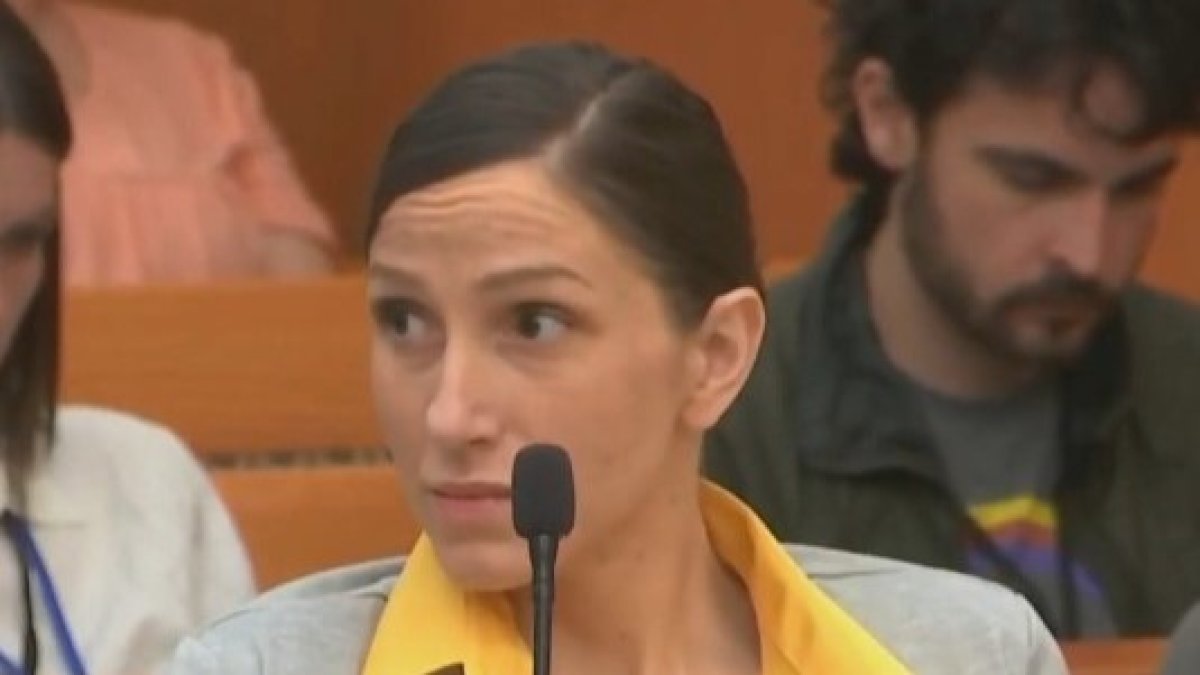
A Utah judge has rejected a request to disqualify the presiding judge in the Kouri Richins murder case, a decision that allows the original judge to rule on whether Richins is entitled to a new trial. In a resolution issued July 29, 2026, Judge Kara Pettit, the presiding judge of the Third District Court, concluded there was no evidence of partiality by Judge Richard Mrazik.
The ruling comes after Richins' defense team filed a motion on June 30, 2026, seeking a new trial and arguing that Judge Mrazik should not decide the matter. The defense claimed that Mrazik showed bias against Richins during both the trial and the sentencing phase. Specifically, attorneys for Richins alleged that Mrazik was "impatient, critical, hostile, disparaging, and condescending" toward the defense while appearing "friendly and helpful" to the prosecution.
Judge Mrazik, who presided over the trial and subsequently sentenced Richins to life in prison without the possibility of parole, referred the disqualification request to Judge Pettit. Mrazik stated that the allegations of bias created a conflict of interest for the court, noting that disqualification from ruling on the motion was necessary to ensure due process.
In her decision, Judge Pettit noted that the defense failed to meet several procedural requirements under Utah law. The motion to disqualify was not filed within the required 21-day time limit and lacked the necessary certification of good faith. Furthermore, Pettit stated that even if the procedural requirements had been met, the defense failed to provide sufficient facts to demonstrate the level of bias, prejudice, or conflict of interest required for disqualification.
Pettit's ruling emphasized that the evidence provided did not show "extreme behavior" or "deep-seated antagonism" toward the defense, nor did it prove favoritism toward the prosecution. The ruling clarified that even if Mrazik's conduct was interpreted as showing anger or frustration with defense counsel, such behavior does not constitute legal grounds for disqualification.
Richins, 35, was found guilty in March 2026 of aggravated murder following the 2022 death of her husband, Eric Richins. Prosecutors established that she poisoned him with a lethal dose of fentanyl. In addition to the murder conviction, Richins was convicted of attempted aggravated murder for a failed attempt to kill Eric weeks before his death, as well as counts of insurance fraud and forgery related to Eric's life insurance coverage.
The defense's motion for a new trial argued that the inclusion of evidence regarding Richins' financial crimes created "substantial undue prejudice" that prevented a fair trial. To support this argument, the defense cited the legal precedent of Richard Murdaugh's South Carolina murder conviction reversal, where the state's Supreme Court ruled that using financial crime evidence before focusing on the murder was prejudicial.
Upcoming Legal Proceedings
With the disqualification request denied, Judge Mrazik will continue to oversee the case and determine if Richins is entitled to a new trial. The decision arrives ahead of a scheduled hearing on July 31, 2026. During that hearing, prosecutors are expected to seek a ruling ordering Richins to pay approximately $1.4 million in restitution to two insurance companies that paid benefits to her following Eric Richins' death.