U.S. Forest Service Teams Begin Post-Fire Assessments on the Fishlake National Forest
BAER Teams Launch Post‑Fire Assessments to Identify Risks and Stabilization Needs
Release Date: July 14, 2026
Contact Information: Adam Solt adam.solt@usda.gov
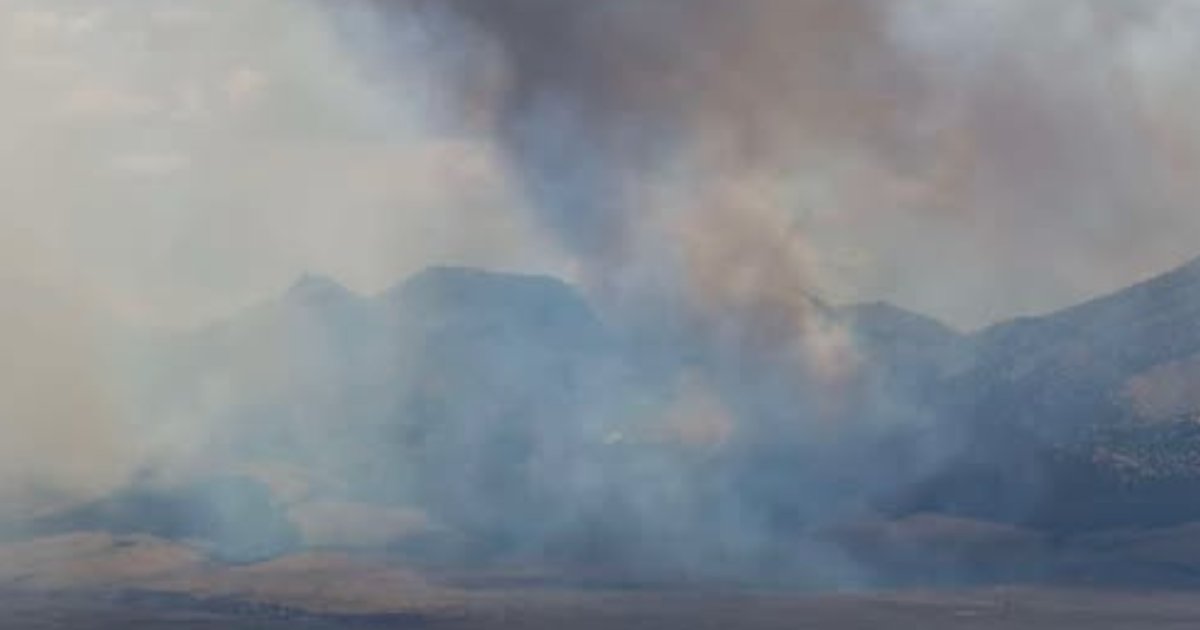
RICHFIELD, UT, July 14, 2026— U.S. Forest Service Burned Area Emergency Response (BAER) teams begin their soil burn evaluation of the Cottonwood and Wild Goose Fires and will use their findings to create soil burn severity reports. The reports will outline the extent of soil burn severity for the wildfires that began in June.BAER team assessments are rapid evaluations of post-fire conditions of the burned landscape, to determine the level of risk from potential flooding and debris flows to values on National Forest System lands (NFS). If unacceptable risks are found, the team recommends appropriate and effective emergency stabilization measures to reduce the risks to national forest lands and values. BAER emergency stabilization efforts are focused on the protection of human life and safety, property, and critical cultural and natural resources. The more severe a fire’s effects are on the soil, the more likely those soils will erode in subsequent rainstorms – especially in locations with steep slopes.BAER teams determine how much of a fire’s footprint is unburned, low, moderate or high soil burn severity (SBS). BAER teams coordinate with the Natural Resources Conservation Service (NRCS), National Weather Service (NWS), U.S. Geological Survey (USGS), Bureau of Land Management (BLM), and other federal, tribal, state, counties, and other local agencies as they assess potential post-fire impacts to the burned watersheds.The BAER teams will develop soil burn severity maps for the wildfires utilizing satellite imagery and specialist field- gathered data to analyze fire effects, produce erosion potential and debris-flow maps, and model post-fire flows. These are the first steps in assessing potential watershed impacts from wildfires to any federal values that may be at risk from potential increased flooding, sedimentation, debris flows, mudflows, and rockslides.The teams produce reports that describe potential threats associated with the burned area’s post-fire conditions and which include recommended emergency stabilization measures and actions. BAER emergency response efforts focus on the protection of human life, safety, and property, as well as critical cultural and natural resource values such as the water quality of streams and wetlands on federal lands. Each BAER team consists of scientists and specialists including hydrologists, soil scientists, road engineers, botanists, archaeologists, and geographic information specialists. The BAER teams collect field data during their burned area surveys to analyze through GIS and computer models to present their findings, along with recommended BAER emergency stabilization treatments, in a BAER assessment report.BAER reports are shared with interagency cooperators such as the Interagency Utah Post Wildfire Team, NRCS, and the affected counties who work with downstream private homeowners and landowners to prepare for potential post-fire flooding and debris flow impacts. BAER teams coordinate with the local Forest Service units during the assessment of the burned area to ensure post-fire threats are identified for NFS critical values that could be at risk.