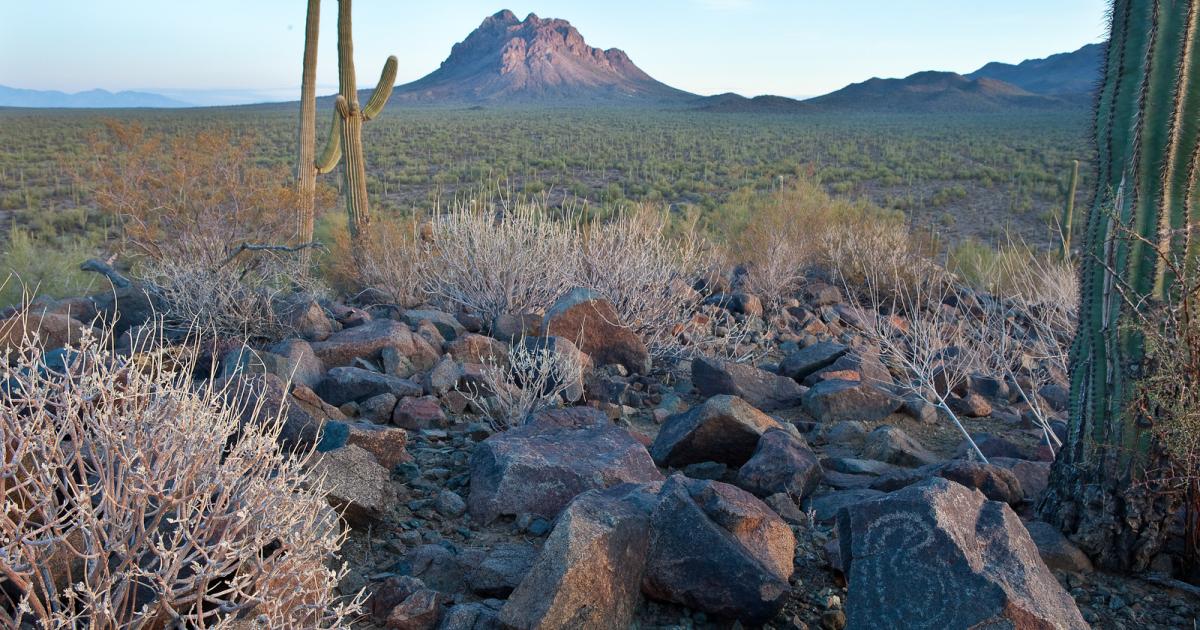
The Antiquities Act has entered its 120th year of protecting diverse American landscapes, ranging from the shores of Acadia to the peaks of Olympic National Park. Originally passed by Congress in 1906, the law empowers U.S. presidents to establish or expand national monuments to preserve lands of natural, cultural, or historical significance.
Since its enactment, 18 presidents—evenly split between Democrats and Republicans—have used the Act to establish or expand more than 160 national monuments. These areas protect various resources, including historical sites like petroglyphs and cliff dwellings, forested watersheds, fossil beds, and migratory corridors for wildlife.
Before the Act was passed, the Southwest experienced a surge in the looting and vandalism of cultural and burial sites. In response to this, the 1906 law became the first in the United States to protect cultural and natural heritage. President Theodore Roosevelt was the first to utilize the Act, designating Devils Tower in Wyoming as the first national monument.
President Roosevelt also used the Act in 1908 to protect 800,000 acres in Arizona when he designated the Grand Canyon National Monument. This designation faced a legal challenge regarding the size of the monument, but the Supreme Court ruled that protecting the Grand Canyon as an object of unusual scientific interest was warranted. In 2023, the Grand Canyon park saw 4.7 million visitors, contributing $1 billion to the Arizona economy.
The management of national monuments has evolved to include tribal leadership. In 2016, President Obama designated Bears Ears National Monument in southeast Utah. This designation involved the Bears Ears Inter-Tribal Coalition, an alliance including the Hopi Tribe, Navajo Nation, Ute Mountain Ute Tribe, Zuni Tribe, and Ute Indian Tribe. This group formed a Commission as part of a co-management structure intended to honor Tribal sovereignty and incorporate Traditional Indigenous Knowledge.
However, the use and scope of the Act remain subjects of political debate. In 2017, portions of Bears Ears and Grand Staircase-Escalante national monuments in Utah were reduced by the Trump administration, leading to legal battles regarding presidential authority. Currently, Senator Mike Lee and Representative Celeste Maloy are attempting to use the Congressional Review Act to target the land use plan for Grand Staircase-Escalante National Monument, which governs the management of nearly 1.9 million acres of public lands.
The legacy of the Antiquities Act continues to influence conservation efforts and land management strategies across the United States. The law remains a central tool for preserving the nation's most remarkable landscapes and ensuring public and scientific access to them.