The Bureau of Land Management is managing a nationwide population of 85,466 wild horses and burros as of March 1, 2026, as the agency works to maintain ecological balance on public lands. Under the Wild Free-Roaming Horses and Burros Act of 1971, the Bureau is authorized to remove excess animals that exceed established Appropriate Management Levels to protect the health of the range.
Population Growth and Management Mandates
Population Growth and Management Mandates
According to data from the Bureau of Land Management, the nationwide population of wild horses and burros reached 85,466 on March 1, 2026. This represents a significant increase from the March 1, 2025, estimate of 73,130 animals. To manage these growing numbers, the Bureau utilizes the Appropriate Management Level (AML), which defines the number of animals that can thrive in balance with other public land resources and uses.
When populations exceed the AML, the Bureau is authorized by federal law to remove the excess animals. In fiscal year 2025, the Bureau removed 7,853 animals from the range. These removals are part of a broader mandate to ensure that wild horses and burros do not disrupt the thriving natural ecological balance of the public lands they inhabit.
The 1971 Federal Mandate
The 1971 Federal Mandate
The management of these animals is governed by the Wild Free-Roaming Horses and Burros Act, passed by Congress in 1971. The law declares wild free-roaming horses and burros to be living symbols of the historic and pioneer spirit of the West. It stipulates that the Bureau of Land Management and the U.S. Forest Service must protect these animals from capture, branding, harassment, or death, treating them as an integral part of the natural system of public lands.
Because wild horses and burros have virtually no natural predators, their herd sizes can double approximately every four years. To address this biological reality, the Bureau manages herds across 175 herd management areas in 10 western states. This management includes determining appropriate population levels and implementing various processes, such as limiting reproduction through birth control or conducting gathers to remove excess animals.
Adoption and Sale Programs
Adoption and Sale Programs
Once removed from the range, the Bureau works to place excess animals into private care through its Adoption and Sales Programs. Since 1971, the BLM has adopted out more than 290,000 wild horses and burros nationwide. In fiscal year 2025, the agency successfully placed 4,330 horses and 712 burros into private care through adoptions and sales.
Federal law allows the Bureau to sell certain horses and burros that are more than 10 years old or have been passed over for adoption at least three times. The Bureau maintains a policy of not selling or sending wild horses or burros to slaughterhouses or to buyers known as kill buyers.
Regional Management and Gathering
Regional Management and Gathering
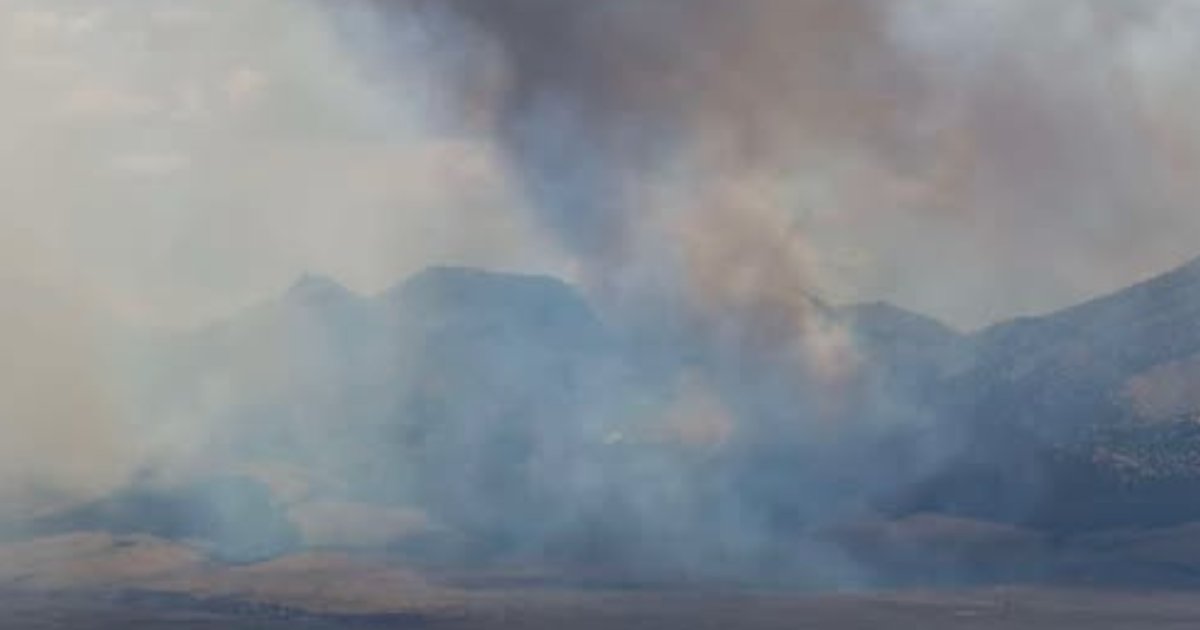
Management efforts vary by region and terrain. In Utah, the Bureau has conducted specific gathers to address overpopulation. For example, during a 2019 operation in the North Hills area, the Bureau aimed to gather approximately 250 horses because the estimated population was 528 percent above the identified appropriate management level.
During such operations, the Bureau coordinates with local authorities and advises the public on safety. In the 2019 North Hills gather, the Bureau advised visitors that low-flying helicopters would be used and discouraged the use of drones in certain areas of Iron County to protect the horse gather operations.
Advisory and Oversight Roles
Advisory and Oversight Roles
The National Wild Horse and Burro Advisory Board provides advice and recommendations to the Bureau of Land Management and the U.S. Forest Service. The Board is composed of representatives from various interest groups, including wild horse advocacy groups, veterinarians, and livestock organizations.
These advisory members, who may not be federal or state employees, are appointed by the Secretaries of the Interior and Agriculture. The Board's role is to assist the agencies in fulfilling their missions of managing and protecting wild horses and burros on public lands.
Ongoing Research and Fertility Control
Ongoing Research and Fertility Control
To slow herd growth and reduce the necessity of large-scale removals, the Bureau uses fertility control treatments where practical and effective. The Bureau seeks to increase these treatments as herds approach their target sizes.
Scientific research remains a core component of the program. The Bureau considers recommendations from qualified scientists in biology and ecology to ensure that management activities maintain a thriving natural ecological balance, particularly regarding the protection of endangered wildlife species.