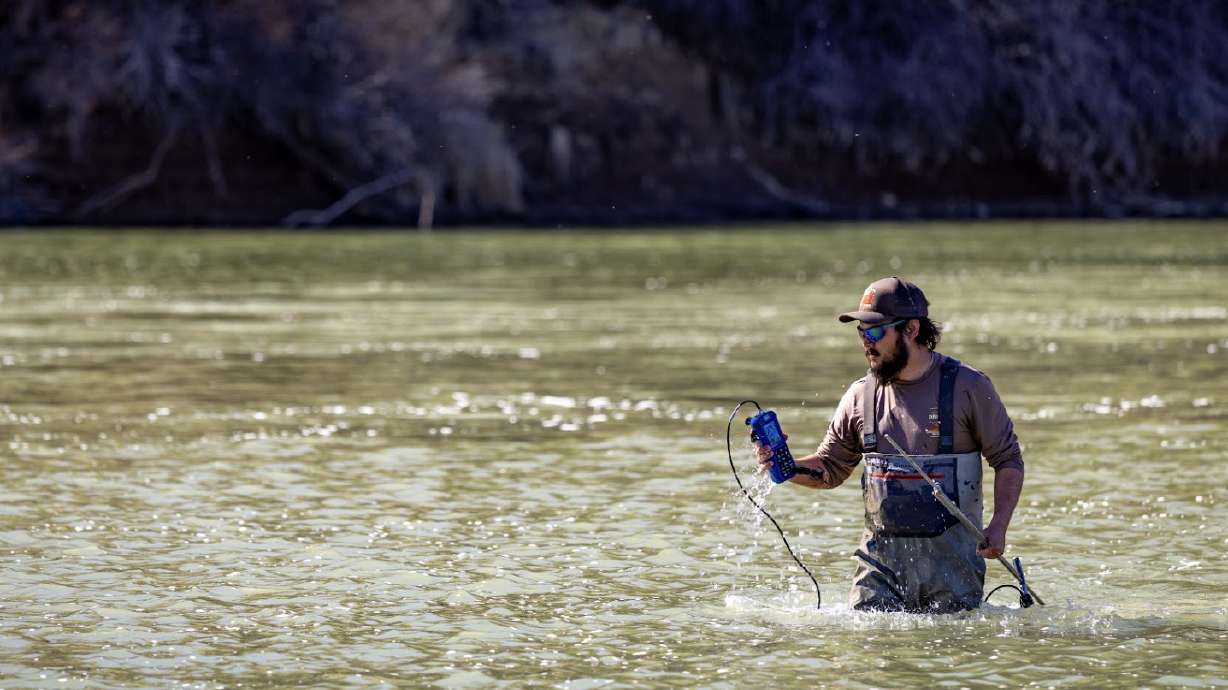
The Washington County Drug Task Force operates as a specialized unit within the Special Operations Division of the St. George Police Department's Investigations Division, according to the city's own website. This unit is one of several specialty groups that require additional training and expertise to perform their duties. Other units within the same division include Fraud and Property Crimes Investigations, the Special Victims Unit Investigations, and Victim Services. As of an undated police department webpage, Captain Johnny Heppler is listed as being with the Investigations Division.
The task force functions as part of a broader effort to manage narcotics-related issues within the region. According to the St. George City Council minutes from July 16, 2026, the St. George Police Department serves as the fiduciary for the Washington County Drug Task Force (WCDTF). This financial role supports the task force's ability to operate and collaborate with regional partners. The city council minutes from July 16, 2026, also note that a long-standing partnership exists among St. George City, the WCDTF, and the Rocky Mountain High Intensity Drug Trafficking Area (RMHIDTA). This collaboration is designed to collectively address the challenge of illicit drug distribution in Washington County, including within the city of St. George.
Financial support for these operations often comes through external grants. According to the St. George City Council minutes from July 16, 2026, the council considered the acceptance of a $167,132.00 grant award from the Rocky Mountain High Intensity Drug Trafficking Area (RMHIDTA). This funding is intended to support the efforts of the task force and its partners in combating drug trafficking. The partnership between the local police department and the RMHIDTA is described in the July 16, 2026, council minutes as a long-standing relationship used for various investigative purposes.
While the task force focuses on specialized narcotics investigations, the St. George Police Department's Investigations Division as a whole manages a variety of complex cases. The department's website indicates that the division's specialty units are necessary due to the specific training and expertise required for their roles. By housing the Washington County Drug Task Force within the Special Operations Division, the department integrates these specialized narcotics efforts into its broader investigative structure. This organizational structure allows for coordinated responses to various types of crime, ranging from property crimes to specialized victim services. The city's administrative processes, such as the council meetings held at the St. George City Hall, provide the framework through which the city manages its fiduciary responsibilities and oversees the departmental resources used to support the task force's mission.
What this means for St. George
For St. George residents, the existence of the Washington County Drug Task Force means that local police have access to specialized training and regional partnerships to combat drug distribution. Through the city's fiduciary role and participation in the RMHIDTA, the community benefits from organized, collaborative efforts and external grant funding to address complex narcotics-related challenges.