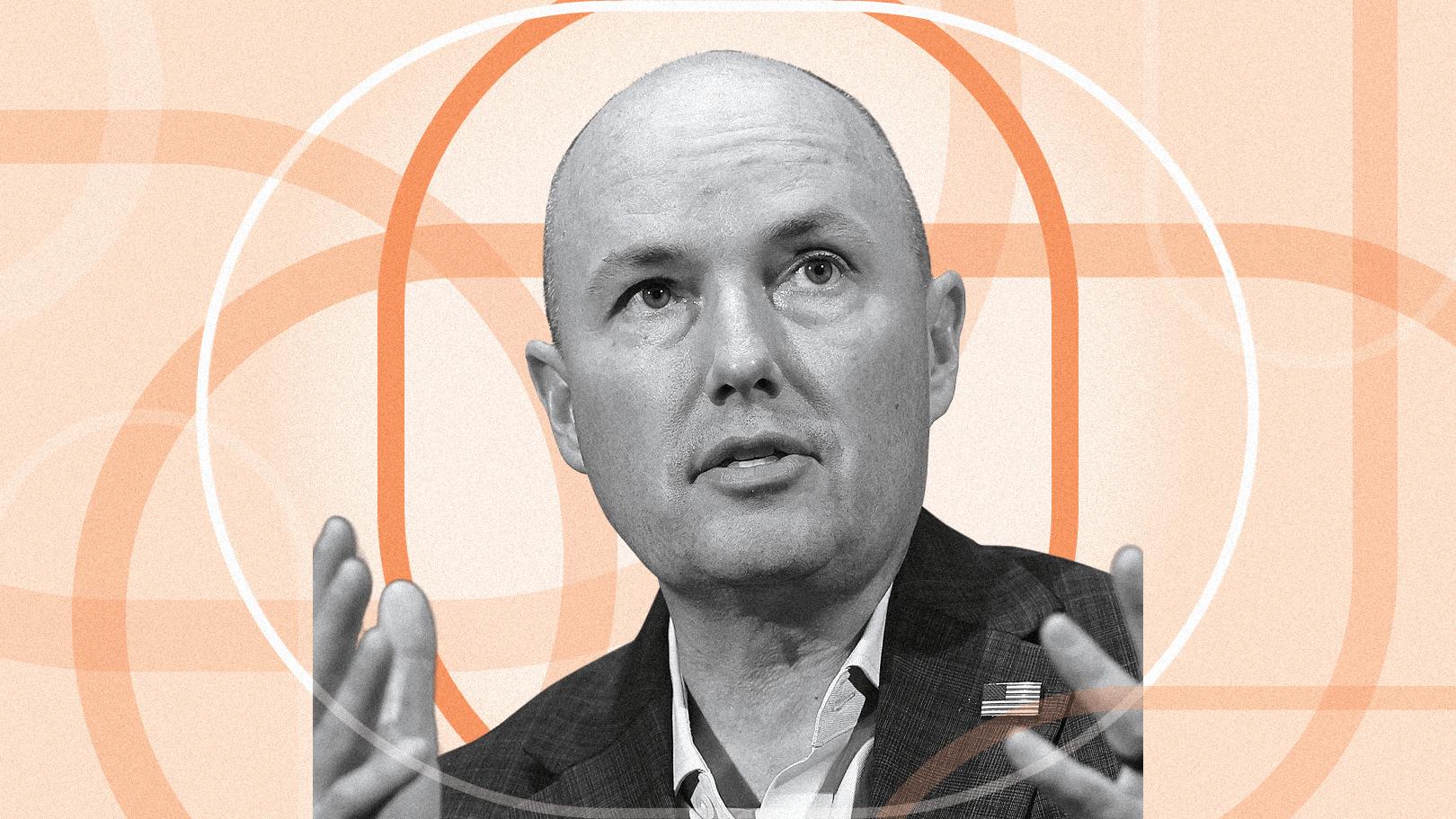
Utah Governor Spencer Cox has been included in TIME's 2026 list of the 100 most influential leaders driving business climate action, according to a report published November 9, 2026. The governor has focused on energy affordability and clean power by supporting a mix of resources, including geothermal and advanced nuclear power.
Cox has led regional efforts to advance energy transmission and hosted the Operation Gigawatt Summit in 2026 to discuss scaling geothermal energy, advanced nuclear power, and grid capacity. In southwestern Utah, Fervo Energy is working to prove the affordability of geothermal power at its Cape Station site. As of October 15, 2026, Fervo has constructed three new power plants near a modified oil rig to transform heat from two miles underground into electricity.
Other climate leaders highlighted in the collection include Juliet Rothenberg of Google, who discusses using AI to mitigate the climate crisis through tools like Flood Hub and FireSat. Rothenberg noted that AI has accelerated scientific progress, allowing software prototypes to be built in less than an hour. Santiago Gowland, CEO of the Rainforest Alliance, emphasized the need to accelerate the transition to regenerative agriculture to protect biodiversity and sequester emissions.
In the apparel industry, Jennifer DuBuisson, senior director of sustainability at Levi Strauss & Co., launched the Fashion Renewable Collaborative this year. Partnering with Marks & Spencer, the initiative aims to increase renewable electricity adoption across fashion supply chains. The company also launched an energy accelerator program in September to connect factories to renewables, starting in India with plans to expand to other regions.
The climate crisis presents significant challenges, with scientists stating the world is heading past the 1.5° Celsius threshold. Additionally, agriculture, forestry, and other land use account for approximately 22% of global greenhouse gas emissions.
The push for sustainable practices continues through various sectors, from AI-driven disaster forecasting to regenerative agriculture standards designed to support farmers in growing commodities like coffee, cocoa, citrus, and tea.