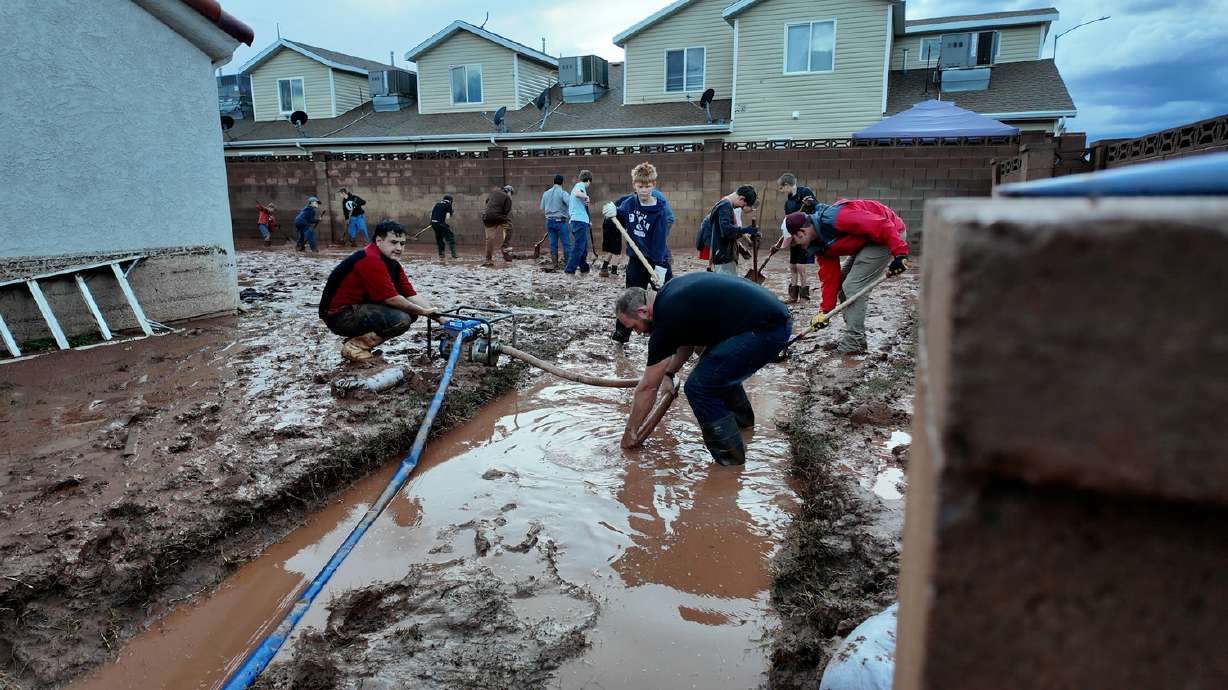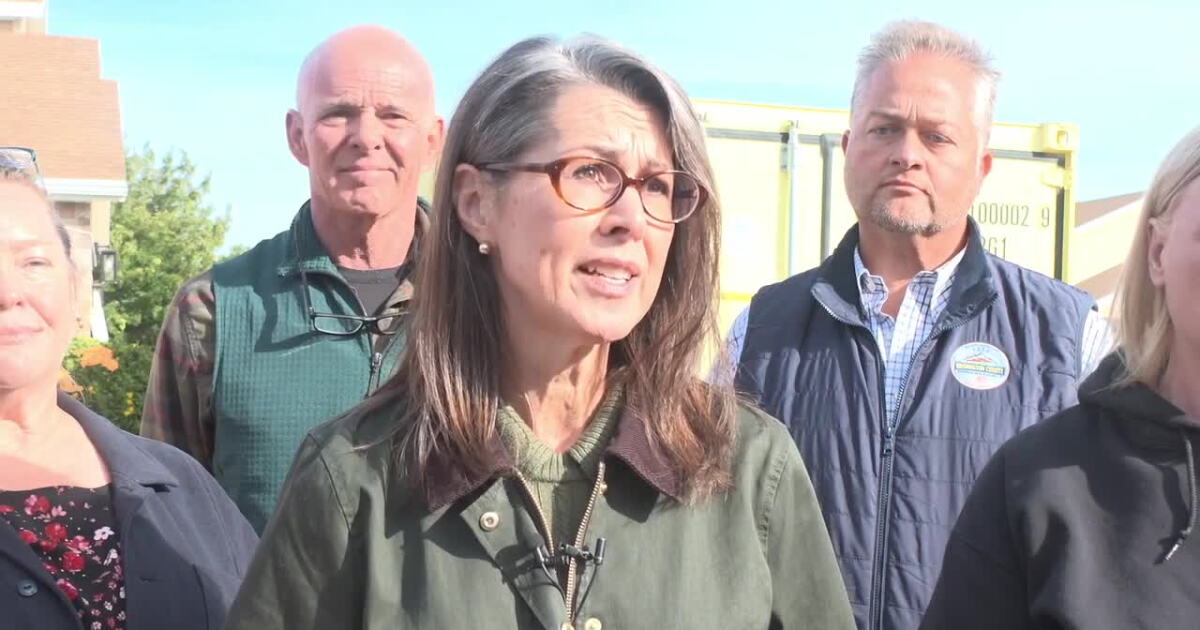
Lieutenant Governor Deidre Henderson visited the flood-ravaged community of Hurricane on Friday, October 30, 2026, to survey damage and coordinate state resources with local leaders. During the visit, Henderson emphasized that formal damage assessments must be completed before determining the availability of federal resources to assist families impacted by the recent flooding.
Coordinating State and Local Resources
As part of a state tour of flood-impacted areas, Henderson met with agency leaders and flood victims, including residents at the Pecan Townhomes. She held a meeting lasting approximately 45 minutes with representatives from the Department of Natural Resources, UDOT, the Division of Emergency Management, and the office of U.S. Representative Celeste Maloy, alongside Hurricane city officials and a local homeowner-run flood committee.
Henderson stated that the primary goal of the visit was to ensure state stakeholders could coordinate with county and city leaders to identify both immediate and long-term needs. She noted that the state would send heavy equipment and volunteers to the area to assist with recovery efforts. Additionally, the Department of Natural Resources commissioner is sending firefighters to assist with sandbagging and yard cleanup ahead of storms forecasted for Friday.
Despite the coordination of resources, Henderson noted that homeowners face significant challenges in rebuilding. She explained that because different funds are designated for specific purposes, the process for approval can take a long time. "Damage assessment needs to occur and once we see how much damage has happened, we can see what kind of federal resources are available," Henderson said.
Frustration Over Funding Gaps
Local leadership expressed frustration regarding the availability of direct financial assistance for residents. Hurricane Mayor Clark Fawcett said that while coordination is occurring, he felt his hopes for immediate money for victims might be misplaced. Fawcett stated that FEMA has informed the city that the current situation is too small for their intervention and that the state does not have funding available to assist residents directly.
Mayor Fawcett noted that while state assistance might be available for infrastructure projects, such as clearing the wash or implementing long-term solutions, there is a lack of direct dollars to help people with personal recovery costs. This sentiment was echoed by local residents who are struggling with the financial aftermath of the disaster.
Community members are currently working to assess the extent of the damage. A local flood committee, consisting of homeowners, nonprofits, and church groups, is visiting homes to conduct these assessments. This effort is intended to help determine if the damage meets the necessary thresholds for state and federal grants.
Community Resilience and Preparedness
Cherie Santiago, a member of the flood committee and a local organizer, remarked that the visit helped establish communication between agencies to help the community prepare for future flooding. Santiago noted that while the immediate response requires money that the government cannot provide instantly, the coordination may lead to more permanent solutions for the wash to protect future generations.