Heber City officials are working to refine a vision for the redevelopment and reuse of underutilized properties along the "C" Street corridor, a project aimed at transforming the downtown area into a pedestrian-oriented destination. The initiative, which builds on the Envision Central Heber 2050 Plan, seeks to revitalize the district through a Brownfields Grant awarded by the Utah Department of Environmental Quality and funded by the United States EPA.
Downtown Revitalization Goals
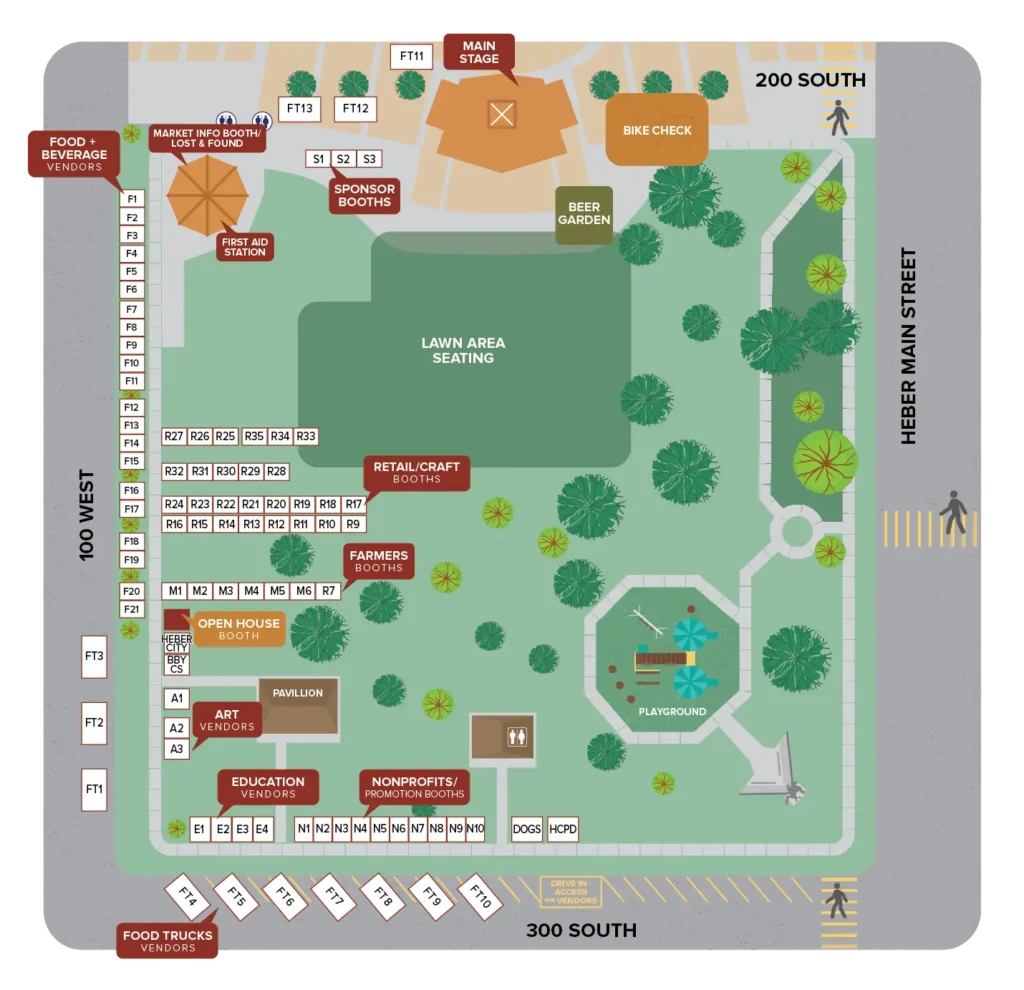
The Downtown Revitalization Planning Project focuses on a specific study area bounded by Center Street, 200 South, Main Street, and 100 West. According to Envision Heber, the effort aims to move from a broad, aspirational idea to a clear and actionable direction by developing conceptual revitalization diagrams through public engagement. The project is designed to support revitalization by strengthening existing businesses and exploring new residential building types.
Creating a Pedestrian Corridor
A central component of the planning effort is the creation of a cohesive "C Street Experience," which is intended to link City Hall, Main Street, and the Trailhead Plaza. The project seeks to improve walkability, accessibility, and parking, while enhancing connections to nearby destinations. This vision aims to create a welcoming, year-round gathering place in the heart of Heber City, supporting both residents and visitors.
Addressing Environmental Concerns
The use of a Brownfields Grant is a key aspect of the planning process. As defined by the EPA, a Brownfield site is real property where the expansion, redevelopment, or reuse may be complicated by the potential presence of a hazardous substance, pollutant, or contaminant. Envision Heber noted that a property identified as a Brownfield does not necessarily mean it contains hazardous substances, but environmental testing is required to confirm such presence. This project helps inform property owners of potential needs for future environmental assessments regarding development reuse.
Community Advocacy and Vision
The Community Alliance for Main Street (CAMS) is also engaged in advocacy efforts to shape the future of the community. CAMS describes its mission as transforming Main Street into a destination that serves as an economic hub and community gathering place. The organization acts as a bridge between the community and local authorities, working to ensure the specific needs and concerns of Main Street property owners and residents are addressed. CAMS focuses on creating a pedestrian-friendly environment that preserves the historical integrity and small-town feel of Heber City.
The Utah Main Street Framework
The Utah Main Street Program, a coordinating program of Main Street America, supports these types of revitalization efforts across the state. As of 2026, 29 Utah Main Street communities are part of the network. The program utilizes a Four-Point Approach—organization, promotion, design, and economic vitality—to build strategies centered around a community's unique heritage. Originally running from 1992 to 2007, the program was later piloted in Brigham City and Price before being established by S.B. 94 during the 2021 Legislative session.
City Council Oversight
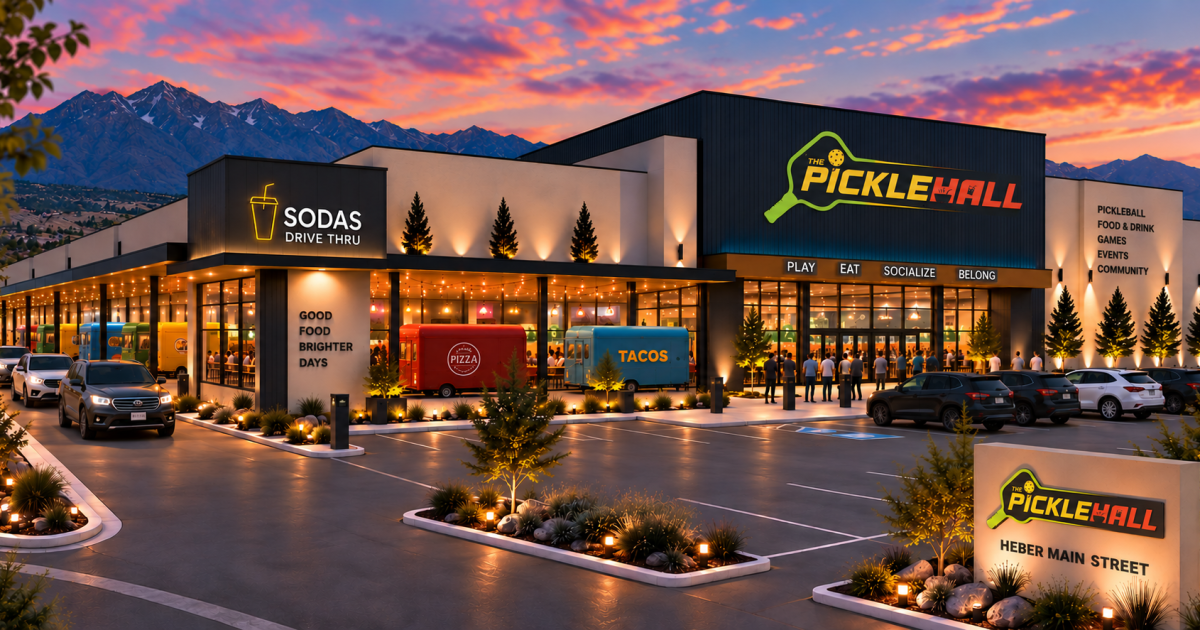
The Heber City Council has held several meetings to discuss various municipal matters, including the downtown revitalization efforts and other city projects. During an amended agenda for a meeting held on October 20, 2026, the council was scheduled to discuss strategies for city-owned property located in a Community Redevelopment Agency (CRA) project area. Other items on the agenda included the Pickle Ball Project regarding impacts at 790 South and 150 East Road, and traffic calming and pedestrian safety improvements.
Future Development Roadmap
The city's long-term planning efforts are designed to provide a roadmap for revitalization, economic development, and environmental sustainability. By combining public engagement with technical studies of land use, buildings, and infrastructure, Heber City aims to identify opportunities and constraints within the study area to guide future investment and grant funding for both the city and private property owners.