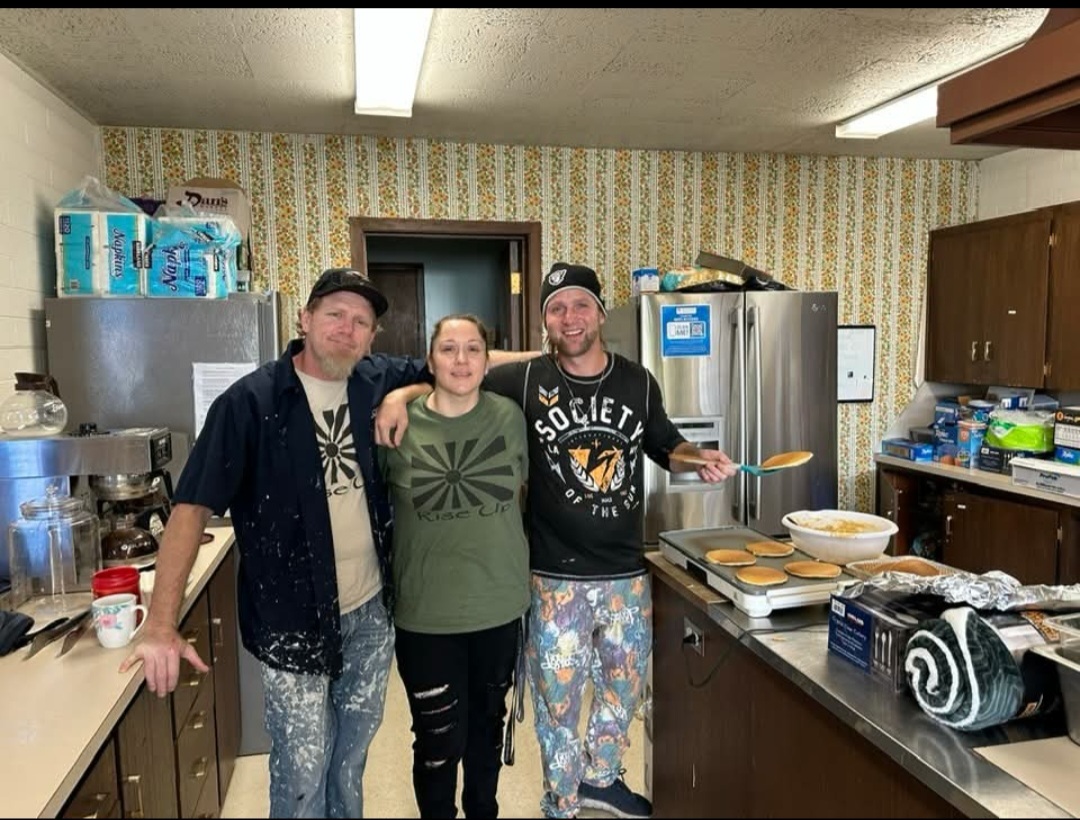
The Rise Program will host its annual pancake breakfast fundraiser on November 14 at 10 a.m. at St. Mary's Episcopal Church, located at 50 W. 200 North in Provo. The event is designed to foster community connection and fellowship while supporting those seeking a second chance at life.
The fundraiser will feature a suggested donation of $10 per plate for those who can afford to pay. Participants who donate will receive a ticket entered into a drawing for prizes. Rise instructor Sarah Zeeman stated that no one will be turned away regardless of their ability to donate, and the program will ensure there is enough food for everyone.
In addition to breakfast, the event will include the sale of merchandise such as hoodies, hats, and t-shirts. Activities such as cookie decorating for children and games of bingo are also planned. Zeeman noted that those in recovery and those wanting to support individuals struggling with addiction through donations and connection are invited to attend. The program also encourages attendance from local treatment facilities and law enforcement to help bridge gaps in the community.
The Rise Program, located at the Utah County Jail, has worked with over 2,700 men and women since its inception in 2017. The program provides support for substance abuse and life skills to help inmates learn to lead productive lives and integrate back into society through humane treatment and services.
Janelle Wilkinson, who has been affiliated with Rise since her first fundraiser in 2019, said the program provided her with an opportunity for a new start and helped her enter sober living. Wilkinson noted that the first fundraiser, which took place in a park, raised $1,200 for the Rise Up program. This program provides aftercare for individuals transitioning from incarceration through weekly meetings that offer support, resources, connection, and recreation.
The Rise Up program specifically assists those dealing with the difficult transition following incarceration. The annual fundraiser serves as a way to support these efforts and build relationships between community resources, treatment facilities, and law enforcement.