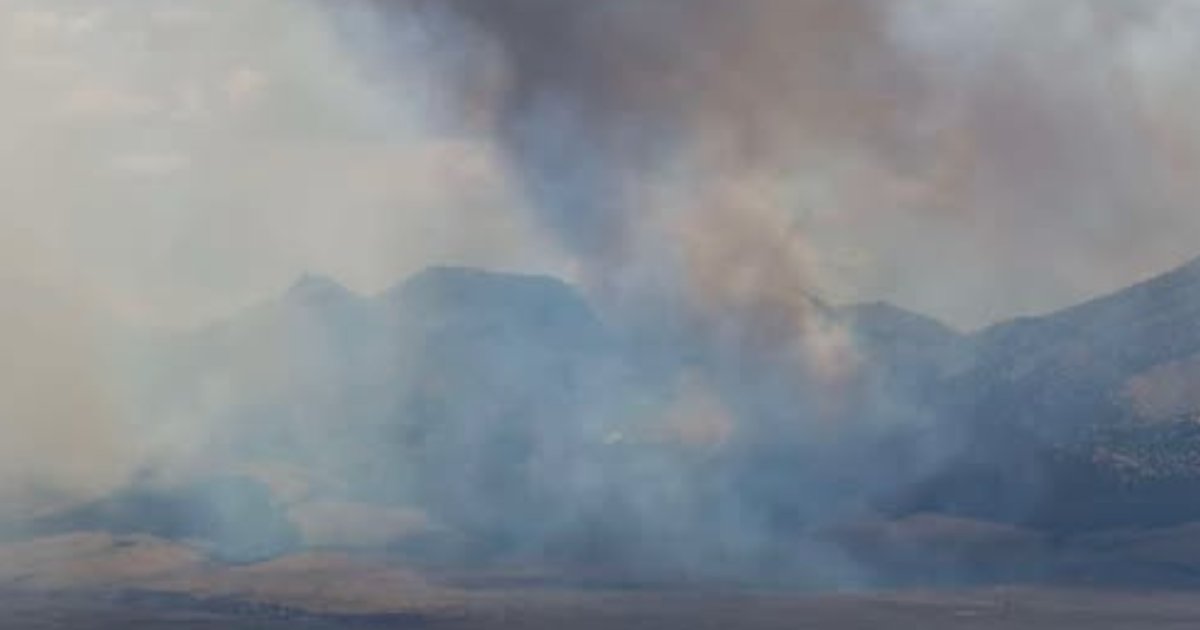
Grand County remains under extreme drought conditions as of late July 2026, following a season of record-low snowpack and a statewide emergency declaration issued by Governor Spencer Cox. The prolonged dry weather has prompted local officials to hold public hearings regarding budget amendments to address the evolving economic and environmental challenges facing the region.
Emergency Declarations and Drought Drivers
The drought conditions in southeastern Utah reached critical levels earlier this year. On May 19, 2026, the Grand County Commission unanimously approved a drought emergency declaration as severe dry conditions began impacting agriculture, water forecasts, and wildfire risk. This local declaration was made retroactive to April 1 to assist local farmers and ranchers who incurred costs related to the worsening conditions earlier in the spring.
Grand County Emergency Management Director Kate Finley noted that conditions deteriorated rapidly during March due to a dry winter and an unusually warm spring. According to Finley, snow monitoring sites in the La Sal Mountains reached record-low snow water equivalent by March 11 and melted out before the region reached its typical peak snowpack period.
Critical Snowpack and Water Shortages
The severity of the current drought is reflected in recent monitoring data. As of July 28, 2026, the U.S. Drought Monitor continues to classify Grand County in D3, or extreme drought conditions. The region's water supply forecasts along the Colorado and Dolores rivers were previously reported to be below 30% of average.
Earlier this year, the Natural Resources Conservation Service’s Utah Snow Survey program described 2026 as Utah’s worst snowpack season since at least 1930. A federal water supply outlook found that southeastern Utah snowpack had dropped to 0% of normal by May 1, 2026, following a rapid spring snowmelt.
Statewide Response and Conservation
Governor Spencer Cox issued a statewide drought emergency declaration on May 21, 2026, citing historically poor snowpack and growing wildfire concerns. While the statewide order encourages voluntary conservation measures—such as reducing outdoor watering and fixing irrigation leaks—it does not impose mandatory restrictions, leaving enforcement decisions to local municipalities and water providers.
The statewide declaration activated the state Emergency Operations Plan, directing the state Drought Response Committee to review hardships and recommend actions. This committee is co-chaired by Kris Hamlet, director of the Utah Division of Emergency Management, and Joel Ferry, executive director of the Utah Department of Natural Resources.
Agricultural and Economic Impacts
The economic impact of the drought extends to the agricultural sector. Farmers and ranchers can seek emergency relief and loan programs through the U.S. Department of Agriculture’s Farm Service Agency. While the Small Business Administration offers disaster assistance for businesses and nonprofits, those primarily engaged in farming or ranching are not eligible for SBA disaster assistance.
Local officials continue to monitor the situation through monthly water condition webinars. The Drought Response Committee is tasked with meeting periodically to review the impacts of these water conditions and coordinate necessary responses to protect public health and property.
Local Governance and Oversight
The Grand County Commission continues to manage the region's fiscal and emergency priorities. Public hearings are held to discuss budget amendments, fees, and taxes, with specialized sessions for budget matters typically held at 6 p.m. on the first and third Tuesdays of the month.
Water Management Challenges
Utah's water management strategy relies heavily on capturing spring runoff in reservoirs to sustain use throughout the year. However, dry soils can reduce the effectiveness of spring runoff by absorbing moisture before it can reach reservoirs, streams, or rivers. As of April 28, 2025, Utah's largest 42 reservoirs were reported to be at or above typical levels, but current conditions remain heavily influenced by the recent record-low snowpack.
Regulatory Framework
The Utah Municipal Code provides the legal framework for how cities and towns manage fiscal procedures, including the requirement for annual or biennial budgets and the necessity of public hearings for tentatively adopted budgets. These regulations ensure that municipal governments maintain transparency and accountability in their financial administration and reporting.