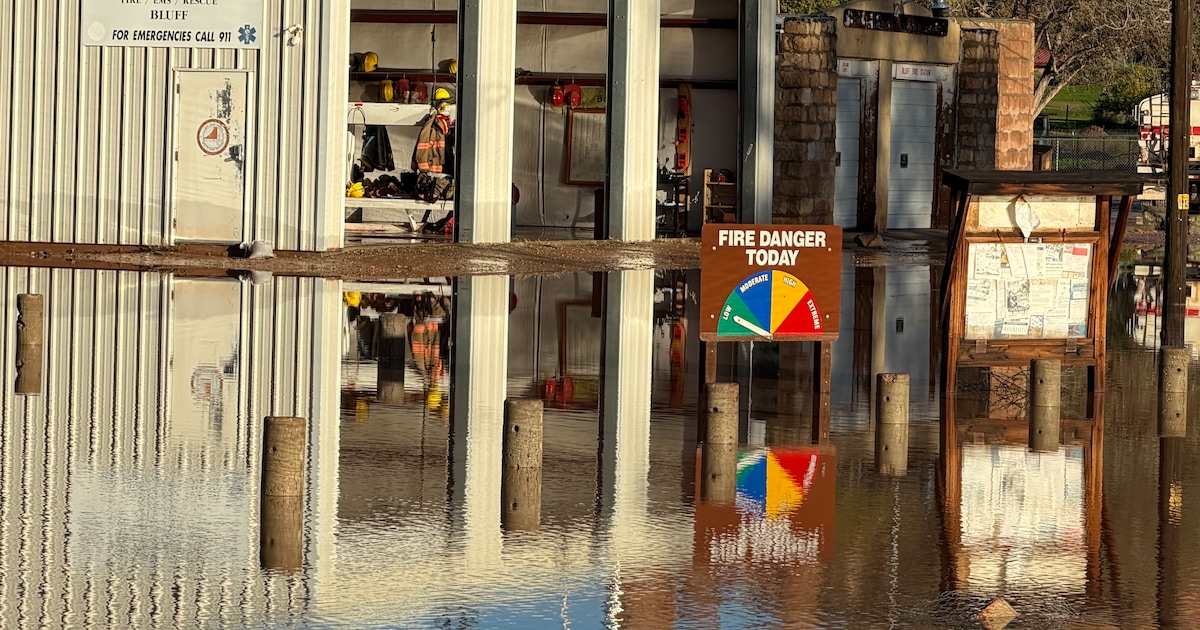
Governor Spencer J. Cox declared a 30-day state of emergency for San Juan and Washington counties on Nov. 6, 2026, following severe thunderstorms and flash flooding that damaged homes, businesses, and critical infrastructure. The declaration, which was issued as floodwaters began to recede, allows the state to mobilize resources and request federal or interstate assistance to support local recovery efforts.
Scope of the Emergency
The executive order, signed Nov. 6, 2026, addresses damage caused by multiple flooding events that occurred between Oct. 22 and Nov. 1, 2026. According to the order, some areas experienced flooding multiple times during this period. The state of emergency is set to remain in effect for 30 days unless extended by the Utah Legislature.
Infrastructure and Road Damage
The flooding has caused significant damage to public infrastructure, including roadways, bridges, and utilities. Specifically, the Comb Wash Bridge on U.S. Route 163 at Milepost 38 sustained significant embankment erosion and lost its approach slab, creating a gap between the roadway and the bridge. This damage has necessitated an immediate and indefinite closure of the highway.
Additionally, State Route 162 and State Route 262 experienced critical flooding, overtopping, and shoulder damage near Montezuma Creek and Bluff, which created hazards and required localized road closures and controlled traffic detours. Other affected routes include U.S. Route 163, State Route 162, and State Route 262. The full extent of the damage to roads, bridges, culverts, and utilities cannot be fully quantified until the floodwaters completely recede.
Utility and Water Disruptions
Beyond transportation, the storms have compromised critical local utility infrastructure, including exposed telecommunications and fiber lines. Damaged water lines have also impacted access to drinking water in affected areas.
Governor Cox noted that repeated flooding has disrupted access to drinking water and cut off important travel routes. The governor expressed gratitude to emergency responders and crews working to maintain public safety.
Environmental Contributing Factors
The flooding was exacerbated by environmental conditions, including historic drought, record low water levels, low soil moisture, high temperatures, and prolonged dry conditions. These factors contributed to hardened ground surfaces, which increased the risk of flash flooding and debris flows.
As a result of the flooding, local communities declared local states of emergency and requested additional resources and support from state departments and agencies. State officials have been working to coordinate resources to evaluate needs for both short-term relief and long-term resilience.
State Response Efforts
In response to the crisis, state officials have been on the ground to assist affected residents. On Oct. 29, 2026, Lt. Gov. Deidre Henderson and other state agency officials visited flood-affected areas in Washington and San Juan Counties to meet with local leaders and residents.
During these visits, state agencies mobilized manpower, water pumps, and UDOT trucks to build a gravel road to provide access to families stranded by the breach of the San Juan River. These efforts aimed to coordinate resources for communities facing devastating losses to homes, property, and businesses.
Election Accommodations
To ensure voter access during the disaster, Lt. Gov. Deidre Henderson issued a Declaration of Emergency Election Accommodations on Nov. 2, 2026. This declaration allows affected voters in San Juan County to receive and return their ballots electronically due to the significant flooding in the area.
Legal Framework for Recovery
The state of emergency declaration enables the state to utilize all available resources of the state government as necessary to cope with the emergency under the Disaster Response and Recovery Act. This includes the potential for mutual aid assistance from other states through the Emergency Management Assistance Compact.