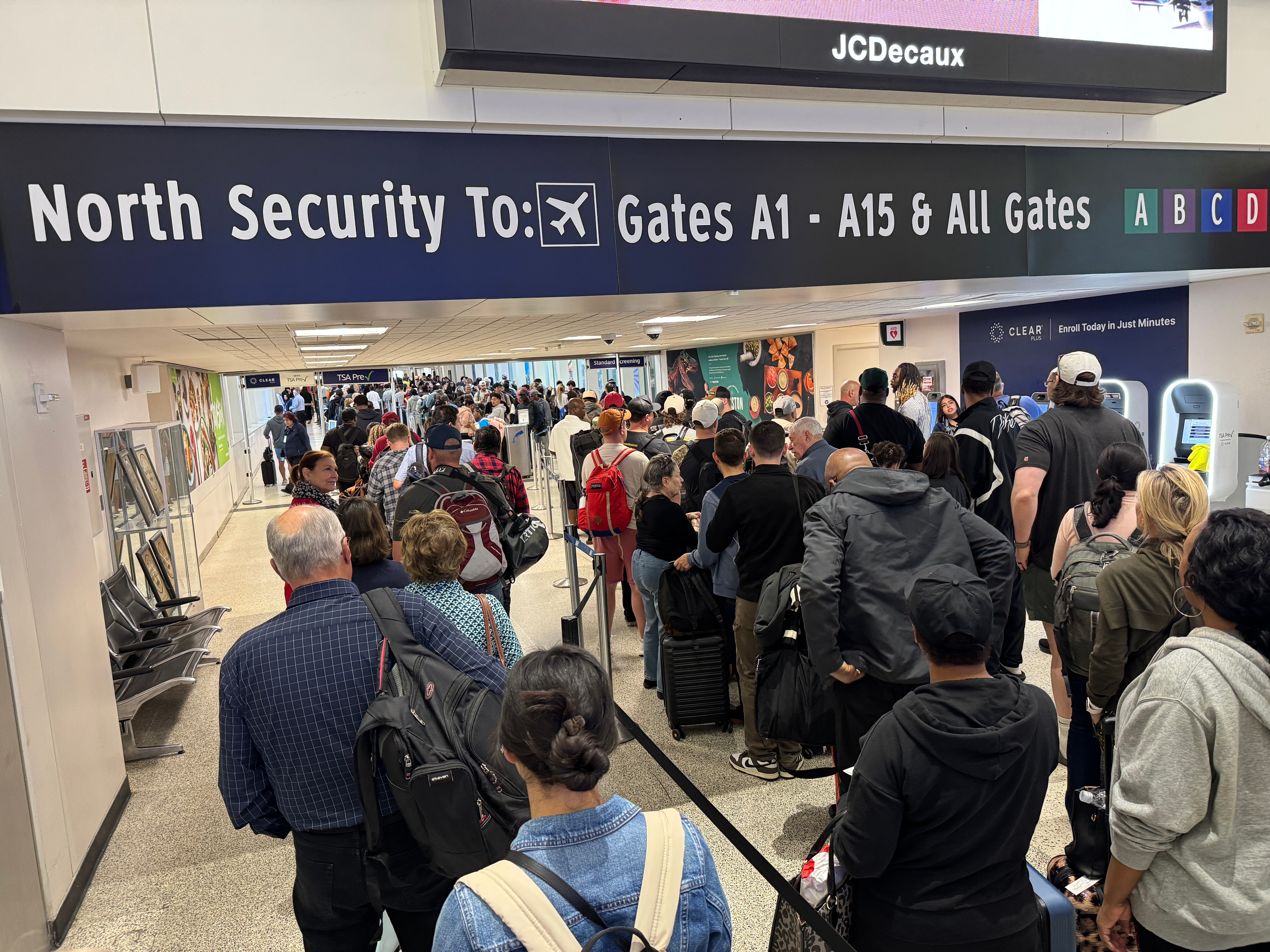
A 2026 TSA funding lapse caused significant disruptions to airport operations, according to research analyzing checkpoint data. While national daily TSA throughput declined by 6.7 percent between March and May 2026 compared to the same period in 2025, the impact varied significantly by location due to localized staffing shortages.
The funding lapse led to a personnel crisis as frontline officers were required to work without pay. This resulted in increased absences and resignations, particularly as the lapse lasted over a month. The disruption was most visible in May 2026, when year-over-year throughput declined by 9.8 percent.
Some major airports saw massive declines in checkpoint activity. Hartsfield Jackson Atlanta International Airport recorded the largest decline among major hubs, with average daily throughput falling 7.9 percent. Other significant declines were noted at Boston Logan International Airport, Miami International Airport, Orlando International Airport, and Seattle-Tacoma International Airport.
In contrast, some airports demonstrated resilience. Chicago O’Hare International Airport reported an 8.7 percent increase in average daily throughput, while San Diego International Airport and Newark Liberty International Airport also saw growth in checkpoint activity.
Data analysis suggests that staffing shortages may have also affected the consistency of reported throughput figures. At Hartsfield Jackson Atlanta International Airport, officials deployed Immigration and Customs Enforcement personnel to assist with identification checks after staffing shortages strained operations. Additionally, the airport reported instances where throughput data showed zero passengers processed at the main checkpoint during peak periods.
The funding lapse occurred as the airline industry faced tight margins due to rising operating costs despite a long-term decline in inflation-adjusted domestic airfares. The event highlighted how disruptions in security staffing can ripple through the broader aviation infrastructure and impact travel reliability.