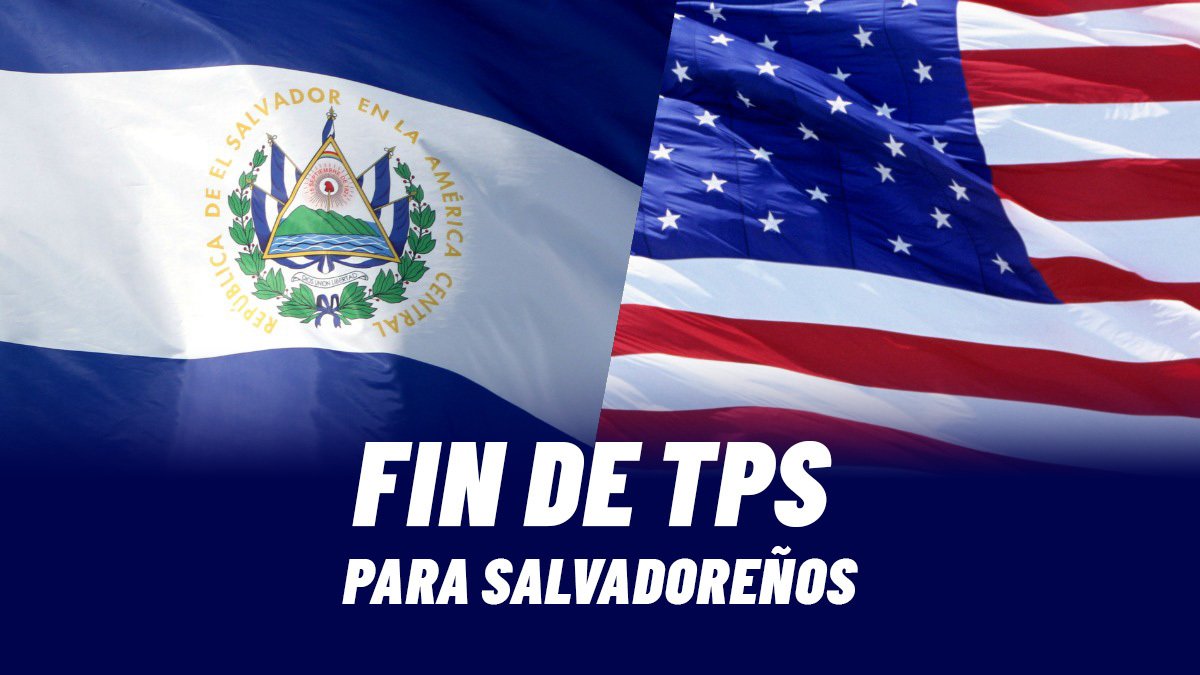
The expiration of Temporary Protected Status for Salvadoran nationals on Sept. 9, 2026, leaves more than 170,000 people in a precarious legal position as they face the loss of legal residency and work authorization. The end of the 25-year program, which was originally established to protect citizens from natural disasters, removes critical safeguards against deportation and leaves thousands of families facing potential separation.
Loss of Legal Protections
The conclusion of the program marks the end of an era for the Salvadoran community in the United States. Beginning the first second of Sept. 10, more than 200,000 Salvadorans living in the country will face significant legal vulnerability under the immigration policies of the Donald Trump administration. This transition reverts the legal status of men and women, effectively stripping them of rights acquired during their time under the program.
Immediate Legal Consequences
The loss of TPS status results in several immediate consequences for beneficiaries. According to Univision, individuals will lose their status as temporary residents, leaving them undocumented. Furthermore, the expiration eliminates employment authorization documents (EAD), removing access to the formal labor market. Salvadorans will also lose protection against deportation and travel authorization, known as Advance Parole, which previously allowed them to travel and re-enter the United States legally.
Geographic Areas of Impact
The impact of the expiration will be felt most heavily in specific metropolitan hubs. Univision reports that the most significant effects will occur in Los Angeles, California; Washington D.C. and the surrounding areas of Maryland and Virginia; New York, specifically the metropolitan area including Queens and Long Island; and in Houston and Dallas, Texas.
Telemundo 44 reported that the Washington D.C. metropolitan area, including Maryland and Virginia, serves as the largest concentration of Salvadorans with TPS, with 32,359 residents in that region alone. This is followed by the populations in Los Angeles and New York.
A 25-Year History of Protection
The history of the program is deeply tied to the stability of El Salvador. The Immigration and Nationality Act established the TPS program in 1990, providing temporary protection against deportation. For the Salvadoran community, protection was officially granted in March 2001 following devastating earthquakes that struck the country in January and February of that year.
While the program was initially granted to approximately 150,000 Salvadorans, it has been expanded 11 times since its implementation. The Department of Homeland Security (DHS) has previously determined that El Salvador continues to suffer from structural aftershocks from those earthquakes, alongside environmental crises and high levels of vulnerability that prevent safe return.
Legal Battles and Extensions
The legal battle to maintain the program has been long and complex. In 2018, the DHS ordered the termination of the program, arguing that the environmental conditions that triggered the original 2001 designation no longer existed. This led to the Ramos v. Nielsen lawsuit, which eventually reached the Ninth Circuit Court of Appeals.
In Sept. 2020, the court ruled in favor of the Executive Branch. Following years of temporary extensions and judicial mediation, the litigation concluded when it was determined that courts lack the legal authority to revoke the White House's discretionary decisions regarding migratory programs. This resulted in a requirement for beneficiaries to undergo individual re-registration to maintain their status, a process that concluded in June 2024.
Government Stance
Despite the expiration, the DHS has maintained a cautious stance regarding the immediate next steps. A spokesperson for the DHS told NBC that an announcement regarding TPS for El Salvador will be made at the appropriate time, and until such an announcement, Salvadoran citizens in the U.S. under TPS retain their protection.
However, the DHS has also stated that the status is, by definition, temporary. The agency noted that for too long, TPS has been allowed to function as a de facto amnesty program, despite Congress never intending for it to be permanent.
Uncertainty for Families
Legal experts are urging Salvadorans to prepare for various outcomes. Attorney Cristina Paoli advised beneficiaries to consult with immigration lawyers to evaluate individual options, noting that the outcome depends on each person's specific situation. She warned that those with existing deportation orders would no longer be protected by TPS once the program ends.
For many, the uncertainty is deeply personal. One Salvadoran resident in Bethesda, identified only as José, expressed the fear of being separated from his five children. José, who has lived in the U.S. since 1999, noted that he serves as the primary provider for his family and fears the total collapse of his family's stability.