Utah launched a new program Wednesday to help high-utilizers of the criminal justice and shelter systems get back on their feet, marking a major step in the state's effort to combat chronic homelessness. The ARCH Project provides resources, including medical treatments and employment skills, to repeat misdemeanor offenders who are unsheltered and deemed a good fit for the program by the courts.
Launching the ARCH Project
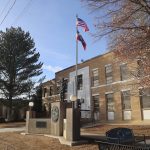
The program was officially introduced during a ribbon-cutting ceremony at the newly renovated Orange Street Community Correctional Center in Salt Lake City on Wednesday, Oct. 7, 2026. Leaders announced the project at the facility, which has 60 beds available for those who qualify for the program. As of Wednesday, four individuals had already entered the Department of Corrections' ARCH Project as part of the initial rollout.
Targeting High-Utilizers
The ARCH Project is an acronym representing Assessment and Accountability, Reentry and Response, Coordination and Compassion, and High-utilizer support. The program targets individuals who frequently cycle through shelters, correctional facilities, and emergency rooms but lack long-term stability. Unlike previous supportive programs that were designed for higher-level offenders convicted of felonies, the ARCH Project makes similar services available to those who repeatedly commit misdemeanor crimes.
Breaking the Cycle
The initiative aims to provide a pathway for individuals who have previously been charged with dozens of misdemeanors, a situation that can lead to prison time and a repeating cycle of struggling for work and housing upon release. According to Nick Bricker, chief of community safety and stability for the Department of Corrections, the program provides services and treatment options on-site, while also utilizing community partners and pathways for reintegration.
Comprehensive Support Services
The Department of Corrections will serve as a case manager for participants, representing a major shift in how the state oversees treatment and recovery for high-utilizers. Bricker noted that the goal is to ensure participants receive essential support, such as obtaining driver's licenses, securing vital documents, receiving medical treatment, and gaining employment and job skills. While some participants may qualify for housing at facilities like Odyssey House or First Step House, the state will maintain oversight to ensure they are not simply moved between siloed services.
Program Capacity and Facilities
The program's capacity is structured to accommodate a total of 180 individuals. This includes dedicated space for men at the Fortitude Treatment Center and for women at the Bonneville Community Correctional Center, both located in Salt Lake City. Officials noted that extra capacity may become available if some participants are eligible to reside at an outpatient facility.
Legislative Funding and Scale
The Utah Legislature established the program through HB 110 during the 2026 legislative session. Lawmakers approved the bill with unanimous support, providing $2.6 million in one-time funding for facility renovations and $6 million in ongoing annual funding for operations and staffing. The Department of Corrections reported that approximately 1,300 people had been identified as potential candidates for the program as of Oct. 1, 2026.
Accountability and Compassion
State officials emphasized that the program is built on the principle that accountability and compassion can coexist. Department of Corrections Commissioner Jared Garcia stated that the program is a bold and vital step for the department, noting that accountability and compassion must occur simultaneously to achieve desired results. Tyler Clancy, the state's homeless coordinator, added that the program is designed to help those caught in a vicious cycle of addiction, jail, emergency rooms, and street homelessness, providing space for individuals to heal.