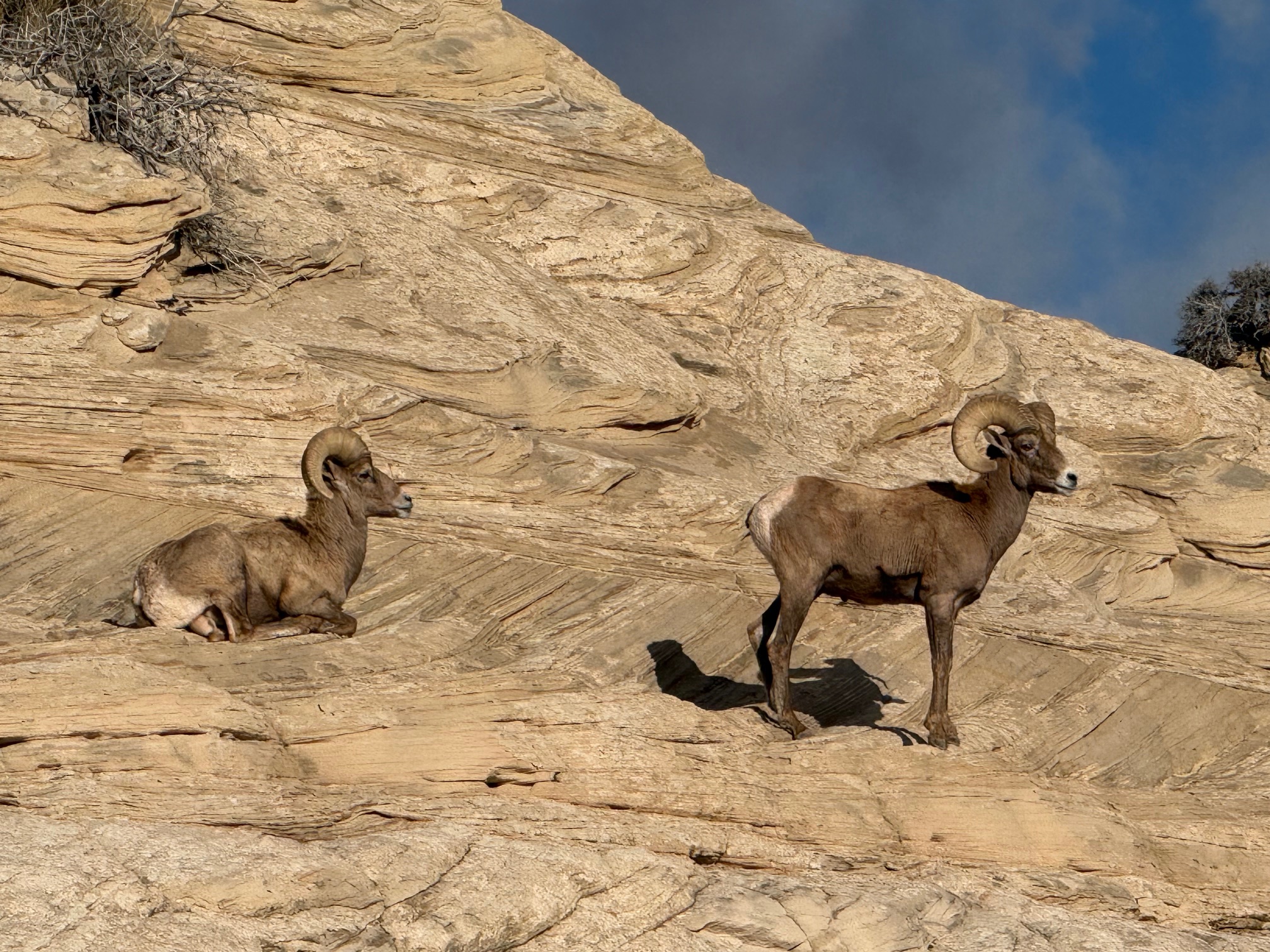
The National Park Service, in partnership with the Bureau of Land Management, Utah Division of Wildlife Resources, and Utah State University, has announced a comprehensive study regarding regional desert bighorn sheep disease, population, and habitat. The research will span Arches, Canyonlands, and Capitol Reef national parks as well as surrounding lands across southeastern Utah.
Helicopter surveys and bighorn sheep capture and release operations are expected to occur from early November through December. Visitors may observe or hear helicopters operating in areas occupied by bighorn sheep during this period. Officials advise that anyone encountering field operations should maintain a safe distance from wildlife, helicopters, and crews, and follow any area restrictions or directions provided by park staff.
Lena Pace, superintendent of the Southeast Utah Group—which includes Arches and Canyonlands national parks—stated that the project will provide wildlife managers with updated information needed to understand and conserve desert bighorn sheep across southeastern Utah. Pace noted that bighorn sheep face stressors including disease, changing conditions, and human recreation. Monitoring their health, abundance, distribution, and movement helps managers understand how populations respond to these pressures to make informed conservation decisions.
Data gathered from this multi-agency initiative is intended to guide park management decisions, such as implementing seasonal area closures to protect sensitive habitats like lambing grounds and conducting impact assessments for proposed projects. The study also aims to interpret population changes and identify sources of disease transmission and risk. Because bighorn sheep move across jurisdiction boundaries, the regional partnership allows for a landscape-scale understanding of populations, movements, habitat use, and disease dynamics.
The study will provide updated GPS-based monitoring data on bighorn sheep populations, building upon previous research. For more information regarding study activities or temporary closures, visitors can visit the National Park Service websites for Arches, Canyonlands, or Capitol Reef national parks.