Federal officials declined Utah's request for full federal payment for traditional healing services provided by urban Indian health organizations under the state's new Medicaid waiver, according to a November 18 report from KFF Health News.
While the Centers for Medicare & Medicaid Services approved Utah's program, it did not grant urban organizations the 100% federal reimbursement that tribal providers receive.
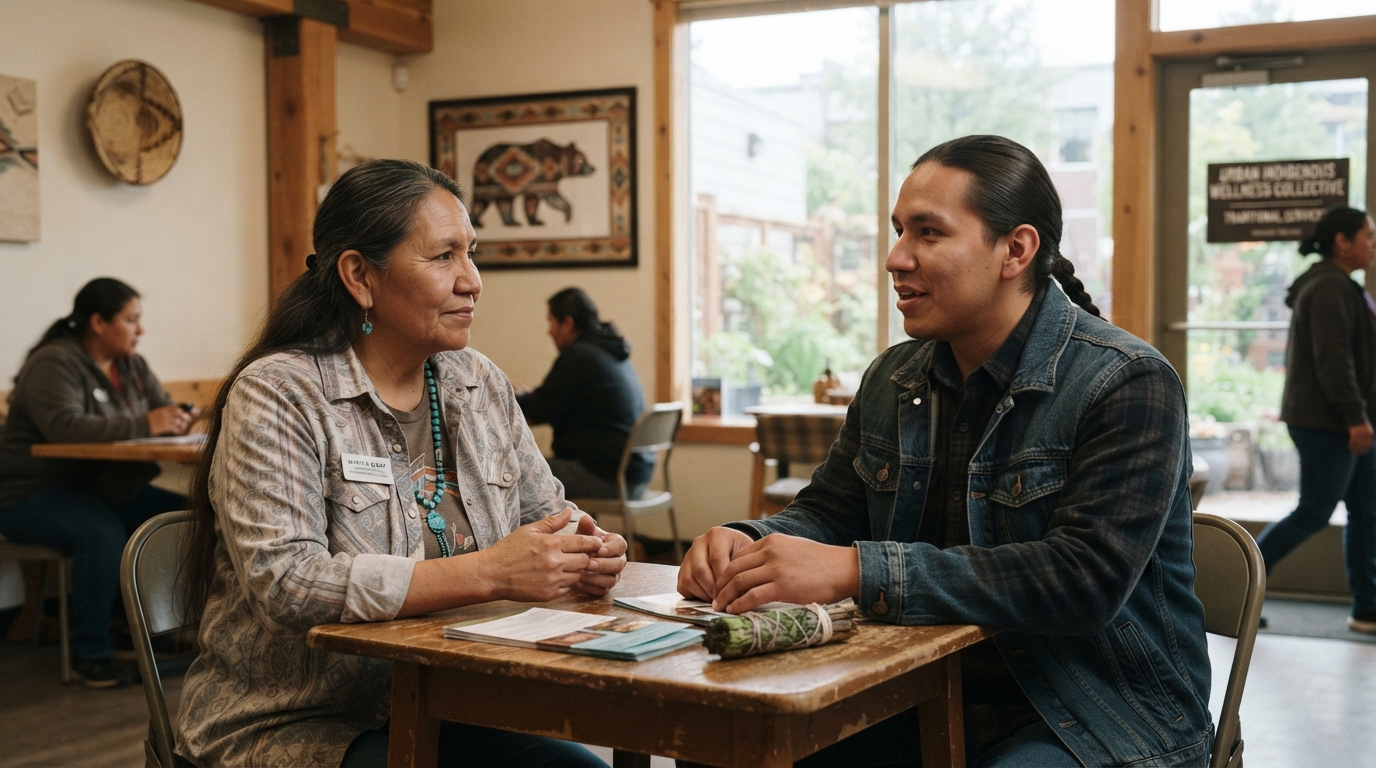
Utah's Section 1115 waiver, which took effect Oct. 1 and runs through Sept. 30, 2031, allows Native health providers to bill Medicaid for practices such as sweat lodge ceremonies and community events like canoe journeys. The federal approval cited studies suggesting traditional healing can reduce symptoms of depression, anxiety, and post-traumatic stress, as well as potential physical health benefits.
Matt Poss, executive director of the Urban Indian Center of Salt Lake, stated that Native health is not just about visiting a clinic for a vaccine or seeing a provider.
Because urban Indian organizations serve Native people living far from reservations, the reimbursement gap creates challenges. While Medicaid services delivered through the Indian Health Service and tribal facilities are paid with 100% federal funds due to federal trust responsibilities, urban organizations do not receive that same rate under Utah's approval. This may require Utah to pay a larger share of costs, which could affect how widely these services are offered.
Utah joins Arizona, California, Maine, New Mexico, and Oregon as one of six states that allow Medicaid to pay for Native American traditional healing.
The decision comes amid broader pressure on Native health programs. The 2025 budget law's work requirements and eligibility limits are expected to leave approximately 10 million more people uninsured, including about 7.5 million in Medicaid. Although Native Americans are exempt from these work requirements, leaders expressed concern regarding wrongful disenrollments that could cut off care.
The next decision point involves California's waiver, which expires Dec. 31 without renewal. MedicalDaily will report on any change to Utah's urban reimbursement and the CMS decision regarding California.