Drought conditions persist across much of the Intermountain West due to record-breaking heat and insufficient monsoon rainfall, according to a report published August 20. The U.S. Drought Monitor indicates that nearly 95% of the region is experiencing some form of drought, with approximately 30% categorized as either Extreme or Exceptional drought.
Record-high temperatures have contributed to the rapid drying of the landscape. According to the report, nearly every county in the Intermountain West has experienced its warmest year on record. July was noted as the second warmest month on record for Utah.
Water storage levels across the Colorado River and Rio Grande Basins have reached historic lows. Lake Mead has dropped to its lowest water level since it was filled in 1937, and Lake Powell is at 22% capacity. In Colorado, the Blue Mesa Reservoir is at approximately 24% capacity and may be unable to generate hydropower by the end of 2026. In New Mexico, Elephant Butte Reservoir has fallen to 1.4% capacity, causing an 82-mile section of the Middle Rio Grande to dry up.
The lack of water has significant impacts on agriculture and public safety. Producers are reporting limited livestock feed due to poor pasture conditions, leading some to cull animals. Additionally, dry vegetation has increased fuel loads, contributing to a surge in large wildfires and elevated fire danger across the region.
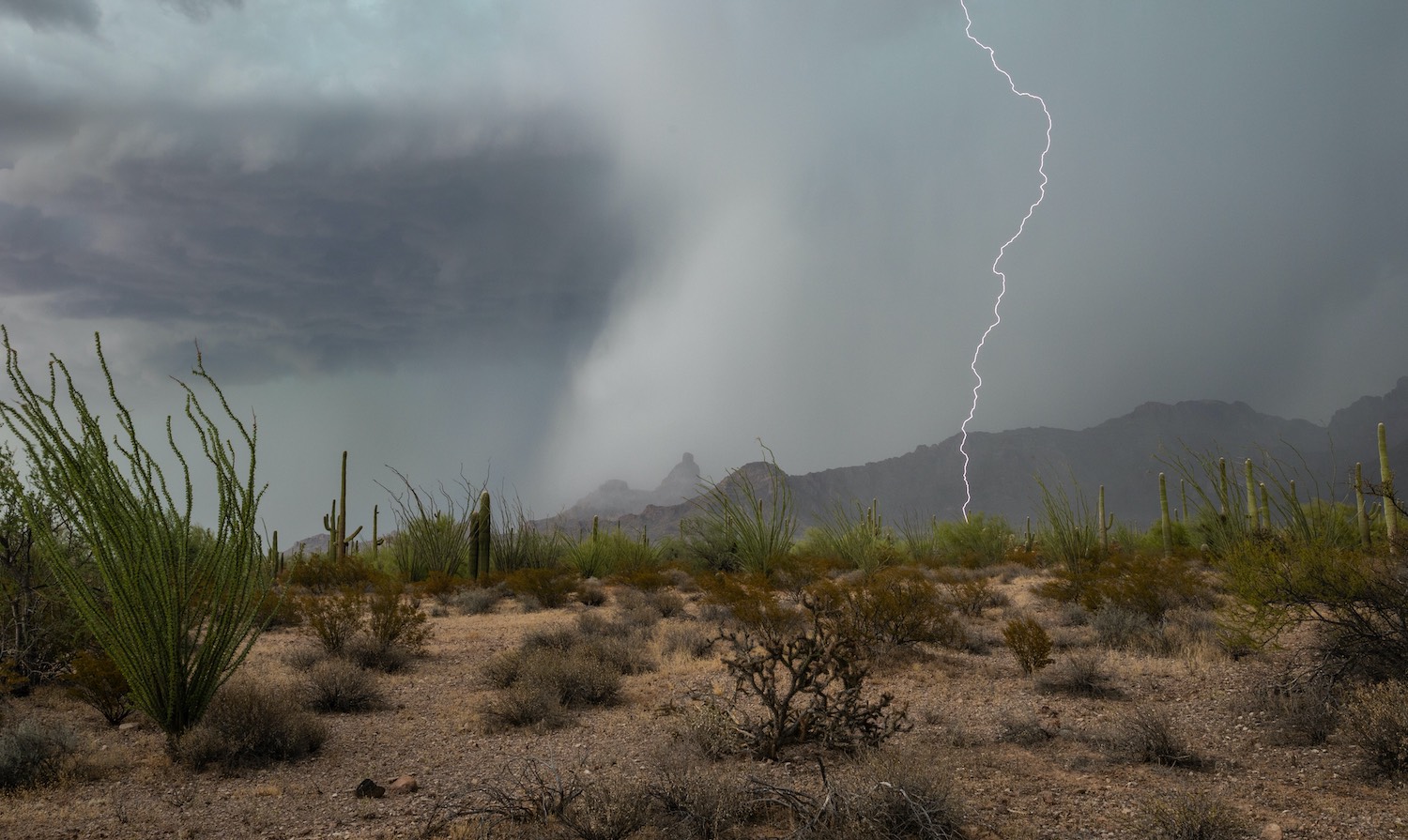
While monsoon rains in July provided some relief in parts of Utah, Arizona, and Colorado, these storms were isolated and have not provided meaningful improvements to the overall regional water supply.
Looking ahead, NOAA outlooks suggest that above-normal temperatures may persist over the next two weeks, which could exacerbate existing dryness. While drought conditions are anticipated to remain, they may improve through November. There is also a greater than 90% chance of a very strong El Niño event during the fall and winter of 2026-27, which historically suggests wetter conditions for the Intermountain West during the autumn.