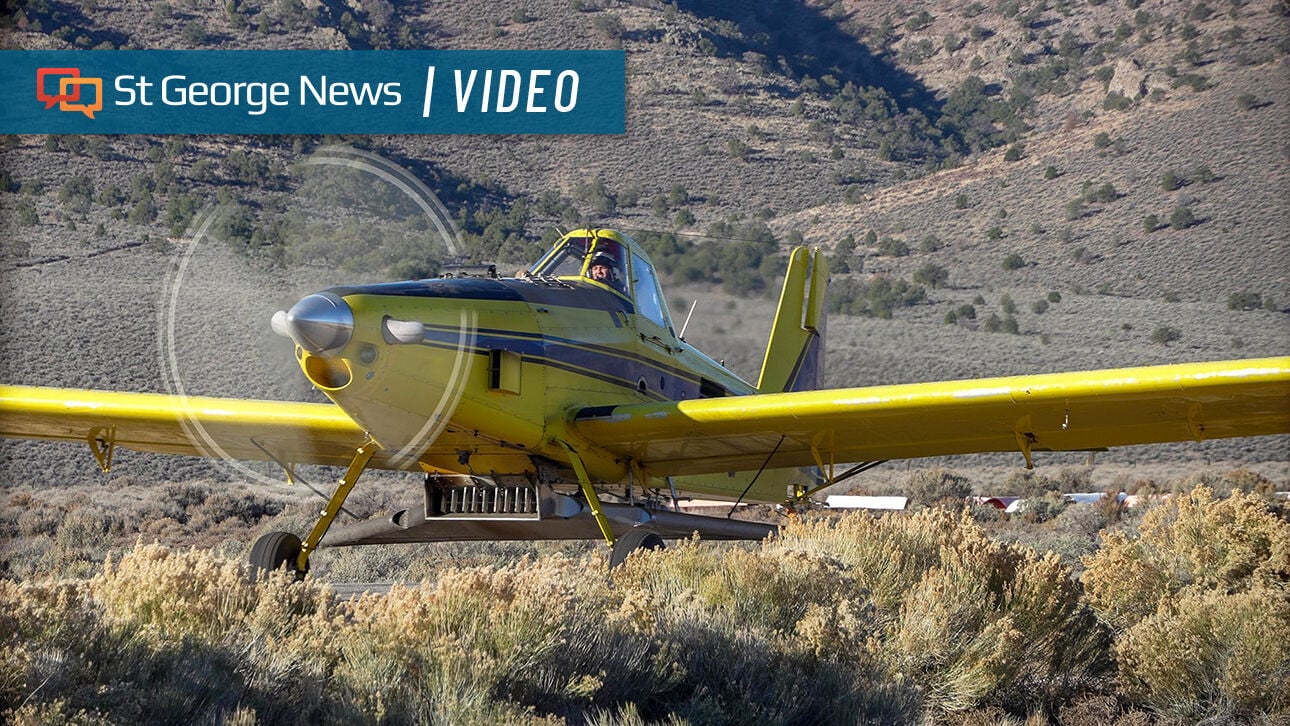
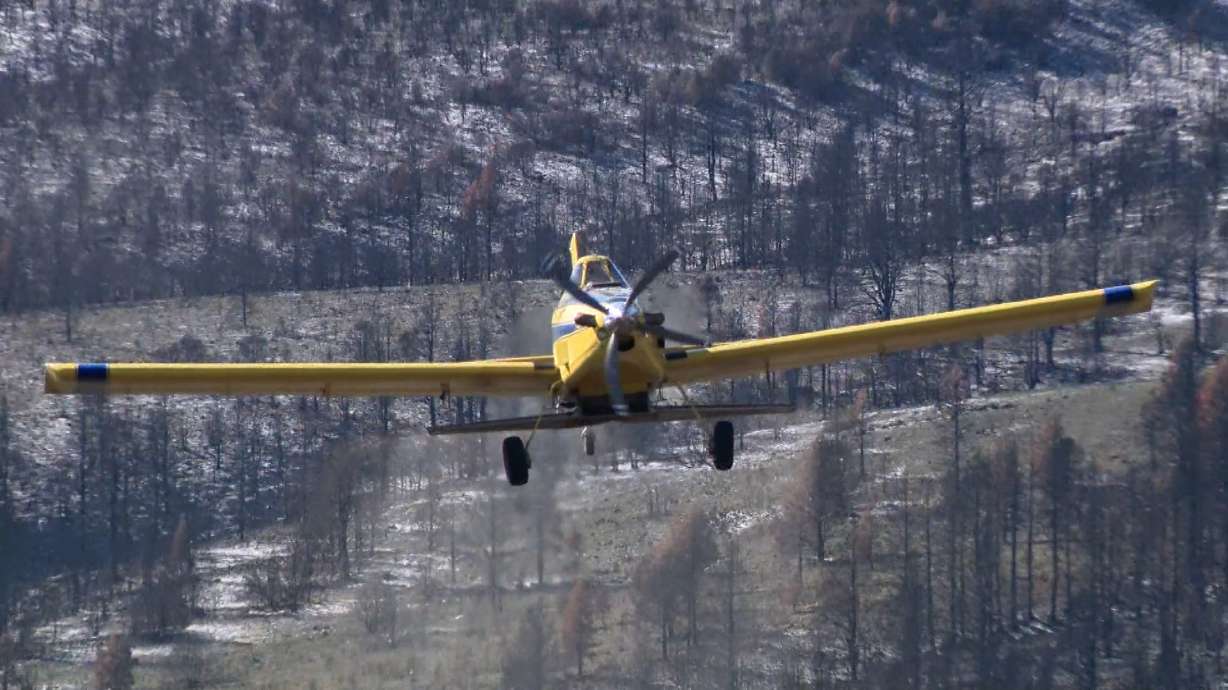
The Utah Division of Wildlife Resources has launched an extensive restoration project to rehabilitate approximately 97,464 acres of land burned by the Cottonwood Fire. The initiative, supported by a $5,137,719 funding package, aims to stabilize soils and restore native vegetation in the burn scar located east of Beaver, following devastating flooding and property loss in the region.
Scope of Fire Damage
The Cottonwood Wildfire Project, which is currently in its first phase of post-fire monitoring, targets a landscape that was heavily impacted when the fire began on June 22 near the Cottonwood Campground off Highway 153. The blaze spread rapidly through Beaver and Piute Counties, affecting areas including Hilo Estates, Merchant Valley, and Eagle Point in Beaver Canyon.
Impact on Wildlife Habitat
The wildfire's impact on local wildlife habitat has been significant. The fire burned approximately 97,464 acres of mapped deer habitat and 97,365 acres of mapped elk habitat on the Beaver Wildlife Management Unit. This represents about 20% of the available deer habitat and 22% of the available elk habitat on the unit. The summer range was particularly hard hit, with the fire consuming 35% of mule deer and 34% of elk summer range.
Flood and Erosion Risks
Beyond the direct loss of vegetation, the fire left the landscape vulnerable to secondary environmental threats. Following the fire, the region experienced substantial flooding and debris flows that impacted the town of Beaver on July 19, with repeated flooding events continuing through late July and August 2026. These events blocked access through Beaver Canyon and caused severe damage to property.
Restoration Objectives
To combat these risks, the project will focus on several key objectives: stabilizing soils to prevent erosion and reduce downstream flood risks, providing forage for livestock grazing, and restoring habitats for wildlife, particularly the winter range for mule deer and elk. The project also seeks to promote reforestation and prevent the spread of invasive annual grasses that often colonize disturbed soils.
Funding and Authority
The restoration effort is backed by significant financial investment. A grant from the Department of Agriculture (USDA) through the Forest Service, specifically the Fishlake National Forest, has obligated $3,747,480.00 toward the project. When combined with $1,390,239.00 in non-federal funding, the total project funding reaches $5,137,719.00. This federal assistance is being provided under the Good Neighbor Authority, which allows the Forest Service to authorize states to conduct management projects on federal lands.
Collaborative Management
The project involves a collaborative effort between several agencies. The Utah Division of Wildlife Resources is the lead agency, working alongside the U.S. Forest Service's Fishlake National Forest Beaver Ranger District. Other collaborators include the Utah Division of Forestry, Fire and State Lands, and the Bureau of Land Management (BLM). The project area encompasses landownerships including the USFS, BLM, SITLA, and various private properties.
Long-term Conservation Goals
The long-term goals of the initiative are tied to the Utah Division of Wildlife Resources Statewide Management Plan for Mule Deer 2025-2030. This plan aims to improve the quality and quantity of vegetation for mule deer on at least 600,000 acres of crucial range by 2030. Conservationists noted that timely action is critical to prevent invasive species from pushing the area past an ecological threshold that would make native vegetation recovery difficult.