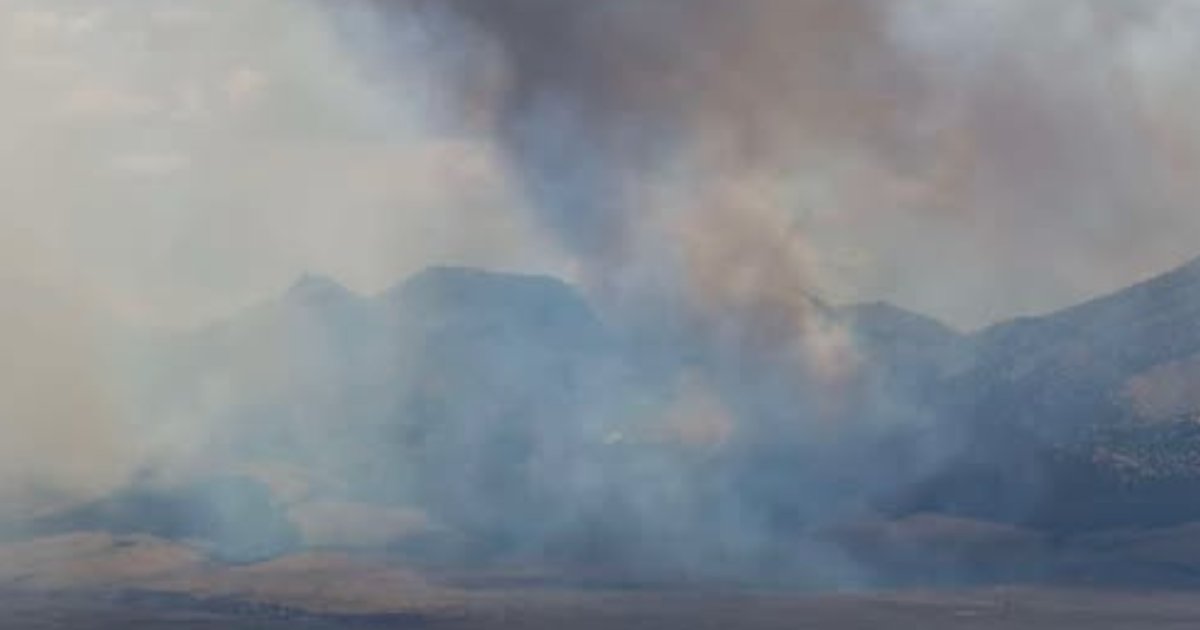
The Cottonwood Fire has expanded to approximately 71,84 and acres in southern Utah, becoming the largest active wildfire in the United States as extreme winds and critical drought conditions continue to drive the blaze near Beaver. The fire, which ignited on June 22, 2026, remains 0% contained as it moves through dense timber in the Fishlake National Forest.
Fire origin and behavior
The fire ignited on the afternoon of Monday, June 22, 2026, near State Route 153 around Mile Marker 5 in the Fishlake National Forest area. According to reports from the Cottonwood Fire Map, the blaze has exhibited extreme behavior, including crown runs and spotting, fueled by sustained southwest winds of 35 mph with gusts reaching as high as 55 mph.
Environmental factors driving growth
As The Salt Lake Tribune reported, the fire's growth has been so significant that it now covers an area comparable to the size of Philadelphia. The rapid spread is being exacerbated by critically low humidity and extremely dry vegetation following Utah's warmest winter on record and a record-low snowpack in the Beaver basin, which reached zero inches by early May.
Evacuation orders and warnings
Mandatory Level 3 "Go" evacuation orders are currently in effect for residents of Eagle Point Resort, Merchant Valley, HiLo Estates, and Arrowhead Summer Homes. Additionally, approximately 1,300 residents in the communities of Marysvale, Junction, and Circleville have been placed under evacuation warnings, instructing them to prepare for potential movement.
Road closures and travel directions
Evacuees from mandatory zones have been directed to travel east toward the town of Junction. Authorities have also implemented heavy closures on State Route 153 and advised residents to avoid all roads leading toward the fire area, including B Bench Road and routes east of Beaver City, to ensure emergency personnel can operate safely.
Damage to structures and property
The impact on local infrastructure and property has been severe. State officials estimate that dozens of structures have already been destroyed, including parts of the Eagle Point ski resort, though some lodges and chairlift buildings remain standing. Hundreds of other mountain cabins and secondary homes are currently threatened by the advancing flames.
Beyond structural damage, the fire has devastated local agriculture and wildlife, resulting in the deaths of countless livestock. Governor Spencer Cox noted that the event could become one of the most destructive fires in Utah's history. The fire has also caused significant environmental impacts, with massive smoke plumes pushing east and northeast, creating hazy conditions in Zion and Bryce Canyon National Parks and affecting air quality as far away as Salt Lake City, Moab, and parts of Colorado.
The National Weather Service in Salt Lake City has issued a rare "Particularly Dangerous Situation" (PDS) Red Flag Warning for five Utah counties, including the Beaver area. Forecasters have warned of 48 hours of critical fire weather characterized by single-digit humidity and high wind gusts, conditions not seen in the state in five years.
While the primary focus remains on the Cottonwood Fire, the National Weather Service Weather Prediction Center issued a discussion on June 27, 20ng, noting that onshore flow would help produce rain over parts of the Pacific Northwest and into the Northern Intermountain Region. However, the immediate threat in southern Utah remains dominated by the extreme fire weather driving the Cottonwood blaze.
The cause of the Cottonwood Fire is confirmed to be human-caused, though investigators have not yet determined the exact ignition source. State officials noted that over 75% of Utah's wildfires this year have been sparked by human activity.
In response to the extreme conditions, Rocky Mountain Power has issued a Public Safety Power Shutoff (PSPS) watch and warning for areas in central, southern, and eastern Utah. This proactive measure may result in the de-energization of power lines to prevent further fire ignition. Additionally, Governor Cox has declared a state of emergency and implemented statewide fireworks restrictions ahead of the July Fourth holiday.
A massive multi-agency response is currently underway, involving Hotshot crews, structural protection teams, heavy equipment, and aircraft. Despite these efforts, extreme winds have occasionally grounded helicopters and air tankers over the last 72 hours, limiting direct attack options in difficult terrain.
Fire managers anticipate that the blaze will continue to grow significantly in the coming days due to a lack of viable containment options on the northwest flanks. The lead agency for the response remains the Forest Service, with the Richfield Interagency Fire Center managing incident details.