Utah legislative leaders are facing mounting pressure to regulate the expansion of data centers as concerns grow over their impact on the state's water resources and the Great Salt Lake. During legislative hearings on Wednesday, Aug. 20, 2026, officials discussed the need for increased constraints on data center development, a move anticipated by House Speaker Mike Schultz to address the environmental and economic impacts of the growing industry.
Legislative Focus on Data Center Regulation
The discussions in the Utah State Legislature come as the state weighs the economic benefits of data centers against the potential for significant water consumption. During testimony before three separate committees on Wednesday, Aug. 20, 2026, state agency leaders addressed various topics, including tax incentives, environmental permitting, and the necessity of coordinating regulation across different state and federal agencies.
Calls for Industry Constraints
House Speaker Mike Schultz told FOX 13 News in an interview on Wednesday, Aug. 20, 2026, that it is likely regulation bills will be introduced during the upcoming legislative session. Schultz noted that additional constraints are necessary for data center developments. He emphasized a unified stance among lawmakers regarding the scale of industrial growth, stating that there is a shared desire to avoid a state saturated with data centers.
"One thing that I think we're united on is we do not want a state full of data centers," Schultz told FOX 13 News on Wednesday, Aug. 20, 2026. He added that lawmakers need a true understanding of the impacts on both the economic side and natural resources, specifically regarding water use.
Public Debate Over Water Use
The push for regulation follows significant public opposition to large-scale projects. During public comment before the Utah State Legislature's Interim Natural Resources Committee, many attendees spoke against data center expansion. Teena Horlacher, a member of the public comment, described the potential for massive water consumption as "highly irresponsible," citing the diminishing levels of the Colorado River as a comparison.
Another resident, Allison Barton, told lawmakers that while she is not necessarily opposed to the industry, the specific location of developments is a critical factor due to environmental impacts. Conversely, some officials expressed support for the industry's economic potential. Alexander D'Angelo, speaking in favor of the projects, argued that the state should focus on asking the correct questions rather than being solely focused on water usage and emissions.
Impact of the Stratos Project
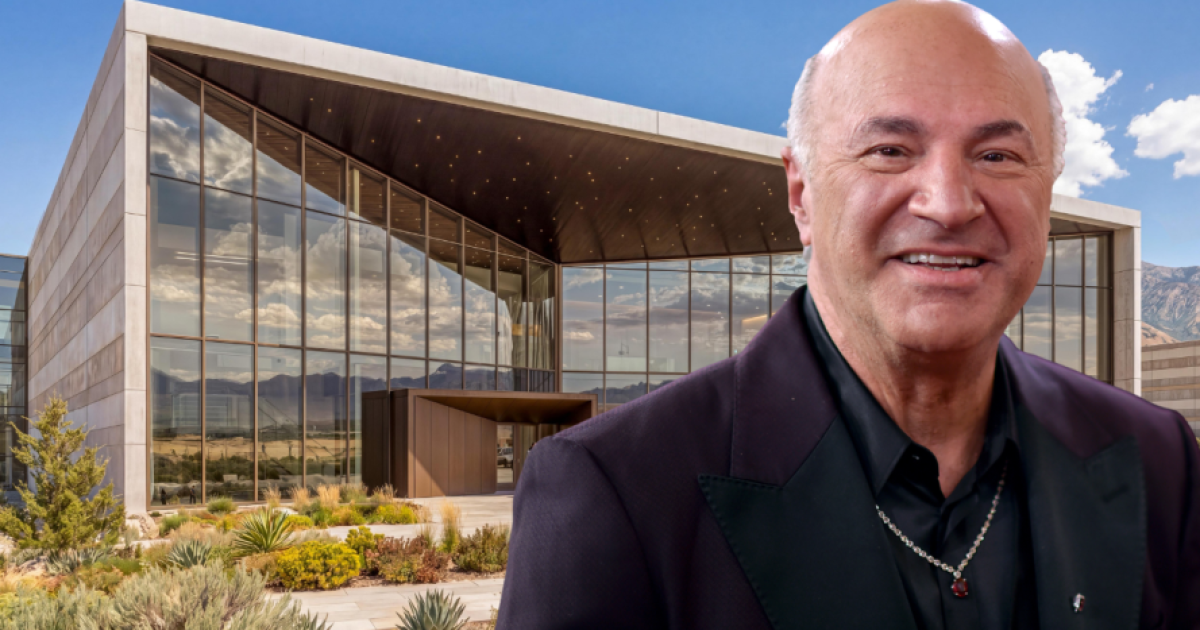
The debate has been fueled by specific high-profile proposals, such as the Stratos Project in Box Elder County. Proposed by investor Kevin O'Leary, the massive data center faced intense scrutiny from critics who argued it was being planned too close to the Great Salt Lake. The project's impact on water rights led to a flood of formal protests to the Utah State Engineer Teresa Wilhelmsen's office.
While the Stratos Project has since withdrawn its water rights application and remains in a state of limbo, the controversy prompted Governor Spencer Cox to issue an executive order establishing guardrails for data center development in Utah. The project's current status is uncertain, though it is expected to resume in the future.
The Great Salt Lake Crisis
Water conservation and the preservation of the Great Salt Lake remain central to Utah's political and environmental discourse. This tension was highlighted by a highly-anticipated report delivered to Utah leaders in December 2023, which recommended various measures to prevent the lake from reaching catastrophic levels. The report, which was delivered to Governor Spencer Cox and legislative leaders, focused on short-term, medium-term, and long-term solutions.
The necessity for such measures stems from the Great Salt Lake hitting its lowest level in recorded history in 2022 due to water diversion, drought, and changing climate patterns. This decline poses significant ecological and economic threats, including toxic dust storms containing naturally occurring arsenic from the exposed lake bed, as well as risks to public health, wildlife, and snowpack levels.
Commissioner Recommendations
In a December 5, 2023, interview with FOX 13 News, Great Salt Lake Commissioner Dr. Brian Steed addressed the challenges of maintaining healthy lake levels. Steed, who heads Utah State University's Lawson Institute for Land, Water & Air, noted that lake conditions had not significantly improved and expressed concern that levels could drop again without intervention. He recommended a healthy lake level range between 4,198 feet and 4,205 feet.
At the time of his interview, the U.S. Geological Survey measured the lake level at the marina at 4,192.3 feet, a level Steed noted was far from the target range. Steed emphasized the importance of ensuring that water saved through conservation programs—such as those for farmers and ranchers—actually reaches the lake rather than being diverted elsewhere.
Long-Term Ecological Concerns
Steed's recommendations included a focus on biological monitoring, specifically regarding brine flies and bird species that rely on them, to ensure the ecological system does not reach a tipping point. He also advocated for 'split season' leasing, a concept that would pay farmers for some of their water to benefit the lake, a move expected to be addressed by the Utah State Legislature.
As the state moves toward new regulations for data centers, the core challenge remains the management of limited water resources. While the state has allocated over $1 billion for water conservation measures, officials like Candice Hasenyager, director of Utah's Division of Water Quality, have called for better coordination between state and federal agencies to manage these vital resources effectively.