Heavy rainfall and flash flooding have triggered a series of emergency measures across Beaver and Piute counties, including boil water advisories and various facility closures. The National Weather Service has issued alerts for the region as officials monitor the impact of intense weather on local water supplies and community safety.
Flash Flood Monitoring
The National Weather Service's Salt Lake City office issued flash flood information on July 15, 2026, highlighting the potential for sudden, dangerous water rises in the area. These weather alerts are part of broader monitoring efforts to ensure public safety during periods of extreme precipitation in Southern Utah.
Public Health Precautions
The flooding has necessitated immediate changes to local utility management. Residents in affected areas of Beaver and Piute counties have been placed under boil water advisories to prevent illness from potentially contaminated water supplies. These advisories are standard protocol during flooding events when water infrastructure may be compromised by runoff and siltation.
Facility and Area Closures
In addition to water safety concerns, several local facilities and areas have faced closures due to the inclement weather. These closures aim to mitigate the risk to residents and visitors navigating areas prone to rapid inundation or debris flow. Local authorities continue to assess the stability of roads and public spaces within the impacted counties.
Regional Water Sources
The environmental landscape of central Utah remains a significant factor in how these weather events impact the region. The Fishlake National Forest, which spans 1.8 million acres in central Utah, serves as a vital source of water for many neighboring communities and agricultural valleys. The forest's complex topography, featuring alpine lakes and mountain meadows, can influence how precipitation flows into the valleys below.
Post-Fire Assessment
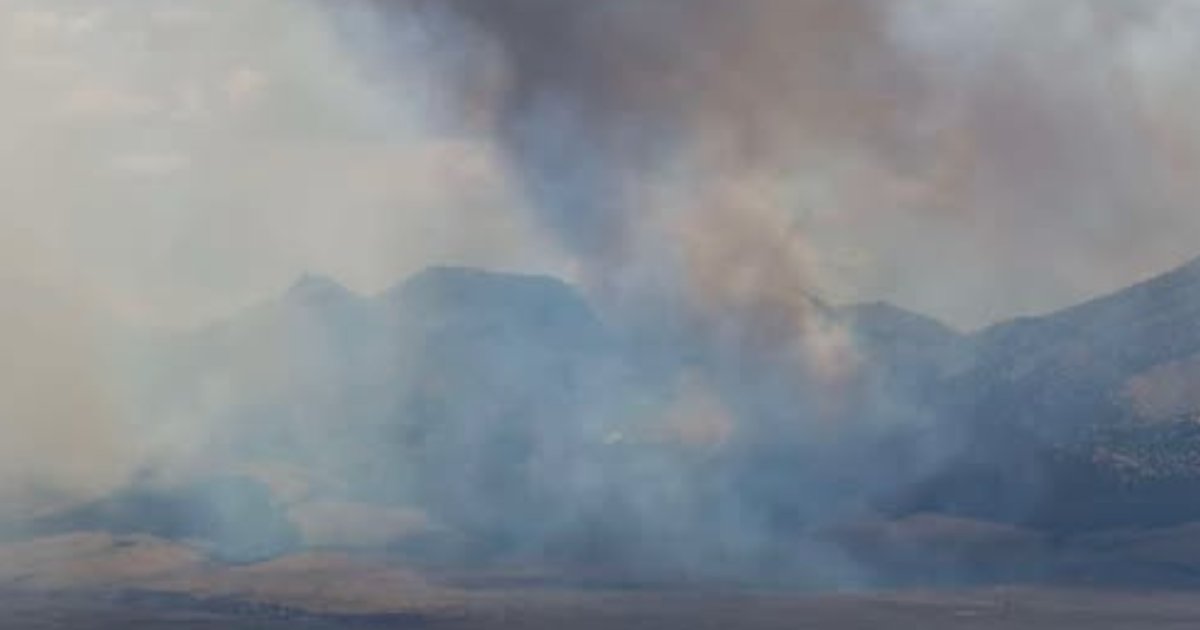
The importance of the Fishlake National Forest to the local watershed was underscored as the U.S. Forest Service began conducting post-fire assessments on July 14, 2026. Following previous fire activity, the agency is working to evaluate the landscape's ability to manage water runoff, a task made more critical by the recent heavy rainfall and flash flood risks reported by the National Weather Service.
Ongoing Monitoring
As the weather patterns continue to shift, the National Weather Service remains engaged in providing real-time data through various monitoring tools. This includes enhanced radar coverage in Cedar City and Salt Lake City to track precipitation intensity. Residents are encouraged to monitor local updates for changes to boil water advisories or new flash flood warnings.