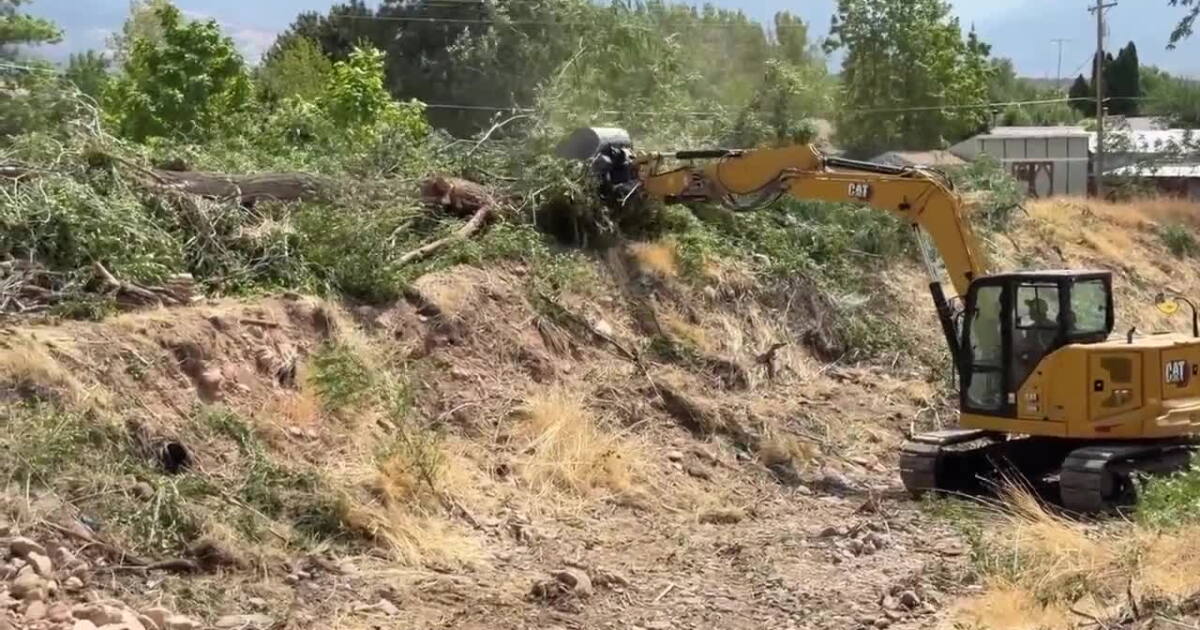
Wildfires near Utah State University have triggered overnight evacuations and road closures in the Logan and Cache Valley areas, prompting local emergency management officials to urge residents to prepare for rapid fire spread due to dry conditions and strong winds. The Logan City Fire Department and Cache County emergency services are coordinating to manage the growing threat to the community and surrounding natural resources.
The Logan City Fire Department is actively responding to the situation, providing fire protection and emergency medical services to Logan, North Logan, Providence, and River Heights. According to the department, firefighters are licensed Advanced Emergency Medical Technicians, Paramedics, or Critical Care Paramedics. Many crews are also certified in specialized operation responses, including Wildland Fire and Hazardous Materials, to address the specific challenges posed by the current wildfire conditions.
To support the response, the department utilizes several specialized stations. Station 71, known as the Campus Station, covers northeast Logan, including the entirety of the Utah State University campus. This station houses the Heavy Rescue unit and is staffed by the Technical Rescue Team, which specializes in complex rescue techniques such as rope, confined space, and structural or trench collapse. Station 70, the Downtown Station, serves central Logan and River Heights and houses the 107-foot ladder truck.
Cache County Emergency Management is overseeing the broader regional response, managing the day-to-day operations of the Emergency Operations Center (E.O.C.). The E.O.C. serves as the centralized location for government and emergency management agencies to coordinate response efforts, gather critical information, and allocate resources during major incidents.
As the situation evolves, Cache County officials recommend that residents use the cachecountyalert.org website for real-time updates and essential information. For those unable to access digital platforms, emergency information is also broadcast on the Cache County Emergency Management radio station, WQKB (1610 AM). The county also utilizes the Amateur Radio Emergency Service (ARES) to maintain communication lines when traditional phone or internet infrastructure fails.
The current wildfire risk is exacerbated by environmental factors. According to Cache County, dry conditions, strong winds, and high vegetation levels significantly increase the risk of rapid fire spread, which can threaten lives, homes, and natural resources. To mitigate these risks, the county advises residents to create defensible space by clearing dry grass and flammable materials from around their homes.
Emergency management officials emphasize the importance of preparedness, including the creation of 72-hour emergency kits containing food, water, medications, and important documents. The county also encourages residents to develop and practice a family evacuation plan with multiple routes and to sign up for local emergency alerts to receive immediate notifications regarding ongoing threats.
Utah State University has activated its emergency protocols to ensure the safety of the campus community. The university utilizes the Aggie Alerts system to send direct notifications regarding severe weather, ongoing threats, or safety concerns on or near campus. These alerts are delivered via email, text, or the Aggie Safe App.
USU Public Safety categorizes notifications into three types: Emergency Notifications for immediate threats like dangerous weather or gas leaks; Crime Alerts/Timely Warnings for information regarding crimes on campus; and Safety Alerts for general concerns such as weather-related campus closures or public health issues. The university encourages all faculty, staff, and students to update their mobile numbers in the MyID system to ensure they receive critical information through these channels.
Local law enforcement remains on high alert as the fire threat continues. The Logan City Police Department, which serves the local community, has been active in managing public safety and disseminating information.
Logan City Mayor Mark A. Anderson, an alumnus of Utah State University, has previously highlighted the importance of the local workforce and the dedicated employees who maintain the safety and vitality of the Cache Valley region. As emergency services continue to manage the wildfire response, the coordination between the Logan City Fire Department, the Logan City Police Department, and Cache County Emergency Management remains central to the community's resilience.
Current wildfire preparedness guidelines from Cache County highlight the importance of self-sufficiency. Residents are urged to follow evacuation orders immediately and to wear protective clothing to avoid smoke exposure. The county continues to work with partners like the Red Cross and the Bridgerland Amateur Radio Club ARES Team to enhance community resilience during these critical periods.