
The Park City Council on Nov. 19 proclaimed Nov. 28 as Small Business Saturday, urging residents to spend at locally owned businesses the day after Thanksgiving, the Park Record's Jay Hamburger reported. Council members approved the resolution without discussion, continuing a proclamation the city adopts most years.
Resolution Language
A staff report prepared for the meeting said small businesses sustain Park City and credited owners, entrepreneurs and employees with supporting the local economy. The resolution cited a national estimate that 68 cents from each small-business dollar remains in the community, with another 48 cents generated when employees and shops buy locally. It called on residents in Park City and in other communities to back merchants on Nov. 28 and during the rest of the year.
Shop-Local Campaign
The Park City Chamber/Bureau will pair the day with a shop-local push and a media campaign, President and CEO Jennifer Wesselhoff said. She said owners in the resort town face large seasonal swings, high commercial rents and a severe shortage of workforce housing, and that the businesses need customer support past December. “Small Business Saturday is a great reminder, but supporting local has to be a habit, not a once-a-year event,” Wesselhoff said, according to the Park Record. American Express started the observance in 2010 while the Great Recession's effects were still being felt, Hamburger reported. Sales from late November through Christmas can still lift Park City retailers as they wait for skier crowds, though the main ski-season months are often the stronger stretch.
Bonanza Park Vote
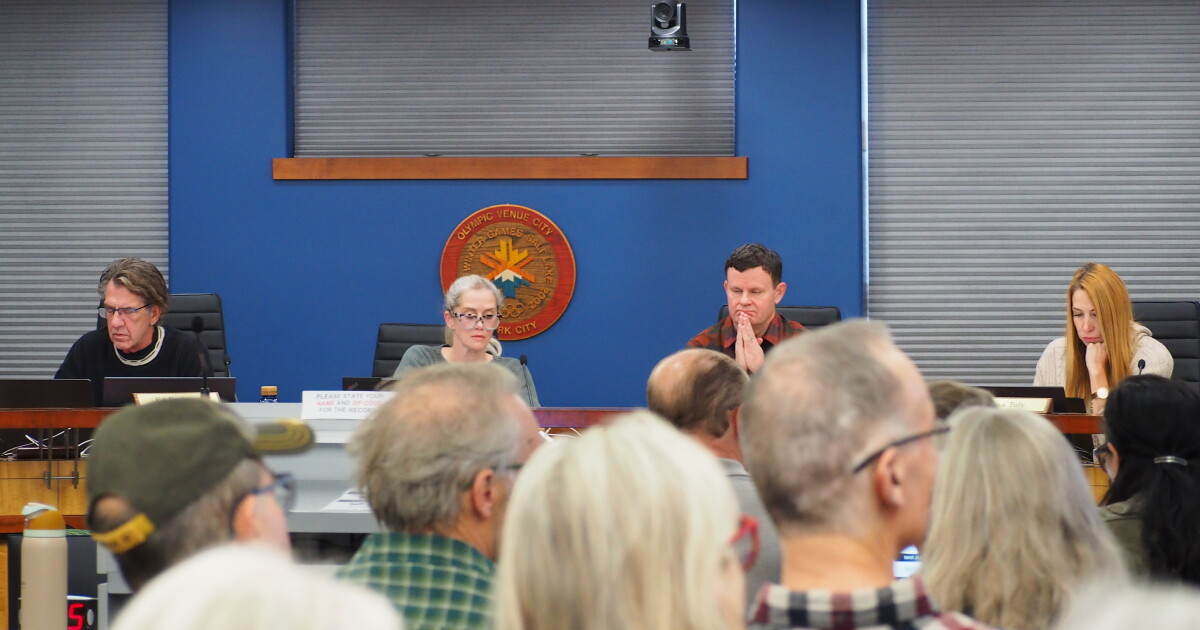
On Nov. 13, a majority of the council dropped Brinshore Development's proposal for the city's 5-acre parcel at Bonanza Drive and Kearns Boulevard, KPCW's Connor Thomas reported. Bill Ciraco, Tana Toly and Diego Zegarra said Park City was being asked to subsidize the project with as much as $45 million from hotel and lodging taxes. Ed Parigian and Molly Miller favored moving ahead and revising the plan. The informal vote was 3-2. Mayor Ryan Dickey said the city would end its contract with Brinshore.
Housing Plan and Spending
The Park Record's Don Rogers reported that the council selected Brinshore in July 2025. Council members later voted 4-1, with Toly dissenting, to forward the concept to the Planning Commission. KPCW reported that preliminary approval came eight months before the Nov. 13 meeting. Brinshore's last revision lowered rentals from 106 units to 100, left 88 of them income-restricted, cut underground parking from 288 spaces to 230 and retained about 2 acres of open space, Rogers reported. The proposal also set aside more than 30,000 square feet for retail, restaurants, cafes and nonprofit art uses, along with a childcare space.
Park City bought the land in 2017 for an arts and culture district linked to the Sundance Institute's Utah headquarters and the Kimball Art Center, according to the Park Record. The art center said in July 2025 that it would relocate to the former Dakota Pacific property near Kimball Junction. Toly said that move left the project without its anchor. Miller, who wanted the housing plan to continue, said only 12% of the workforce lives in the city. “I think the haves have spoken, and they don't want the have-nots here in town,” Parigian said, according to KPCW.
PLACE PC campaigned against the development and gave the council a petition with 2,399 signatures in late August, Rogers reported. After the Nov. 13 meeting the group said it would back a new effort to decide how the city-owned corner should be used. Opponents filled the council chambers that morning.
KPCW reported the city has spent $24.4 million on the property, a sum that includes a $19.5 million land purchase, more than $4.4 million for design and development, and almost $500,000 for maintenance. The Park Record reported the city has committed $72 million, with rising construction costs, higher interest rates and weaker room-tax estimates adding pressure. Reimbursing Brinshore for third-party bills, already nearing $500,000, could reach $1 million if the agreement ends, Rogers reported.


