Utah is expected to receive $212 million in installments over the next decade as part of a $12.2 billion settlement with Meta to address social media addiction and mental health issues among young people. The payout follows a massive lawsuit involving Utah and 45 other states regarding the addictive nature of platforms like Facebook and Instagram.
Meta Settlement Terms
The settlement agreement, which involves Meta—the parent company of Instagram—requires the social media giant to change how its platforms operate to reduce addictive qualities. According to a Aug. 29, 2026, editorial by The Salt Lake Tribune, the settlement comes after Meta essentially admitted that its platforms are damaging to the sensitive psyches of teenagers and younger users.
While the $12.2 billion total represents a fraction of Meta's $1.47 trillion market capitalization, the funds are intended to provide relief for the specific harms caused by social media. Utah officials expect to receive its portion of the damages through installments distributed over the next ten years.
Oversight of Funds
Utah Governor Spencer Cox and Attorney General Derek Brown have pledged to ensure that the proposed changes to Meta's platforms are implemented. These changes include limiting the specific hours during which young people can access the platforms and restricting the amount of private information gathered by the company.
As The Salt Lake Tribune reported on Aug. 29, 2026, there is significant pressure on the Utah Legislature and state voters to ensure the funds are used for their intended purposes. The editorial board emphasized that the money should be used to remedy specific social media-related woes, such as addiction and mental health struggles, rather than being diverted to other budget gaps, pet projects, or tax cuts.
Legislative Background
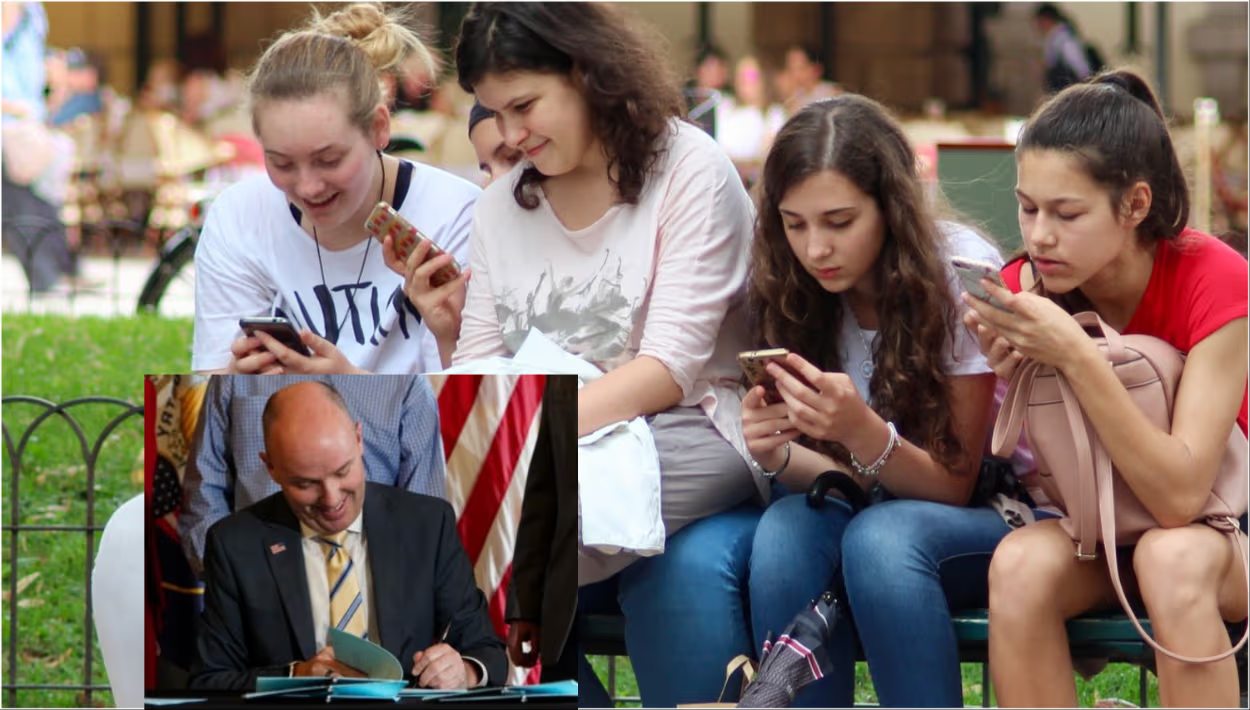
The push for social media regulation in Utah began several years ago. On March 27, 2023, Governor Cox signed the Social Media Regulation Act, making Utah the first state in the country to restrict social media access for minors. This legislation, which went into effect in March 2024, was designed to protect children from the harmful effects of social media on mental health.
During the signing of that legislation in 2023, Governor Cox stated, "We are no longer willing to allow social media companies to continue harming the mental health of our youth." He also noted that rising depression and other mental health issues among young people were directly linked to social media use, stating, "As leaders and parents, we have the responsibility to protect our young people."
Early Regulatory Challenges
The 2023 legislation introduced several specific protections, including a requirement for minors to obtain parental permission to use apps like TikTok, Facebook, or Instagram. The law also established a curfew, prohibiting anyone under the age of 18 from accessing social media applications between 10:30 p.m. and 6:30 a.m.
However, the 2023 law faced criticism from advocacy groups and organizations like Common Sense Media. Some experts warned that the law could inadvertently jeopardize the privacy of certain minors, specifically LGBTQ+ children, if parents were given full access to their private messages and digital interactions.
Mental Health Expert Perspectives
Mental health professionals have long warned about the risks associated with unmonitored social media use. In 2023, psychologist Lourdes Ramos noted that the restriction of social media could be highly beneficial for children, noting that the lack of parental supervision and the presence of misinformation on these platforms pose significant risks.
Psychotherapist Maribel Dennstedt also commented on the risks, stating that social media can cause anxiety and panic in sensitive individuals. Dennstedt noted that children often lose their innocence by being exposed to content that is inappropriate for their age, and emphasized the necessity of interaction between parents or guardians to mitigate these risks.
Future Implications
The long-term impact of the Meta settlement will depend on how Utah utilizes the $212 million. The Salt Lake Tribune editorial board suggested that the funds could be effectively used for programs that improve literacy, an area they noted is often undermined by 'doom scrolling.'
As the state prepares to receive these installments, the focus remains on whether the regulatory changes to Meta's algorithms will effectively reduce the psychological toll on the state's youth, and whether the legislative process will maintain the focus on mental health remediation.
Ongoing Challenges
The struggle to balance digital connectivity with mental health safety has been a central theme for Utah leadership for years. From the initial 2023 legislation to the 2026 Meta settlement, the state continues to navigate the complex intersection of technology, privacy, and adolescent well-being.