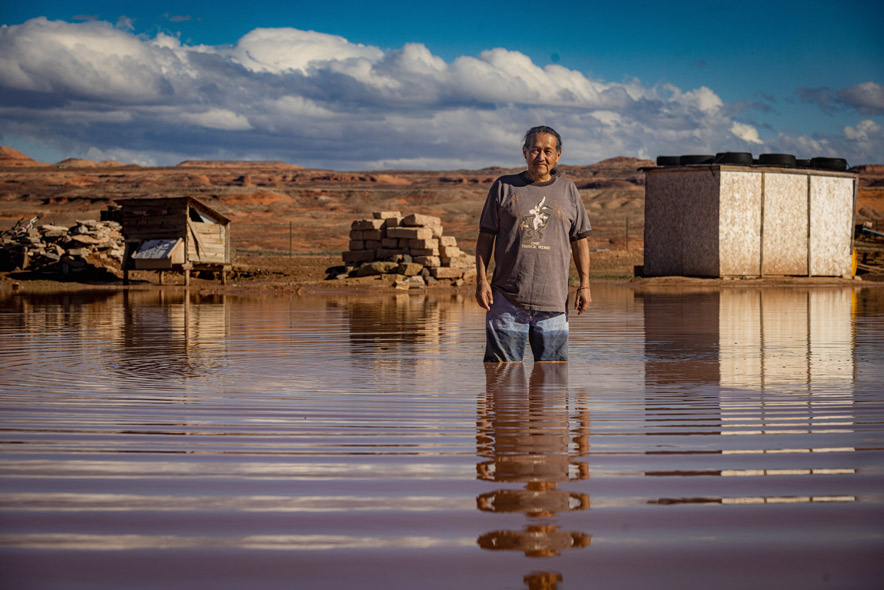
A historic flood event caused by unprecedented precipitation across the Four Corners region has triggered evacuations and significant damage along the San Juan River. While evacuation orders in Bluff, Utah, were lifted early Monday, October 26, residents face ongoing challenges including property damage and potential sewage contamination in the water.
Recovery and Safety Measures
The Town of Bluff lifted its evacuation order at 5:00 a.m. on Monday, October 26, allowing residents and business owners to return to their properties. According to the Utah Division of Emergency Management, several properties on the east side of Bluff, south of Highway 191/Main Street, remained flooded despite the lifting of the order.
While many businesses in Bluff remained untouched by the floodwaters and are ready to welcome guests, officials have advised caution. The Utah Division of Emergency Management warned that water levels in the San Juan River remain elevated and noted that possible sewage contamination poses additional health risks to those near the water.
Community Relief Efforts
The flooding was driven by unprecedented amounts of precipitation received over the week of October 19 in the greater Four Corners region and San Juan County, Utah. A joint statement from the Town of Bluff, San Juan County, and Business Owners of Bluff (BOB) noted that while the waters damaged and destroyed structures, coordinated efforts by local first responders and volunteers helped keep residents safe.
As residents begin the process of surveying damage, the Bluff Community Foundation has established a Flood Relief Fund. According to the foundation, donations to the fund will provide unrestricted financial support to displaced residents for needs such as temporary housing, food, cleaning supplies, and building materials.
River Levels and Flooding
The San Juan River reached critical levels during the storm event. As Navajo Times first reported, the river at Shiprock reached 17.3 feet on Friday, October 23, exceeding the 15.5-foot flood stage. Forecasters had expected the river to reach 20.7 feet late Saturday morning, surpassing the major flood stage of 20.5 feet.
In Farmington, the river reached 14.1 feet on Friday, October 23, breaking the previous record of 12.3 feet set in 1909. The surge caused the river to spread over its floodplain near the U.S. Highway 64 bridges in Shiprock.
Infrastructure and Hazards
The flooding created a hazardous environment due to raw sewage entering the river after rising waters inundated the Bloomfield wastewater treatment plant upstream of Navajo communities. Devin Neeley, a spokesperson for San Juan County, described the San Juan River as a "hazmat situation" and advised the public not to enter the water.
In addition to water contamination, the storms caused significant infrastructure damage across the Navajo Nation. The Navajo Division of Transportation reported that a bridge on N91 near Pinto Tank in the Torreon/Star Lake Chapter was destroyed, and a road in Oljato, Utah, was badly undercut. In Forest Lake, Arizona, a washed-out culvert caused a road to collapse.
Emergency Response Status
San Juan County has declared an emergency and is seeking a presidential disaster declaration. In the Montezuma Creek area, the Utah Navajo Health System established a temporary shelter inside an elementary school gym to assist those impacted.