The Utah Department of Natural Resources, Division of Forestry, Fire and State Lands announced that Stage 2 fire restrictions have been rescinded across Southwest Utah. The decision, effective at 12:01 a.m. on Friday, July 31, 2026, follows moderated fire danger indices and improved weather conditions that have reduced the wildfire hazard in the region.
Rescinded Fire Orders
The rescindment applies to all open fires under the previously enacted Closure Orders SWCLO2631, SWCLO2632, SWCLO2633, SWCLO2634, and SWCLO2635. These orders previously mandated stricter controls to mitigate wildfire risks during periods of heightened danger.
Affected Geographic Areas
The geographic scope of the rescinded Stage 2 orders includes all state lands and all unincorporated private lands within Beaver, Iron, Washington, Garfield, and Kane counties. The state noted that these specific orders do not affect private lands located within incorporated towns or city limits.
Continued Stage 1 Restrictions
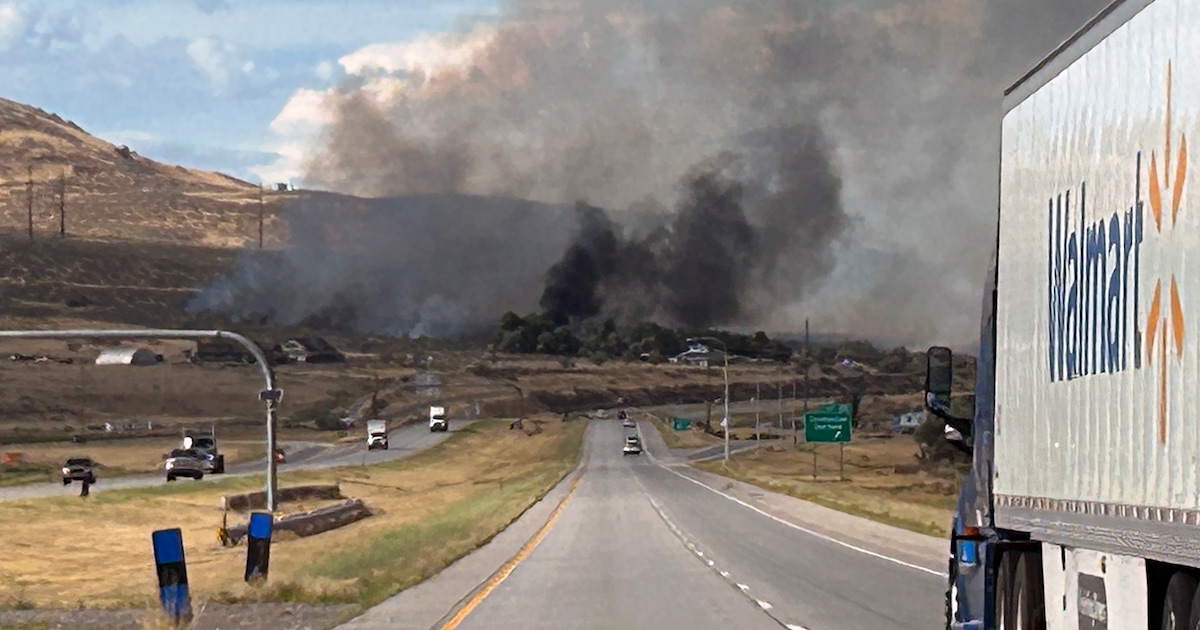
Despite the reduction in Stage 2 restrictions, officials warned that wildfire hazards remain a concern. Fire danger is expected to stay high as the summer months continue. Consequently, Stage 1 fire restrictions established by Closure Orders SWCLO2601, SWCLO2602, SWCLO2603, SWCLO2604, and SWCLO2605 remain in place to manage ongoing risks.
Ongoing Seasonal Risk
The change in fire management levels reflects shifting weather patterns and moderated indices across the state's southern counties. Residents and visitors in the affected areas should remain aware that while the most stringent Stage 2 restrictions have been lifted, the presence of Stage 1 orders indicates that fire danger remains a significant factor for the remainder of the summer season.
Regulatory Oversight
The announcement was issued by the State of Utah Department of Natural Resources through its Division of Forestry, Fire and State Lands. This division manages the regulatory framework for fire restrictions to protect state and unincorporated lands from wildfire threats.
Management of Fire Hazard
The transition from Stage 2 to Stage 1 restrictions marks a shift in the local response to environmental conditions. While the rescindment of the Stage 2 orders provides relief for certain activities, the maintenance of Stage 1 orders serves as a precautionary measure against the anticipated high fire danger throughout the summer months.