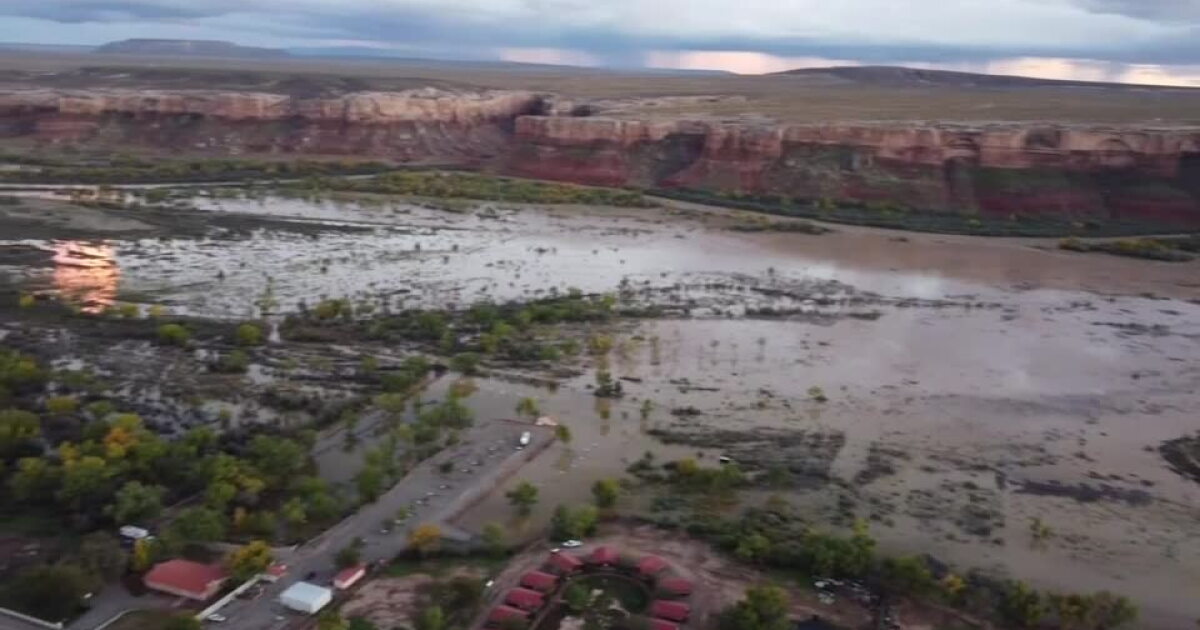
Flooding in San Juan County prompted emergency alerts and school closures on November 2, 2026, according to a report from the Utah Division of Emergency Management (Utah DEM). The flooding caused the closure of Highway 163 west of Bluff and triggered shelter-in-place orders for residents in the Town of Bluff.
In the Town of Bluff, officials issued an emergency alert stating that Cottonwood Wash is flooding. Residents were advised to shelter in place or move to higher ground immediately if safe to do so. Authorities warned residents not to drive or walk through floodwaters and instructed those whose water approaches their homes to move to an upper floor. Residents were advised to keep medications, supplies, and pets with them and to stay away from Cottonwood Wash, the San Juan River, and other flooded areas. An evacuation center was established at Blanding High School.
A significant road closure was reported on Highway 163 west of Bluff near the junction of Highways 163 and 191. The Comb Wash Bridge was reported as washed out, and the area was closed to all traffic. Officials advised the public to avoid the area, obey all road closure signs, use alternate routes, and check UDOT Traffic for updates.
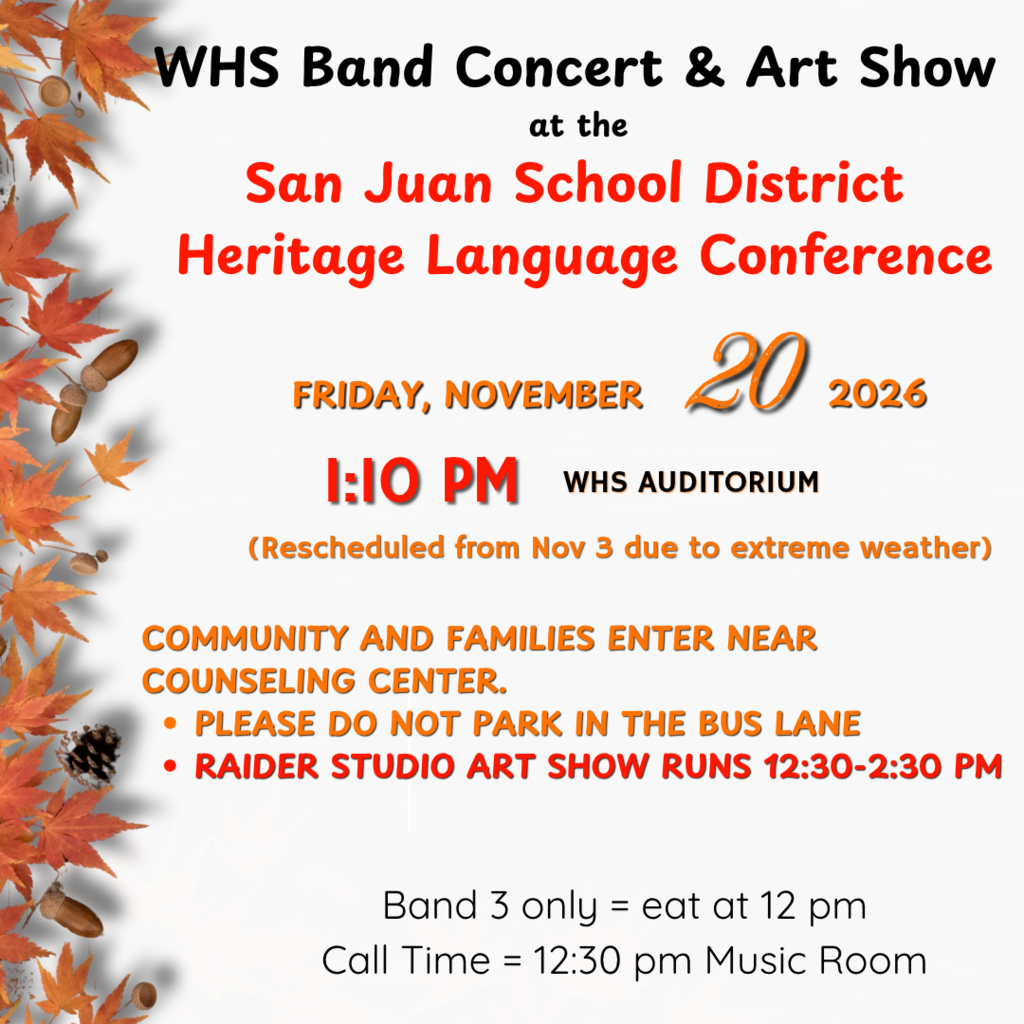
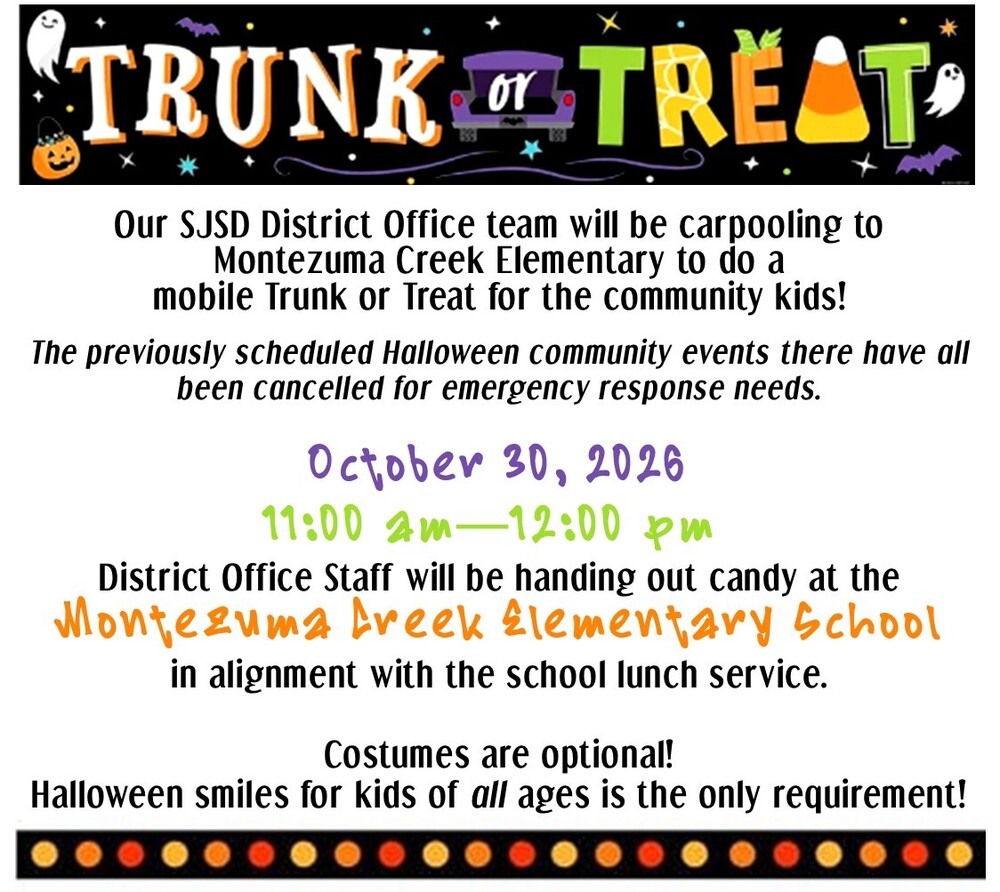
The San Juan School District announced that schools were closed on November 2. Montezuma Creek Schools were scheduled to be closed on November 3, with students participating via virtual learning. For specific information and updates, the district advised checking the school website, email, or the SJSD app.
The Utah Division of Emergency Management noted that recent flooding, severe weather, evacuations, and damage throughout San Juan County have been difficult for residents and families. To assist those feeling overwhelmed, anxious, stressed, or emotionally exhausted, the Disaster Distress Helpline was highlighted. The helpline provides free, confidential emotional support and crisis counseling for disaster-related stress 24 hours a day, 7 days a week in multiple languages.
San Juan County Emergency Management encouraged residents to check on neighbors, friends, and family members, especially those who may be struggling, as the community responds to and recovers from these events.