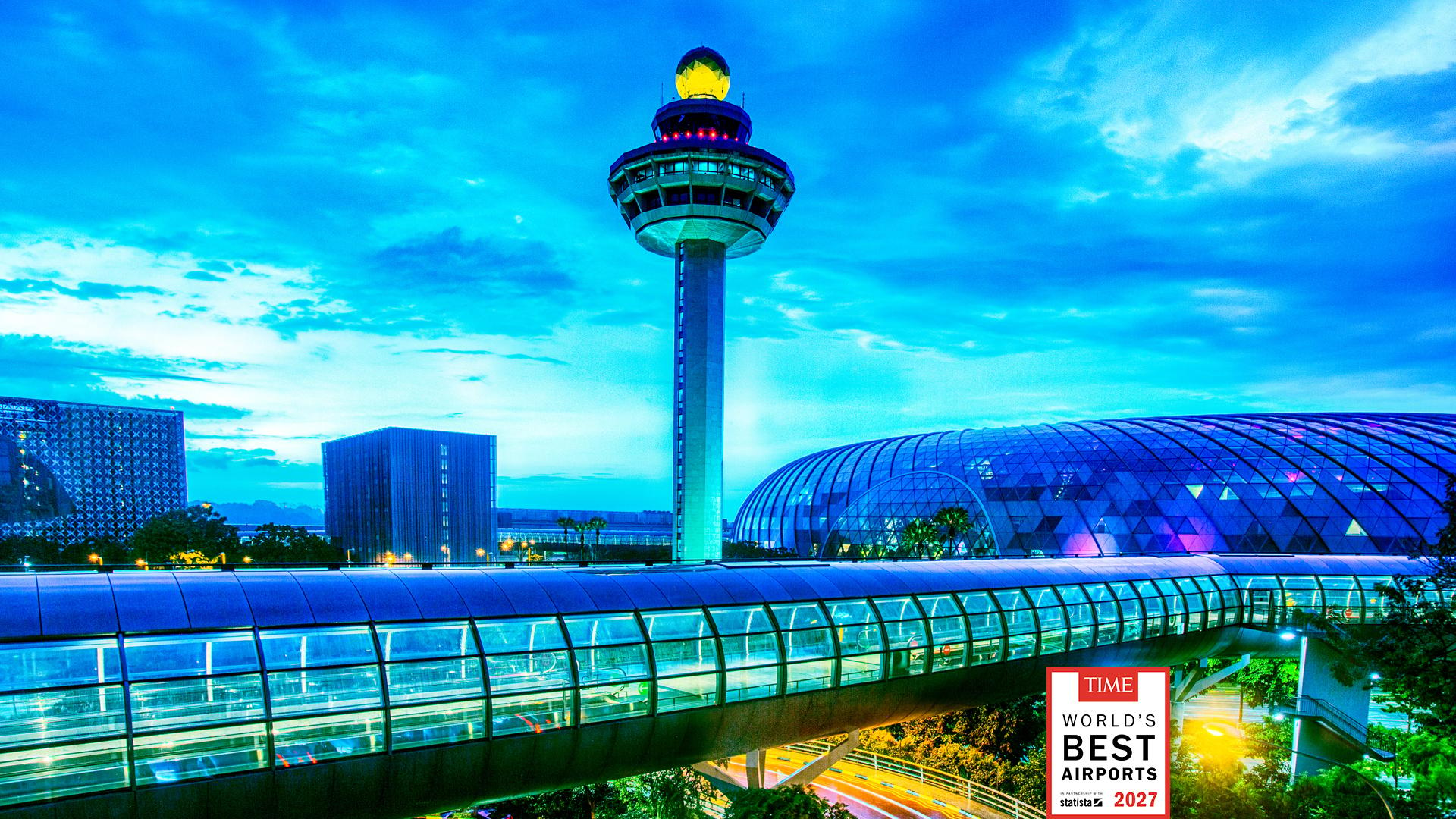
Salt Lake City International Airport has been ranked as the number one large airport in the world for 2027, according to a report published Wednesday, Nov. 18, 2026. The ranking, released by TIME, highlights the facility's performance in a global list of major aviation hubs.
Governor Praises Airport Staff
Utah Governor Spencer Cox expressed his approval of the ranking on Wednesday, Nov. 18, 2026, via a post on X. Cox attributed the top ranking to "good planning and great people" and offered congratulations to the workforce responsible for maintaining operations and making the airport feel like home for travelers.
Ranking Methodology and Criteria
The ranking was part of the first edition of the World's Best Airports list, a project TIME launched in partnership with Statista. The rankings evaluate airports globally based on two primary metrics: consumer surveys regarding passenger experience and independent flight data analysis provided by OAG. The list categorizes airports into various sublists based on their size and specialty.
Global Aviation Economic Trends
The assessment comes amid a period of rising global air travel demand following the lifting of COVID-19 lockdown policies. This increase in demand has coincided with a significant rise in both aeronautical and non-aeronautical revenues for airports worldwide. While aeronautical revenue stems from fees charged to airlines for services such as landing, gate usage, security, maintenance, fuel, and cargo processing, non-aeronautical revenue is generated through parking, concessions, advertising, and rent for airport shops, lounges, and car rentals.
Global Airport Revenue Growth
Industry data highlights the scale of these financial operations. According to the 2023 ACI Airport Economics Report, airports globally generated approximately $158.6 billion in 2019. Following a decline during the pandemic, business has largely returned, with global airport revenues reaching $194.9 billion in 2024.
Comparison of Global Hubs
The TIME report noted that Singapore Changi Airport holds the top spot for the World's Best Major Airports sublist. Seçkin Özkul, an assistant professor and director of the University of South Florida Supply Chain Innovation Lab, stated that some major airports, like Changi, have transformed themselves into destinations or "giant national projects" similar to shopping malls. Özkul noted that the ability to invest in amenities like luxury shopping, hotels, restaurants, pools, and gardens is often tied to funding models; for example, Changi is owned and funded by the national government of Singapore, which allows for different investment incentives compared to the United States, where airports are often owned by cities, counties, or states.
The Role of Smaller Airports
While large hubs focus on passenger experience and amenities, smaller airports serve different strategic roles. Smaller airports can act as regional connectors that tie together local economies and underserved markets, which helps reduce bottlenecks at larger hubs. These smaller facilities can also provide competitive pricing for no-frills budget airlines. For instance, the report mentioned that airlines like Allegiant and Breeze might choose to fly into Provo Airport, located an hour outside of Salt Lake City, rather than Salt Lake City International. Halifax Stanfield International Airport was identified as the top-ranked airport in the World's Best Small Airports sublist, serving as a vital portal between remote Nova Scotia and the rest of the world.
Conclusion
The current ranking highlights the evolving landscape of international aviation, where airports serve as both critical gateways and significant economic drivers for their local communities.