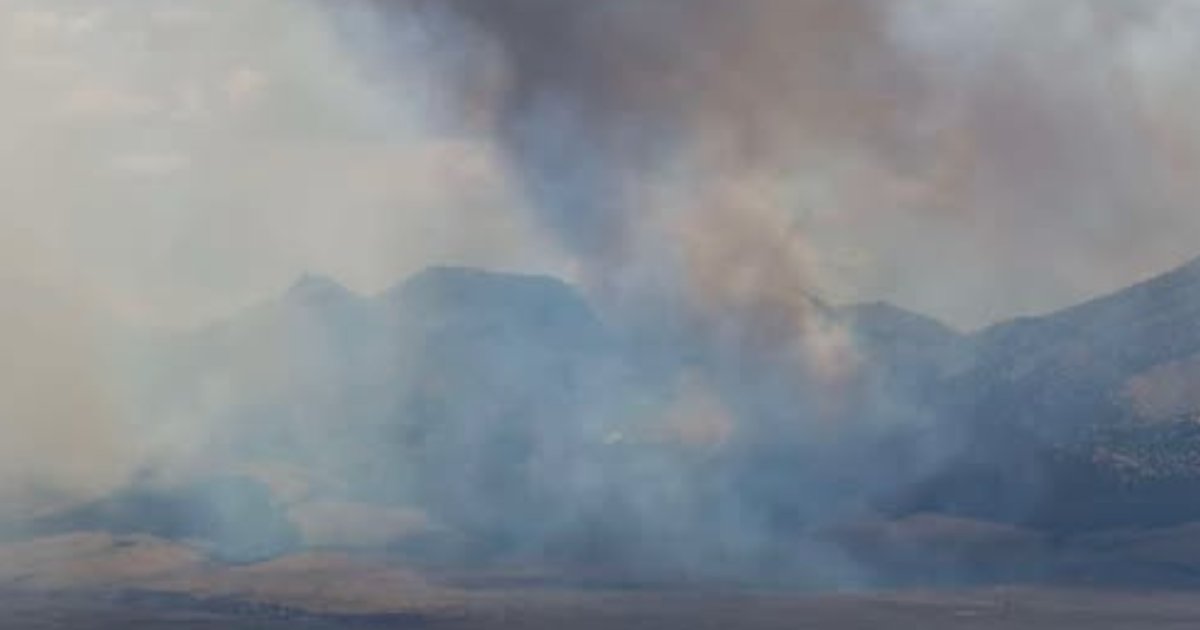
Recent scientific and regulatory updates have revealed new risks to air quality and infrastructure, as a NASA-funded study found wildfire smoke has reversed years of ozone-control progress while a Utah energy company reported recovering from a nation-state cyberattack.
Wildfire impact on ozone levels
A NASA-supported study published June 4 found that wildfires have worsened ground-level ozone pollution across much of the contiguous United States over the last decade. The research indicates that fires have offset nearly four years' worth of ozone-control gains nationally, with more significant setbacks observed in the Midwest and West.
Researchers noted that while smoke is often associated with visible ash and soot, wildfires also emit gases like carbon monoxide that contribute to surface ozone formation. This invisible pollutant can travel thousands of miles from active flames, affecting air quality far from the source.
Health risks from ozone exposure
The health implications of these shifts are significant. According to the study, premature deaths in the U.S. associated with long-term wildfire-related ozone exposure increased by an estimated 318 deaths per year after 2013. The post-2013 average for such deaths was 46% higher than in the previous decade.
University of Iowa atmospheric scientist Jun Wang noted that pollution from one region can move across borders, affecting air quality even in areas far from active fires.
Energy company recovers from cyberattack
In the energy sector, Sage Energy Partners announced on June 11 that its Duchesne location successfully recovered from a geopolitical cyber incident that occurred this past spring. The company reported that on March 15, Sage Water Resources detected unauthorized activity on a programmable logic control automation system at a salt water disposal facility.
Forensic analysis confirmed the attack was a malicious manipulation by an advanced nation-state threat actor. SAGE Energy Partners stated the unauthorized changes were mitigated before causing environmental or physical damage, and the company has since implemented a Virtual Private Network to protect the system.
FDA authorizes new nicotine products
In regulatory news, the U.S. Food and Drug Administration (FDA) announced on May 5 that it authorized the marketing of four new Glas electronic nicotine delivery systems (ENDS). The authorized products include Classic Menthol, Fresh Menthol, Gold, and Sapphire pods, each containing 50mg/ml of tobacco-derived nicotine.
This marks the FDA's first authorization of non-tobacco and non-menthol ENDS products. The agency noted that these specific Glas devices use age-verification technology requiring a government-issued ID and a smartphone connection via Bluetooth to prevent youth access.
The FDA confirmed that with these new orders, there are now 45 authorized ENDS products permitted for legal sale in the United States. The agency emphasized that while these products may serve as alternatives for adult smokers, they are not considered safe and should not be used by those who do not currently use tobacco.