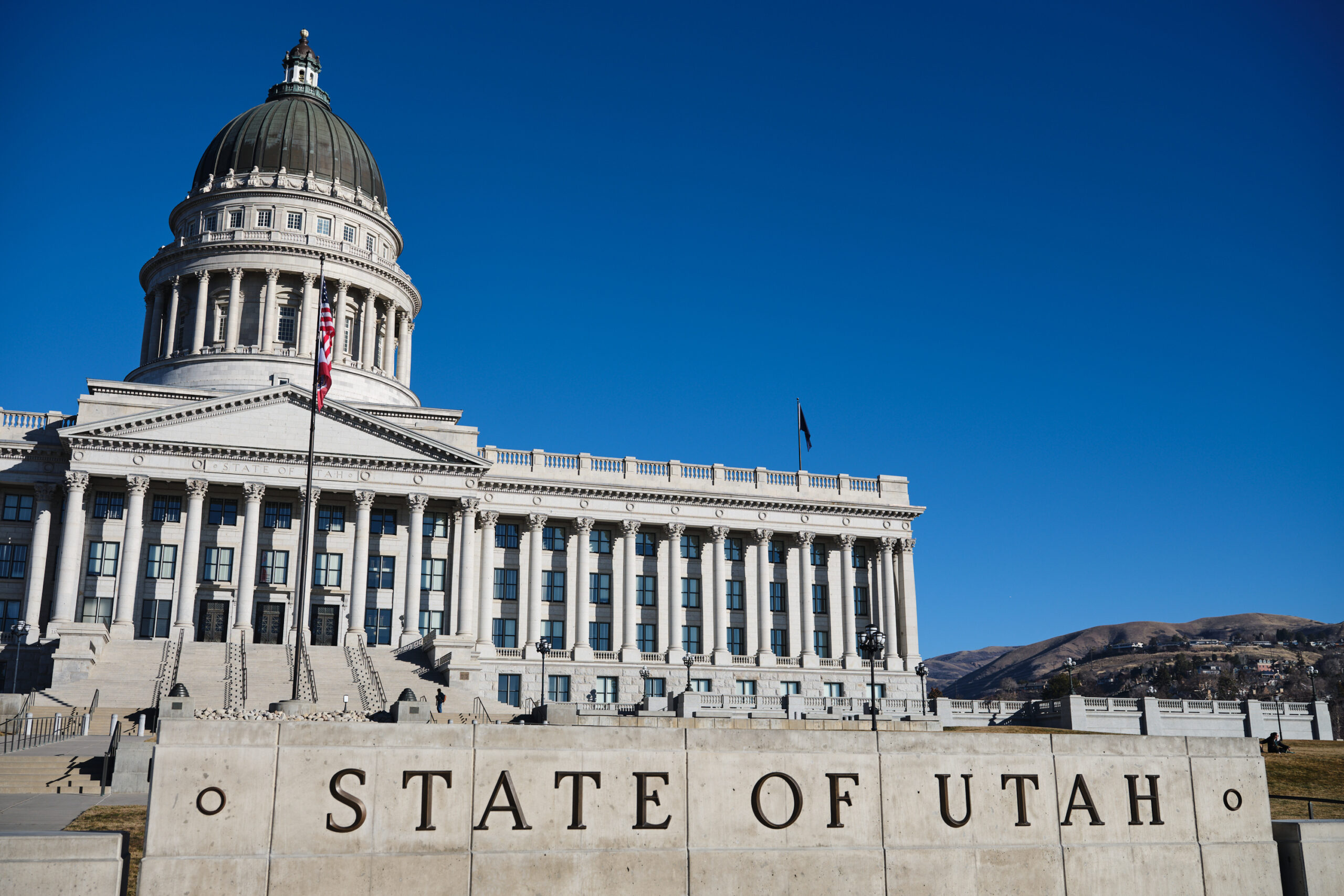
A federal judge dismissed a Department of Justice lawsuit against Utah Lieutenant Governor Deidre Henderson on Friday, ruling that the state is not required to hand over unredacted voter registration records containing sensitive personal information. The decision, handed down by U.S. District Judge David Barlow, ends the Trump administration's attempt to compel the state to release confidential data, including driver's license numbers and partial Social Security numbers.
Legal Basis for Dismissal
The lawsuit, which the Department of Justice filed in February after failed negotiations with state officials, sought to force Henderson to provide a complete, unredacted statewide voter database. Utah had previously resisted these demands, providing only publicly available versions of the voter file and declining to sign a proposed agreement regarding data access. The legal dispute began after the department demanded sensitive information, such as full dates of birth and driver's license numbers, which the state refused to disclose.
Court Rejects DOJ Argument
In his ruling, Judge David Barlow, a Trump appointee, concluded that Utah's voter registration list falls outside the scope of Title III of the Civil Rights Act of 1960. The Department of Justice has repeatedly invoked this law in lawsuits seeking sensitive voter data from states across the country. Barlow noted that while the law requires election officials to preserve and make available certain records that "come into" their possession, Utah's database does not qualify under this definition.
Because Henderson's office develops, manages, and maintains the statewide database, the judge argued it does not meet the criteria for records that an official has simply acquired. "An ordinary English speaker would not say that she has come into possession of something that she created, established, and maintained," Barlow wrote in his decision, adopting legal reasoning previously used by other courts to reject similar Department of Justice arguments.
National Context of Litigation
The court's decision marks the 27th consecutive loss for the Department of Justice in its nationwide campaign to obtain unredacted voter rolls in district courts. The ruling was a significant victory for the state, which had maintained that the federal government's sweeping requests lacked sufficient legal authority. The League of Women Voters of Utah, which filed a motion to intervene to protect voter privacy, joined the effort to defend the state's refusal to disclose sensitive data.
State Response and Impact
The ruling comes at a sensitive political moment, following a decision by the Department of Justice to notify Henderson that it would send election monitors to Utah for the November midterms. Henderson, a Republican and Utah's chief election officer, praised the ruling, stating that the decision helps safeguard the fundamental right to free, fair, and secure elections for Utah citizens. She noted that the ruling prevents the forced disclosure of private data belonging to every voter in the state.
Advocacy Group Reactions
The League of Women Voters of Utah and the ACLU have been active in challenging federal efforts to obtain confidential voter data in courts across the country. Marcia Johnson, chief of activation and justice for the League of Women Voters, said the decision recognizes that protecting voters includes protecting their personal information. She argued that demands for sensitive data must not override the privacy and security interests of the voters.
Katharine Biele, president of the League of Women Voters of Utah, stated that the decision affirms the principle that voters should not have to choose between participating in democracy and protecting their personal information. Similarly, Jason Groth, legal director at the ACLU of Utah, stated that the ruling affirms that the administration has no business meddling in Utah's elections and joined the NAACP and the League of Women Voters in the victory.
Future Legal Outlook
The dismissal of the Utah case was granted with prejudice, meaning the Department of Justice cannot amend the complaint to seek the same relief, as the court found the request for Title III compliance was legally futile. The Department of Justice may still appeal the decision to the 10th Circuit Court of Appeals in Denver, where it is currently appealing other losses in Colorado and New Mexico.