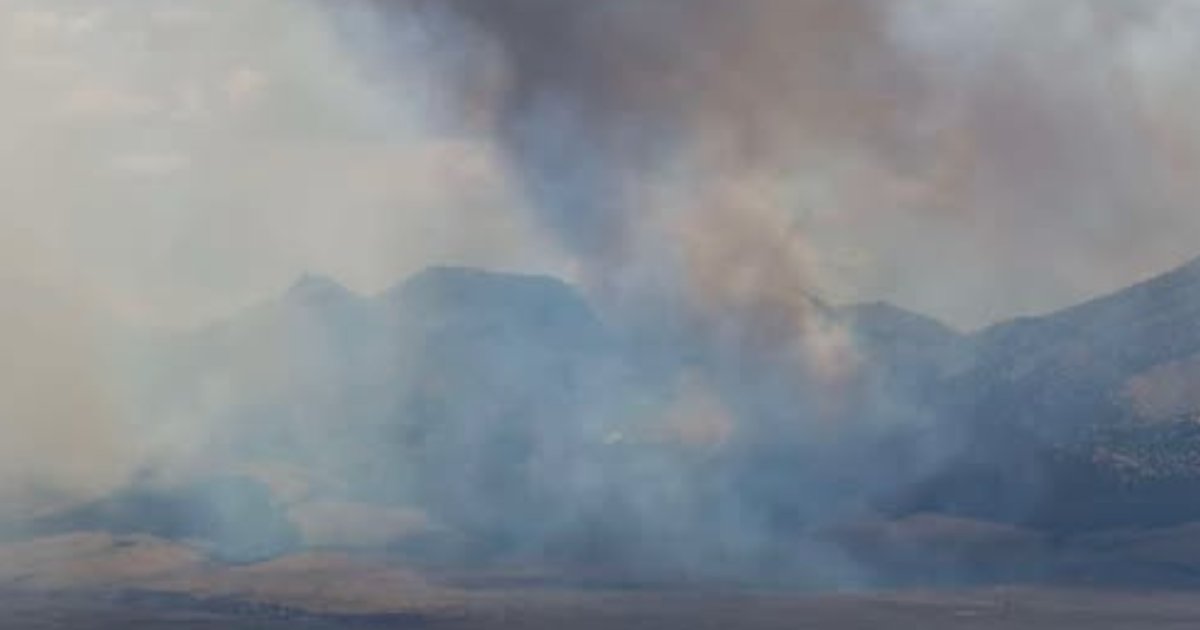
A NASA-supported study released June 4 found that wildfires have worsened ground-level ozone pollution across much of the contiguous United States over the last decade, effectively erasing years of air quality improvements in certain regions.
Impact of wildfires on ozone
The research, published in the journal Science, indicates that wildfires have offset nearly four years' worth of ozone-control gains nationally, with more significant setbacks observed in the West and Midwest. While ground-level ozone typically declined between 2003 and 2015 due to decreased emissions, those gains slowed or reversed after 2015 because of wildfire activity.
Chemical processes behind ozone increases
Researchers noted that while smoke is often associated with visible ash and soot, wildfires also emit gases like carbon monoxide. When these gases mix with other pollutants in sunlight, they can drive ozone increases thousands of miles away from active flames.
AI analysis of pollution trends
The study utilized deep learning and artificial intelligence to analyze a dataset spanning 2003 to 2024. By combining data from approximately 1,000 ground-based stations with satellite imagery and weather information, scientists determined that in the Midwest, wildfire contributions likely erased about 5.3 years of ozone-control progress.
Health risks and mortality rates
Health implications are significant, as ground-level ozone can irritate lungs and worsen respiratory diseases. The study estimated that premature deaths in the U.S. associated with long-term wildfire-related ozone exposure increased by approximately 318 deaths per year after 2013.
Screwworm detection in the U.S.
Separately, the Utah Department of Agriculture and Food reported on June 5 that the USDA has confirmed the detection of New World Screwworm in the United States. The fly's larvae burrow into the living tissue of warm-blooded animals, causing large wounds and potential death if left untreated.
Economic threats to livestock industry
Although the species was eradicated from the U.S. in 1968, recent increases in cases in Central America and discoveries in Mexico have raised concerns. Officials noted that a reintroduction to the United States could result in billions of dollars in losses related to treatment, production, and death of livestock.
As of June 5, there are no movement restrictions for Utah producers regarding the New World Screwworm. However, state officials are urging animal owners and veterinarians to monitor for signs of infestation and report suspicious cases to the State Veterinarian’s office.