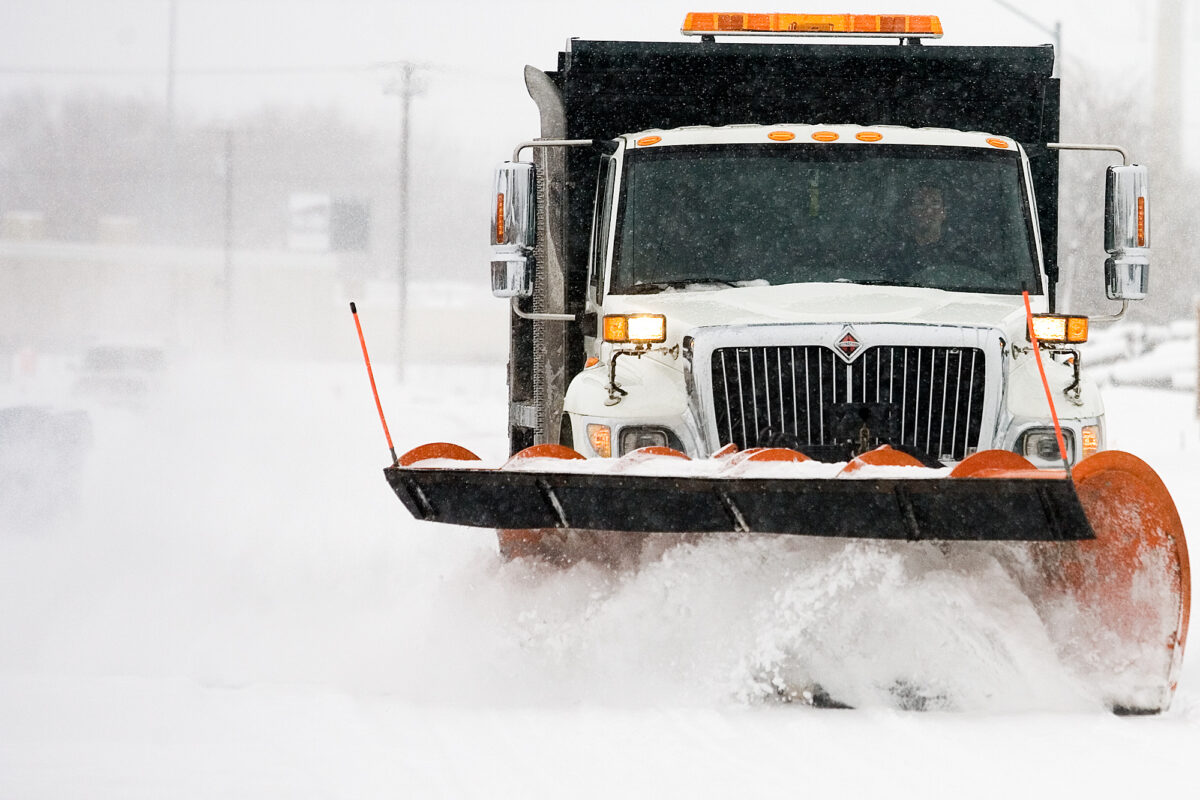
The Utah Department of Transportation is promoting new safety resources for winter driving as officials remind motorists that traction device requirements may be enforced up to 24 hours before a storm arrives. These safety measures aim to protect travelers navigating challenging winter weather, particularly within the state's canyon corridors.
Winter Driving Safety Emphasis
According to a November 9, 2026, release from the Utah Department of Transportation, the agency is emphasizing the importance of being prepared for winter driving conditions. The agency's Zero Hero Safety Tips highlight the necessity of preparedness to ensure driver safety during the winter season.
Traction Device Requirements
The Utah Department of Transportation noted that during periods of severe winter weather, drivers are required to use traction devices in certain locations throughout the state. Officials or law enforcement agencies determine when specific road conditions necessitate the use of these devices. Travelers can receive notifications regarding these requirements through road signs, message boards, the UDOT traffic app, and via social media updates from the agency.
Vehicle Specific Requirements
Traction laws vary depending on the type of vehicle being operated. For all-wheel drive or four-wheel drive vehicles, acceptable tires include M/S or M+S tires and 3PMSF tires. Alternatively, these vehicles may use traction devices, such as chains, cables, snow socks, or studs, on at least 2 drive tires. For 2WD passenger cars and light duty trucks with a gross vehicle weight rating of below 12,000 GVWR, the minimum requirement is 3PMSF tires, though traction devices such as chains, cables, snow socks, or studs are also acceptable on all drive tires.
Heavy Vehicle Regulations
The requirements become more stringent for heavier vehicles and specific road segments. For vehicles with a gross vehicle weight rating over 12,000 GVWR, such as buses and trucks, traction devices like chains, cables, snow socks, or studs are required on all drive tires. In cases of dual mounting, such as a truck with rear dual tires, a traction device is required on the outer tire only.
Regional Travel Considerations
Specific areas, including the Cottonwood Canyons, have unique tire standards. Class 3 road segments in the Cottonwood Canyons, which include Alta, Snowbird, Brighton, and Solitude, require tires with a 5/32" tread depth or the use of traction devices. The Utah Department of Transportation maintains detailed online maps for winter chains required routes and provides area-specific information for several regions, including the Wasatch Back, Ogden Valley, and the Timpanogos Area.
Recreational Area Information
The Utah Department of Transportation provides resources for travelers heading to various recreational areas. Information is available for the Wasatch Back, covering Park City, Deer Valley, and Woodward, as well as the Ogden Valley, which includes Snowbasin and Powder Mountain. Additionally, the Timpanogos Area, including Sundance, is covered by specific resources to assist travelers in those regions.
Legal Framework for Safety
The agency's safety guidelines are supported by Utah Administrative Code R920-6 regarding adverse weather traction requirements. These regulations, alongside Utah Code regarding prohibited tires and UDOT regulatory power, form the legal basis for the traction mandates used to keep canyon roads safe during the winter months.