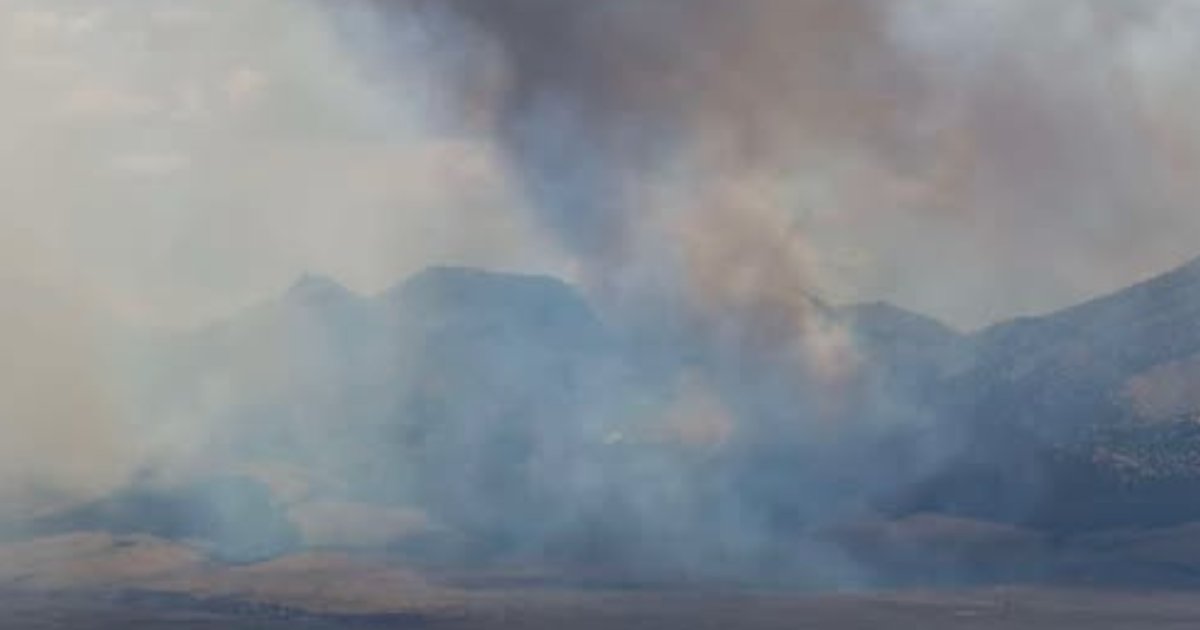
Air quality remains a complex public health concern driven by a mixture of gases and small particles suspended in the atmosphere. These pollutants, originating from both natural events like wildfires and dust storms and human activities such as vehicle emissions, can reach levels that pose significant risks to respiratory and cardiovascular health.
Primary drivers of pollution
The primary drivers of air pollution include a variety of man-made and natural sources. According to the Utah Department of Health and Human Services, human-made pollution is frequently generated by vehicle emissions, fuel oils, and the use of natural gas for home heating. Additionally, by-products from manufacturing processes, power generation—specifically coal-fueled power plants—and fumes from chemical production serve as major contributors to degraded air quality.
Natural sources of pollutants
Natural sources also play a critical role in atmospheric composition. The South Coast Air Quality Management District notes that particulate matter can originate from dust storms, which contain inhalable particles with diameters of 10 micrometers or smaller, as well as even larger particles. Wildfire smoke is another significant natural factor; the Utah Department of Health and Human Services highlights wildfire smoke as a specific concern for family health and air quality monitoring.
Types of atmospheric pollutants
Pollutants are generally categorized into two main types: particulate matter (PM) and ozone (smog). Particulate matter includes fine particles known as PM2.5, which have diameters of 2.5 micrometers or smaller. These fine particles often result from combustion sources such as cars, trucks, trains, ships, aircraft, residential wood burning, and meat cooking.
Formation of ground-level ozone
Ozone, conversely, is a gas formed when various gaseous pollutants react chemically in the presence of sunlight. Most of the gases that lead to ozone formation are emitted from mobile sources. While air quality has seen tremendous improvements in certain regions over recent-decades, certain areas like the South Coast Air Basin and Coachella Valley still experience days where these pollutants reach unhealthy concentrations.
Vulnerable populations and health risks
The health impacts of air pollution are highly dependent on an individual's health condition, age, and the duration and intensity of their exposure. The South Coast Air Quality Management District points out that children, elderly individuals, and people with pre-existing conditions—such as diabetes, heart disease, or lung disease—are particularly sensitive to these pollutants.
Specifically, high levels of particulate matter are linked to cardiovascular and respiratory issues. Ozone exposure is primarily associated with respiratory distress. In Utah, the phenomenon of temperature inversions is a known factor that can significantly affect local air quality by trapping pollutants near the ground, leading to higher levels of PM2.5.
To communicate these risks to the public, officials use the Air Quality Index (AQI), a scale ranging from 0 to 500. The index is designed to translate complex monitoring data into a digestible format that recommends specific precautions. The AQI focuses on health effects experienced within a few hours or days of breathing polluted air.
The scale is divided into six color-coded categories:
Good (0 to 50): Air quality is satisfactory and poses little to no risk.
Moderate (51 to 100): Quality is acceptable, though unusually sensitive individuals should consider limiting prolonged outdoor exertion.
Unhealthy for Sensitive Groups (101 to 150): People with heart disease, pregnant women, children, and older adults or those with lung diseases like asthma should limit heavy outdoor activity.
Unhealthy (151 to 200): Everyone may experience adverse effects such as throat irritation or difficulty breathing, while sensitive groups may face more serious consequences.
Very Unhealthy (201 to 300): This level generates a health alert suggesting everyone may experience serious effects; sensitive groups should avoid all outdoor physical activity.
Hazardous (greater than 300): This triggers emergency conditions where the entire population is likely to be affected, and everyone should avoid all outdoor physical activity.
Monitoring efforts are ongoing through various state and federal programs. The Utah Division of Air Quality maintains an Air Monitoring Program that utilizes a network of monitors to gather near real-time data, which is displayed via interactive maps and line graphs. This program works alongside the national EPA AIRNOW map to provide current air quality conditions for different counties.
Beyond outdoor monitoring, indoor air quality (IAQ) is an emerging area of focus. Because the average person spends up to 90 percent of their time indoors, poor IAQ can cause health effects similar to outdoor pollution, including decreased lung function, acute respiratory illnesses such as asthma and bronchitis, emphysema, and certain types of cancer.
While many regions continue to track volcanic activity through observatories like the Yellowstone Volcano Observatory to monitor earthquakes and lava flows, the immediate focus for public health remains on the daily fluctuations of atmospheric pollutants. Through continuous monitoring and the use of tools like the AQI, agencies aim to provide the necessary warnings to protect vulnerable populations from the invisible threats of gas and particulate matter.