A combination of environmental factors has led to the worst pumpkin harvest in decades across Utah, with growers reporting yields as low as one-fifth of last year's production. The shortage, driven by record heat, statewide drought, and smoke interference, has left many local farms with significantly less fruit for the autumn season than in previous years.
Severe Weather Impacts Yields
The scarcity of pumpkins follows a period of extreme weather conditions that impacted agricultural productivity throughout the state. As reported by Chili Chili on Oct. 16, 2026, the combination of factors has created a historic low for the industry. This development follows reports from late September 2026, when growers began warning of significantly diminished supplies.
Dramatic Production Drops
In northern Utah, growers told Mountain Pumpkins on Sept. 21, 2026, that they expected between a fifth and a half of the yield produced during the previous season. While supply levels varied significantly from farm to farm, the downward trend was consistent across the region.
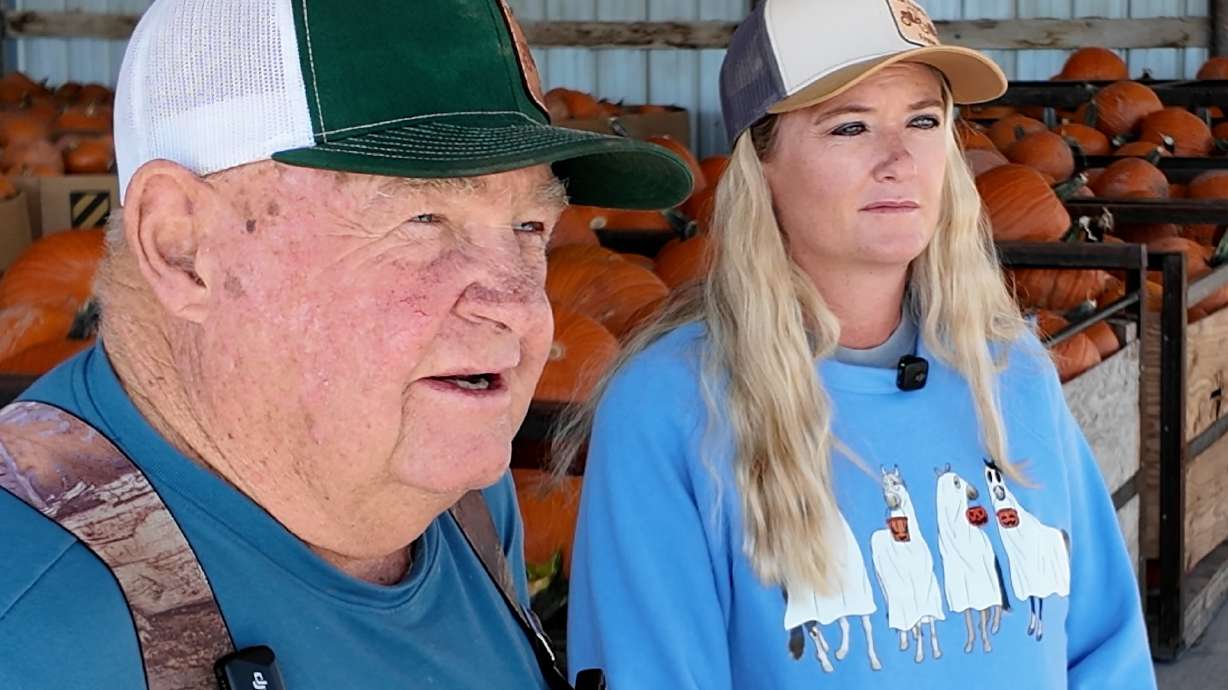
In Sanpete County, Beck Family Farms reported an even more drastic reduction. Owner David Beck told Fox13 that the farm normally produces approximately 3,000 tons of pumpkins annually, but expects only about 600 tons this year. This represents an 80 percent drop in production. Additionally, a hailstorm in Delta destroyed approximately 250 of the 300 tons the farm had intended to supply.
The Science of Pollination Failure
Experts point to a specific biological window that was compromised by the extreme temperatures. According to Utah State University Extension, pumpkin pollination must occur on the same day a female flower opens, as the flower's receptiveness and the pollen's viability are extremely limited.
High temperatures have been cited as a primary cause for crop failure. Purdue University Extension notes that extreme heat can kill female pumpkin flowers while they are still in the bud stage. Furthermore, heat can interfere with pollen quality so severely that even if a flower is successfully pollinated, it may fail to set fruit. Beck Family Farms described the conditions during the growing season as being "too hot for the bees, too smoky for the bees."
Statewide Drought and Heat
The pumpkin shortage is part of a broader trend of agricultural hardship in Utah this year. The state experienced its warmest winter since federal statewide records began in 1895, according to data from the National Centers for Environmental Information reported by the Daily Herald.
Summer temperatures also reached historic levels, including an all-time record high in Salt Lake City on July 12, when the temperature reached 109 degrees, according to the National Weather Service. By mid-September, the Utah Division of Water Resources reported that the entire state was experiencing some form of drought, with reservoirs holding only about half their capacity, which is below both normal levels and last year's levels.
Wider Agricultural Impact
Other crops in Utah also faced significant losses this year. Following an April freeze, the Utah Department of Agriculture and Food told the Daily Herald that some fruit growers reported losing nearly their entire crops, while others lost approximately three quarters of their production.
Advice for Consumers
Due to the diminished supply, experts recommend that shoppers visit pumpkin patches earlier in the season. A Beck Family Farms employee told Fox13 that because there is less fruit available on the vines, the first weeks of October are a safer bet for finding inventory than Halloween weekend.
For those planning trips to local farms, it is recommended to call ahead, as farms running low on stock may change their operating hours. For large-scale orders, availability is particularly limited, as large pumpkins are the first to sell out during short seasons.
Commercial Supply Changes
The impact of the shortage is already being felt by commercial suppliers. Mountain Pumpkins noted that for their "Grand designs" which include 50-pound statement pumpkins, the package descriptions must now include the caveat "supplies allowing" because some growers no longer have the necessary volume of large pumpkins to meet previous standards.