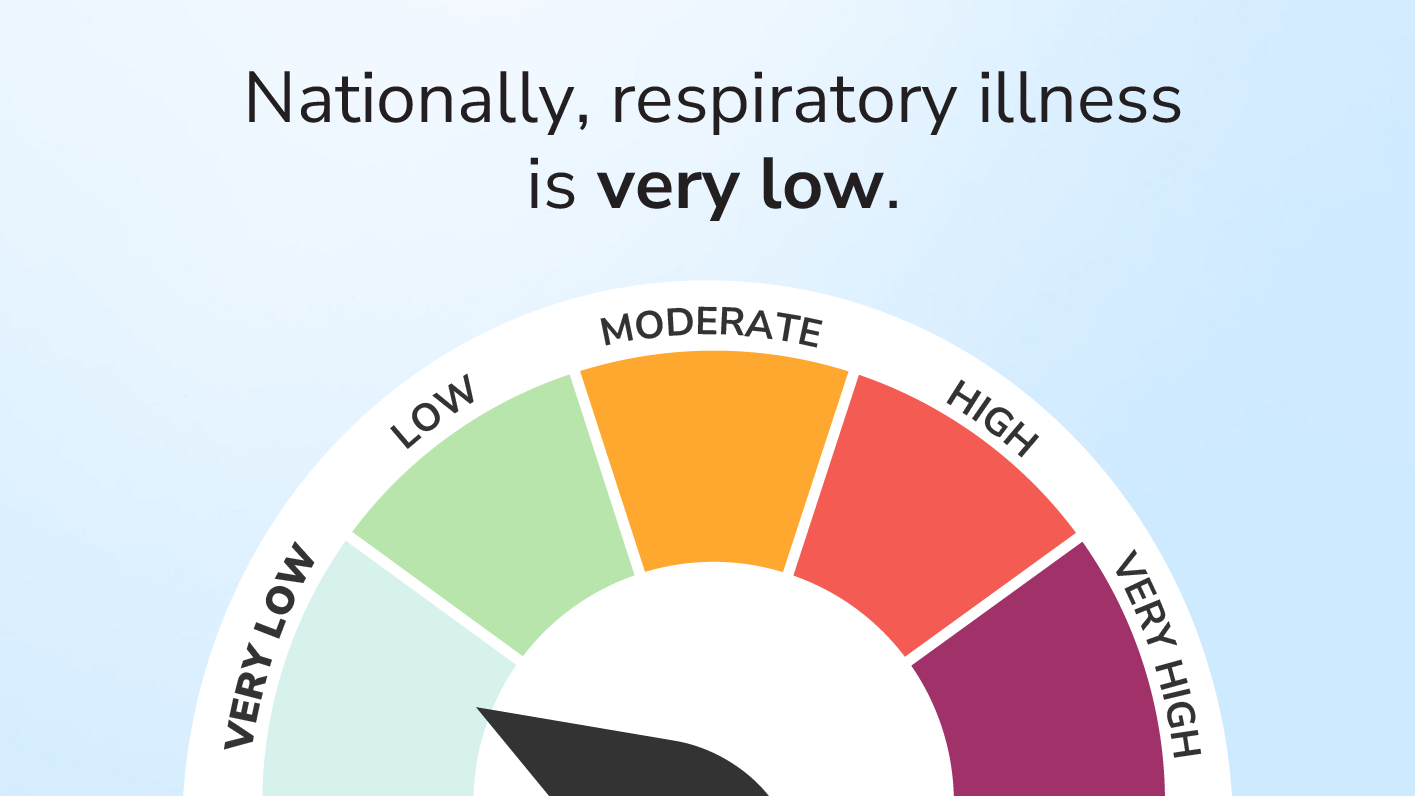
National respiratory illness activity remains low and stable, but experts warn of potential increases in the West and South as COVID-19 activity shows early signs of rising, according to data released by the Centers for Disease Control and Prevention on July 24, 2026. This comes as health officials monitor various viral trends, including elevated national levels of parainfluenza virus and continued circulation of whooping cough.
National COVID-19 Trends
Current data from the Centers for Disease Control and Prevention indicates that the amount of acute respiratory illness causing people to seek healthcare is very low across the United States. While COVID-19 activity is currently characterized as low and stable on a national level, the agency noted that the virus is beginning to show early signs of an increase specifically within the West and South regions.
Scenario modeling suggests that regions which did not experience a substantial level of COVID-19 activity during the most recent winter months, such as the South and West, are expected to experience increases in activity during the summer months. The CDC noted it remains possible that there could be larger increases this summer if a variant that the immune system no longer recognizes becomes more common.
Other Respiratory Virus Activity
Beyond COVID-19, other respiratory viruses are showing distinct patterns. Seasonal influenza activity is currently rated as low. However, parainfluenza virus (PIV) activity is elevated nationally, a trend the CDC expects for this time of year. Parainfluenza is known to cause respiratory infections including fever, cough, nasal congestion, and shortness of breath, and can progress to pneumonia or bronchitis.
Other illnesses continue to circulate at varying levels. Whooping cough, or pertussis, continues to circulate at levels lower than post-pandemic peaks, though it remains highly contagious. Additionally, respiratory infections caused by the bacteria Mycoplasma pneumoniae, commonly known as walking pneumonia, remain low in most areas of the United States based on hospitalizations and positive tests.
RSV and Vaccination Status
The current landscape of respiratory illness also includes RSV, which remains very low in most areas of the country. While emergency department visits and hospitalizations for RSV are low, they remain highest among infants and children under the age of 4.
National vaccination coverage for COVID-19, influenza, and RSV has remained low among both adult and child populations. The CDC continues to provide guidance for protecting communities, recommending hand washing, cleaning surfaces, and staying home when sick to prevent the spread of these viruses.
Research and Institutional Support
The monitoring of these pathogens is supported by extensive research and data infrastructure. The University of Utah's Division of Infectious Diseases, which includes 17 full-time faculty members at the University of Utah Medical Center and 13 affiliated faculty at LDS, IMC, and the VA hospital, is actively involved in the clinical and research endeavors necessary to track such diseases.
In recent years, the Division has received significant support for these efforts, including a $17.5 million grant from the CDC to the University of Utah researchers to enhance public health responses. This research is part of a broader effort to understand how various pathogens impact public health, including work conducted by the Microbiota and Gastrointestinal Immunology Consortium (MAGIC) regarding the microbiome's effect on health.
Public Health Resources
To assist the public in managing these health risks, the Utah Department of Health and Human Services provides various resources. The Utah Health Data Dashboard offers an interactive visual presentation of health-related data, providing an overview of current information including respiratory disease data and wastewater surveillance systems.
For residents seeking medical care, the Department of Health maintains a vaccine provider search tool to help individuals locate local pediatric and adult vaccine providers, pharmacies, and travel clinics throughout the state.