The National Interagency Coordination Center has released its monthly seasonal outlook for July through October 2026, highlighting elevated wildland fire risks across the Great Basin and northern Utah. The report, issued July 1, indicates that significant fire potential is expected to persist in these areas throughout July.
Current National Fire Statistics
As of late June, the National Preparedness Level had increased to level four following a surge in fire activity during the second half of the month. Nationwide, approximately 3,168,102 acres have burned so far this year, representing 157% of the previous 10-year average.
Great Basin Drought and Conditions
In the Great Basin, a Fuels and Fire Behavior Advisory was issued in late June for extreme conditions spanning from eastern Nevada into much of Utah and the Arizona Strip. The region has experienced record low snowpack levels, with some areas in Utah and Nevada seeing only 10% to 30% of normal snowpack at the March peak.
Recent Regional Fire Activity
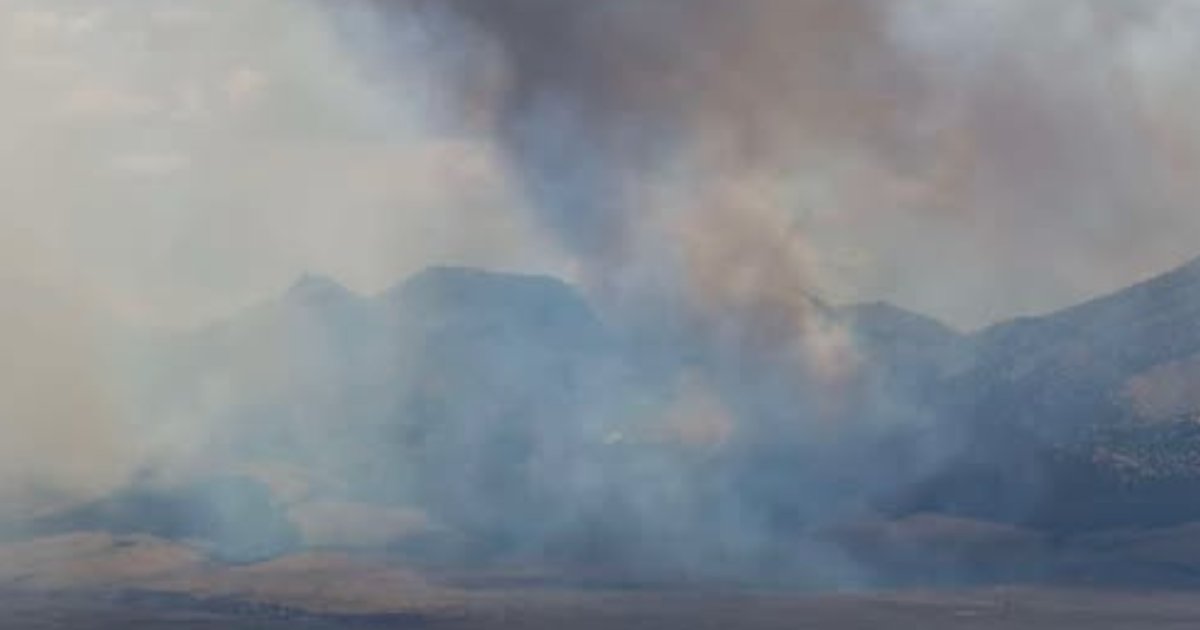
Recent fire activity in the Great Basin has been significant, with fires spreading through pinyon-juniper, brush, and tall grass under windy conditions. While parts of northern Utah have seen some moisture from thunderstorms, the southern half of the region remains at high risk due to fuel moisture levels being well below normal.
July Forecast for Great Basin
For July, above normal significant fire potential is forecast for nearly all of the Great Basin, excluding specific portions of southern Nevada, central and eastern Idaho, and Wyoming. However, the North American Monsoon may begin to reduce fire potential in southern areas from late July into August.
El Niño and Climatic Shifts
The outlook also notes broader climatic shifts, specifically the rapid strengthening of El Niño. This development is expected to influence weather patterns through the fall. In the Southwest, while temperatures are expected to remain above normal, the maturation of the monsoon may provide much-needed moisture to parts of Arizona and New Mexico.
Northwest and Rockies Fire Outlook
In the Northwest, fire potential for July remains elevated in west-central Oregon due to rapid fuel curing. Meanwhile, parts of the Northern Rockies, including northwest Montana, are seeing a reduction in fire potential for July following significant rainfall events at the end of June.
The seasonal outlook serves as a decision support tool for wildland fire managers to assist in protecting life, property, and natural resources. The next update is scheduled for release on August 1, 2026.