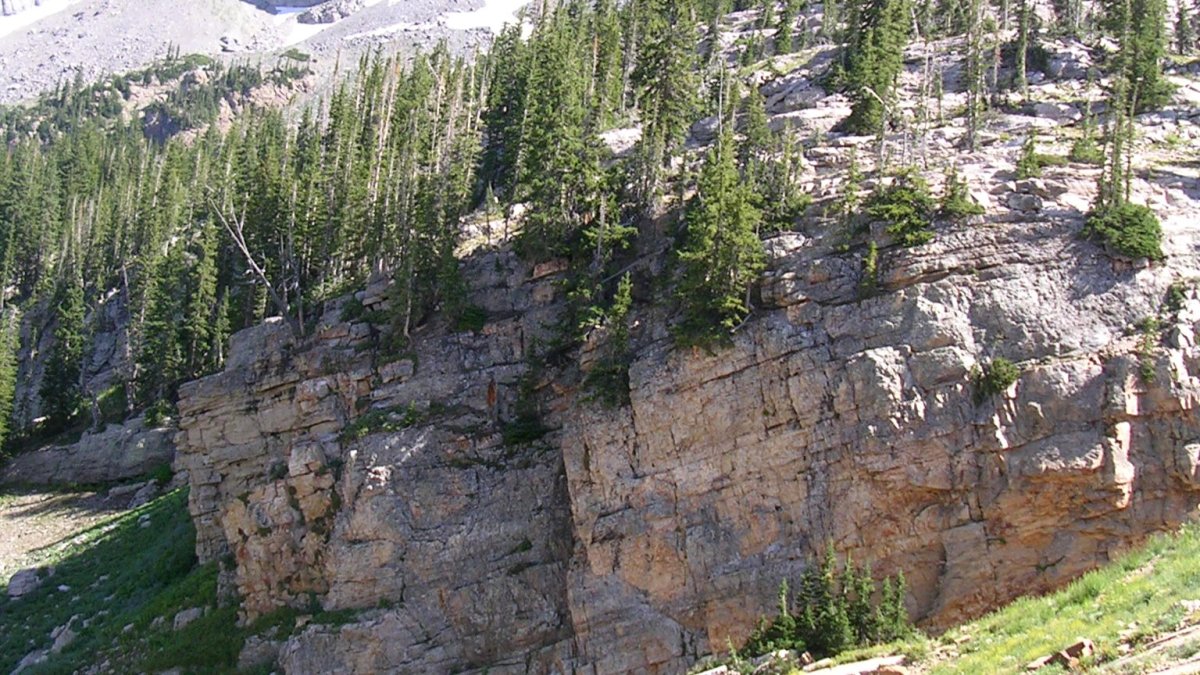
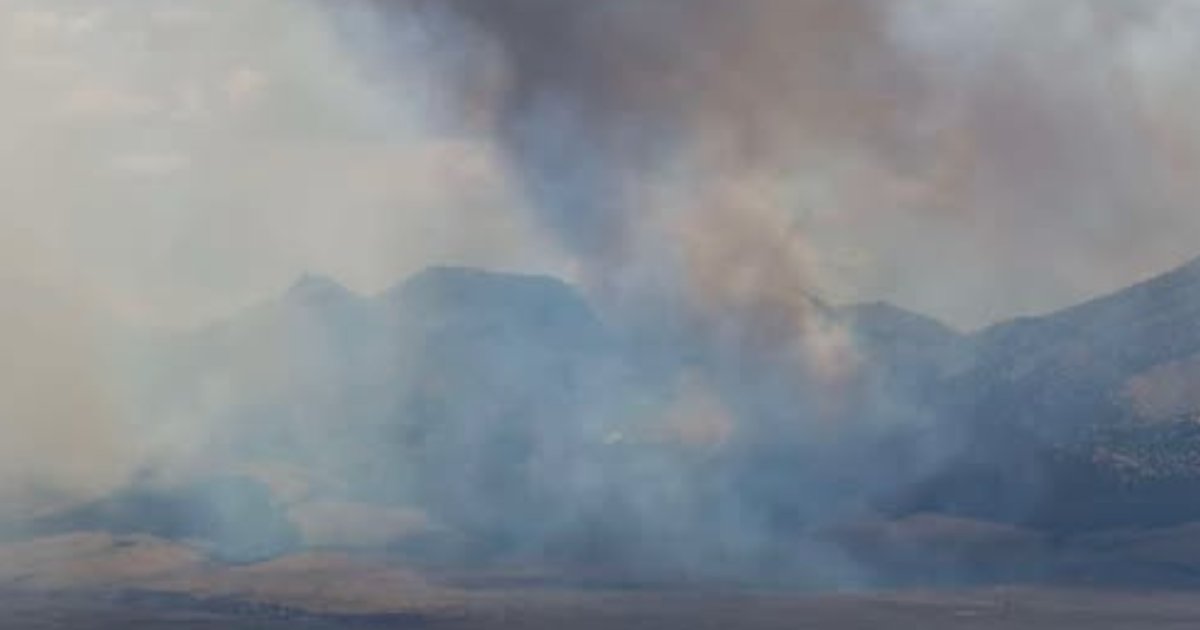
The Town of Alta is maintaining strict environmental and safety protocols to protect its role as a vital part of the Little Cottonwood Canyon watershed. Local officials continue to enforce regulations regarding animal control and avalanche mitigation to ensure the safety of drinking water for the Salt Lake Valley.
Protecting Salt Lake Valley Water Supply
The Town of Alta provides ongoing guidance regarding the protection of its culinary watershed, which serves as a primary source of high-quality drinking water for hundreds of thousands of residents in the Salt Lake Valley. Because the area is a protected watershed, local laws prohibit dogs within Little Cottonwood Canyon and Alta to prevent contamination.
According to information from the Town of Alta's FAQ, pet waste carries bacteria and parasites that can make human drinking water unsafe if ingested. The town notes that it can take less than 24 hours for water seen in a high-elevation stream to reach treatment facilities and faucets in the Salt Lake Valley. Consequently, feces from domesticated animals being washed into tributaries directly impacts the health of the water supply.
Exceptions for Service and Rescue Dogs
While general access for dogs is prohibited, certain exceptions exist for specific safety and accessibility needs. The Town of Alata noted that specially trained avalanche rescue dogs are permitted within the Alta and Snowbird ski areas to assist with essential snow safety operations.
Additionally, service dogs are allowed in the canyon under the Americans with Disabilities Act (ADA). For residents and local business employees, the Town of Alta maintains a specific licensing process that allows for a very limited number of dogs within town limits. Those holding these permits must adhere to additional requirements and restrictions to ensure the watershed remains uncompromised.
Ecological Impact and Land Management
The environmental management of the area extends to managing wildlife habitats and ecological health. The town stated that pet waste does more than just threaten water purity; as it decays, it can also affect the overall quality of streams and lakes, which in turn compromises local wildlife habitats.
These regulations are not unique to the region, as many localities across the nation implement strict rules for watershed use. In Alta and Little Cottonwood Canyon, much of the land is managed by the U.S. Forest Service, which has implemented protective land-use policies through its current Forest Management Plan to safeguard these heavily used recreational areas.
Renewable Energy and Municipal Updates
In addition to watershed protection, the town is actively monitoring energy and administrative developments. In its April 2026 newsletter, the Town of Alta included a recent update regarding Utah Renewable Communities.
This update was part of a broader series of municipal communications that also addressed the FY 2027 budget process, summer projects, and various facilities planning and capital committee updates.
Avalanche Mitigation and Safety
Public safety remains a high priority due to the geographical risks of the region. Utah State Highway 210 and significant portions of the Town of Alta are exposed to avalanche hazards.
The Utah Department of Transportation (UDOT) Avalanche Safety Program manages a sophisticated forecasting and mitigation program in Little Cottonwood Canyon during snow-covered months. This program works with various public and private partners to implement mitigation strategies, which can include restrictions on vehicle access to Highway 210 and the use of military artillery for avalanche control.
Enforcement of Safety Ordinances
The Town of Alta maintains that respecting interlodge travel restrictions is critical for community safety and the continued operation of recreation and roadway access. Under Town of Alta Ordinance 5-4-1, the Alta Marshal may prohibit outdoor or 'interlodge' travel during periods of high avalanche hazard.
For residents and visitors seeking more information on watershed regulations, the town directs individuals to the Salt Lake City Department of Public Utilities, which provides extensive details regarding the management of the Wasatch Front watershed areas.