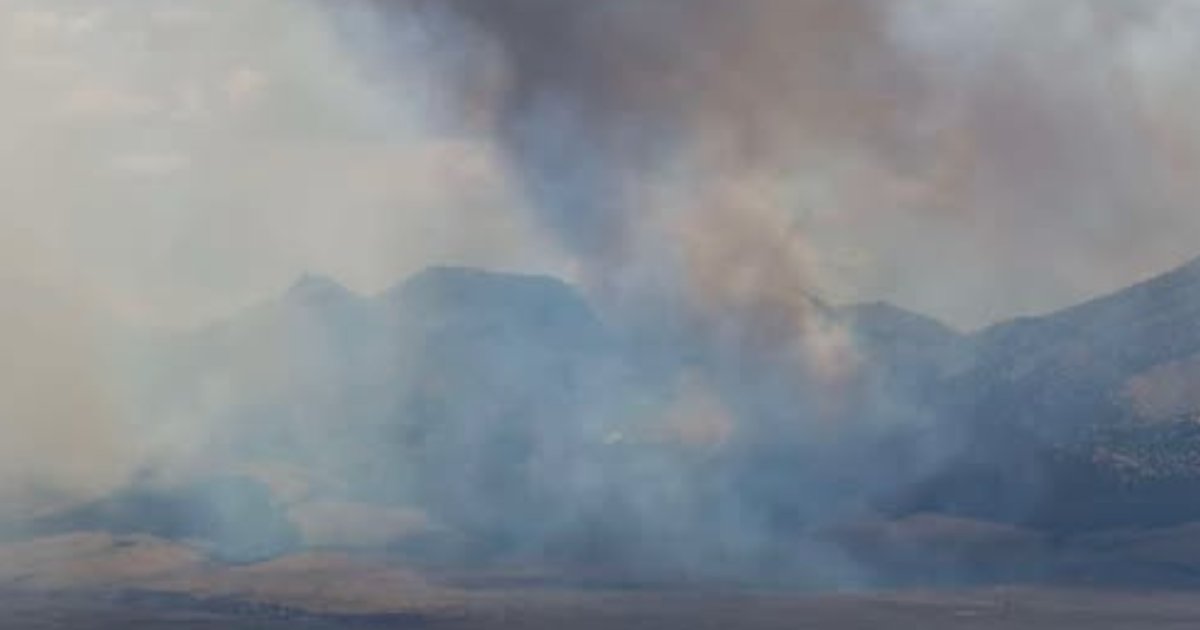
Fire management officials are maintaining oversight of the Cottonwood Fire in Nebraska, an incident that burned more than 12 and 9,000 acres after extreme winds drove its rapid spread through Lincoln and Dawson counties this spring. Though containment reached 100 percent by early April, the Great Basin Coordination Center continues to monitor regional fire activity as agencies manage resources across the western United States.
Fire Origin and Rapid Spread
The Cottonwood Fire originally ignited in the southeast corner of Lincoln County during the late afternoon of Thursday, March 12, 2026. According to records from InciWeb, very high winds from the west caused the blaze to move quickly into Dawson County later that same night. The rapid movement of the fire triggered numerous evacuations and forced the closure of several roads due to the impact of both flames and heavy smoke.
Shift in Incident Management Teams
As the incident escalated, management responsibilities shifted between specialized teams. The Rocky Mountain Complex Incident Management Team 1 (CIMT1) assumed management of the Morrill and Cottonwood Fires on March 14. By March 28, at 6 p.m. MDT, the Rocky Mountain Complex Incident Management Team 2 (CIMT2) took command of a larger complex that included the Ashby, Minor, and Cottonwood fires.
Statewide Burn Ban Implementation
During the height of the fire's activity, Nebraska officials implemented strict measures to prevent new ignitions. On Friday, March 13, Governor Jim Pillen issued a statewide burn ban to help reduce the potential for additional wildfires across the state. This executive order was later extended through April 10, 20 026, as dry and windy conditions continued to threaten central and western Nebraska.
Transition to Local Fire Authorities
In early April, management of the fire complex was transitioned back to local authorities. Under the direction of the State of Nebraska, Rocky Mountain CIMT 2 transferred management responsibility for the Ashby, Minor, and Cottonwood fires to local volunteer fire departments at 6 a.m. local time on Sunday, April 5. While local jurisdictions became responsible for the initial and ongoing suppression of any new fires that might start, state resources remained available to provide statewide initial attack response.
Environmental and Drought Conditions
The environmental conditions contributing to the fire's intensity were characterized by extreme drought and critical fuel moisture levels. InciWeb reports indicated that live and dead fuel moistures were at critical levels, described as pre-green up, alongside extreme drought conditions. The region had experienced very little snow during the winter months, paired with above-average temperatures throughout February and March 2026.
Composition of Primary Burn Fuels
The primary fuels involved in the burn included tall grass measuring approximately 2.5 feet, timber consisting of grass and understory, dormant brush, and hardwood slash. Specifically, the fire area contained a mix of tall grass intermixed with red cedar stringers, accompanied by shallow duff understory and pockets of brush throughout the perimeter.
By April 4, 2026, the Cottonwood Fire had reached 100 percent containment, covering a total area of 129,253 acres. At the time of the final major updates, the fire behavior was described as minimal to moderate, consisting primarily of backing, flanking, and isolated torching. The incident involved a total of 154 personnel during its active management phases.
In the broader region, the Great Basin Coordination Center (GBCC), located in Salt Lake City, continues to serve as the focal point for coordinating the mobilization of resources for wildland fires and other incidents throughout the Great Basin geographic area. The center provides critical intelligence and predictive services used by the wildland fire community for incident management decision-making.
Authorities have previously advised the public to avoid the fire area and refrain from interfering with firefighters performing active work. Travelers in the region were cautioned to watch for firefighters and emergency vehicles operating along roadsides.
For those impacted by the Nebraska wildfires, resources remain available to farmers and ranchers through state-provided assistance channels.