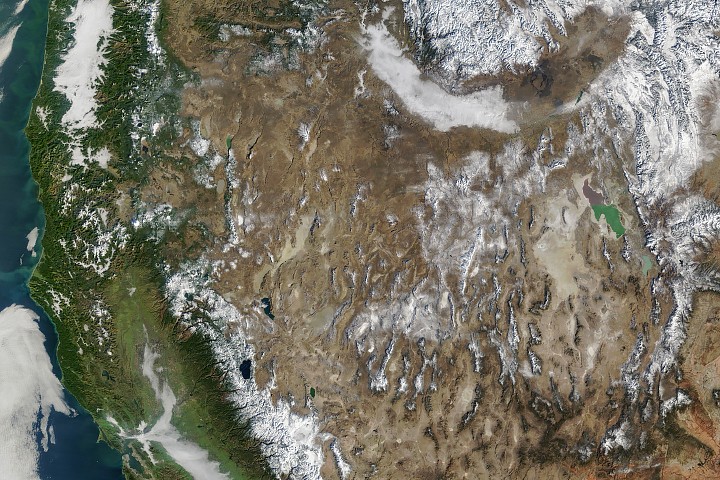
Utah continues to face widespread drought conditions, with 100% of the state experiencing some level of dryness as of late August 2026. This follows a difficult winter period that began in early 2026, when a severe snow drought and record-low snowpack levels were reported across the western United States.
Widespread Drought Conditions
According to data from the U.S. Drought Monitor released on August 27, 2026, the entirety of Utah is currently experiencing drought. As of August 25, 2026, the state's drought intensity is measured as follows: 93.44% of the state is in moderate drought (D1), 4.01% is in severe drought (D2), and 2.55% is in extreme drought (D3).
This widespread dryness follows a period of significant moisture deficits. In January 2026, Governor Spencer Cox invited Utahns to conserve water as more than 90% of the state was already experiencing drought with snowpack levels well below normal.
Impact of Snow Drought
The current water scarcity is linked to a "snow drought" that emerged during the 2025-2026 winter. NASA Earth Observatory reported in late January 2026 that although many western regions saw average or above-average precipitation, warmer temperatures caused much of that moisture to fall as rain rather than snow.
This shift in precipitation type has significant ecological and economic implications. Unlike snowpack, which provides a metered and sustained water supply as it melts in the spring, rain tends to run off before it can recharge groundwater or reservoirs. This phenomenon, described by climate scientist Daniel Swain as a "temperature-driven, elevationally dependent snowpack deficit," impacts ecosystems, wildfire dynamics, and water availability for agriculture.
Historical Snowpack Deficits
The deficit in snowpack was particularly acute in early 2026. NASA reported that on January 15, 2026, snow cover across the western United States was at its lowest level in the MODIS record dating back to 2001, covering less than one-third of the median amount.
By January 26, 2026, data from the USDA Natural Resources Conservation Service showed that at least one ground-based monitoring station in every major western watershed had recorded its lowest snow water equivalent—the amount of water stored in the snowpack—in at least 20 years. At that time, the National Integrated Drought Information System identified Utah as one of the states where the snow drought was most acute.
Long-term Outlook
The long-term effects of these moisture deficits may persist depending on seasonal precipitation patterns. While winter snowpack can mitigate traditional drought, the lack of mountain snowpack can exacerbate existing dry conditions in regions like the Colorado River Basin.
Seasonal Monitoring
The Climate Prediction Center provides seasonal outlooks to help monitor these trends, though specific long-range forecasts are updated monthly.