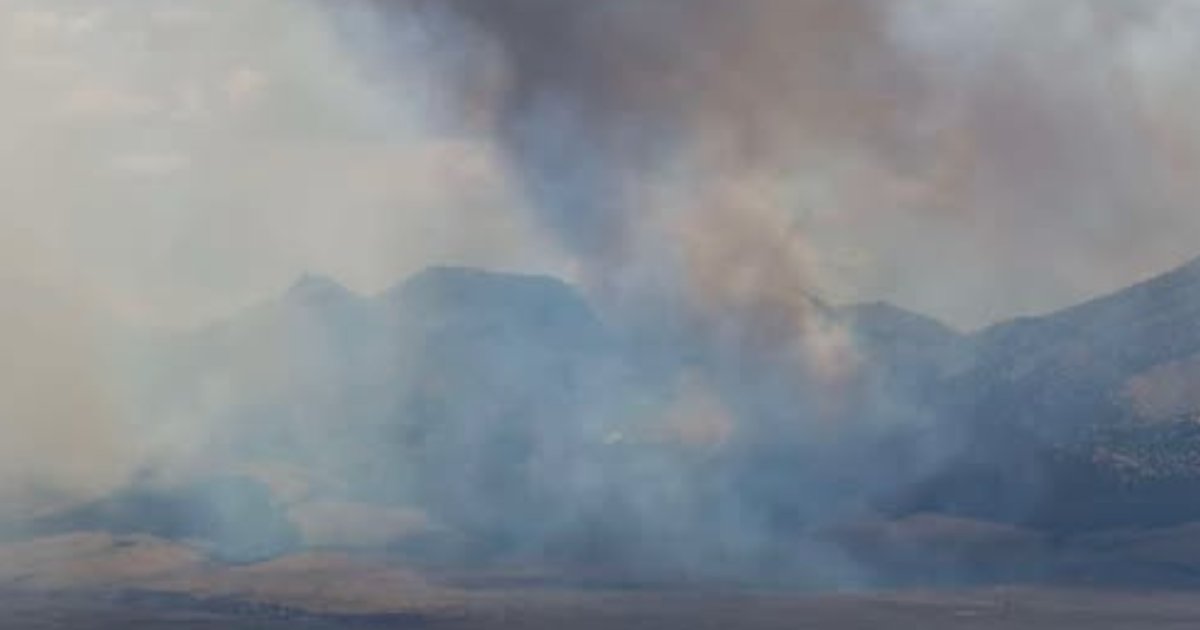
The Canal Fire Rehabilitation Project has reached completion, marking the end of an intensive restoration effort for lands impacted by the 2020 wildfire. The project addressed more than 78,023 acres burned during a lightning strike that affected Millard and Juab Counties.
Project scope and wildfire impact
Managed by Kendall Bagley of the Utah Division of Wildlife Resources Southern Region, the completed initiative utilized aerial seeding, mechanical treatments, and herbicide applications to restore critical habitats for wildlife and livestock.
The rehabilitation work targeted diverse land types, including Forest Service, BLM, SITLA, and private lands. The project area was located north of Oak City, Utah, encompassing the Gilson Mountains, Fool Creek, Leamington, and northern portions of the Oak Creek WMU.
Targeted locations and land types
Restoration methods included aerially seeding burned areas with a mix of grasses, forbs, and shrubs using fixed-wing aircraft and helicopters. To reduce erosion and assist seed establishment, contractors used D8 or D9 tracked cats to single chain suitable areas on BLM and private properties. The project also involved addressing the need for herbicide treatments to control invasive species like cheatgrass.
Erosion control and invasive species management
Beyond vegetation, the project team worked to inventory and repair essential infrastructure, including pipelines, fence lines, and watering troughs, which are vital for both wildlife and domestic livestock in surrounding allotments.
Infrastructure repair and maintenance
The project was made possible through a large-scale partnership involving the Utah Division of Wildlife Resources, USFWS Partners Program, SITLA, BLM, Forest Service, and over 27 private landowners.
Collaborative partnerships and stakeholders
Future management plans include monitoring the re-seeding efforts and deferring livestock grazing on all seeded areas for at least two growing seasons to ensure the successful establishment of grasses, forbs, and shrubs.