An Australian aviation crew completed a daring midwinter mission to rescue a US expedition member from an Antarctic station. The operation involved landing a plane in total darkness and temperatures reaching -43C at McMurdo Station.
Skytraders reported the mission occurred last Friday following an urgent medical evacuation request. The aircraft, known as Snowbird 1, successfully transported the patient to Christchurch, New Zealand, where the individual is now recovering well.
The mission involved complex logistics and extreme weather challenges. Following a request from the US Antarctic Program via the Australian Antarctic Division, engineers and a design team spent 24 hours configuring the Airbus A319 with a stretcher. Takeoff from Hobart was delayed by 12 hours while the crew waited for a weather window after a snowstorm had previously halted operations.
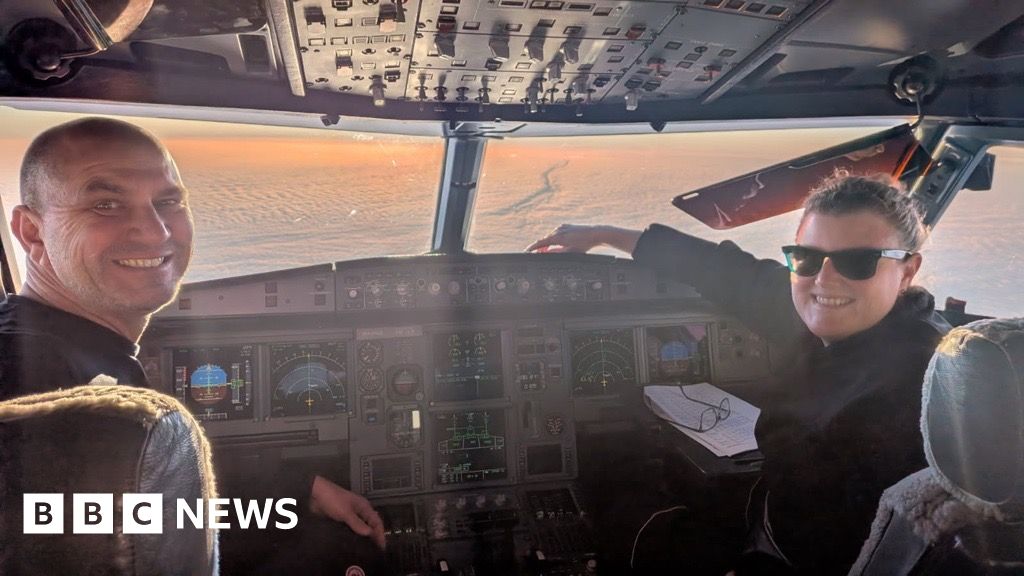
Captain Rod Robertson landed the plane at the US research station on Ross Island. His wife, Captain Louise Robertson, noted that the mission was completed on 31 July, marking the first such mission to be completed in total darkness during July. She described it as the most complex operation in her 25-year career as a pilot.
Ground crews worked in conditions of -45C and strong winds to grade and groom a 3-km-long runway made of compacted snow. This six-hour preparation allowed the flight crew to land at Phoenix Airfield. After spending one hour on the ground, the aircraft departed for Christchurch.
Captain Al Wallach stated that the success of the mission reflected the expertise of the team, which included flight crews, meteorologists, planners, runway teams, and medical personnel. He noted that winter operations significantly increase complexity and pushed the aircraft to the edge of its capability.
Emma Campbell, head of the Australian Antarctic Division, said the operation highlighted the capability of personnel and the strong partnerships supporting Antarctic programs globally. Skytraders previously conducted a similar mission in March 2020 to evacuate a member of the US Antarctic Program from McMurdo in -30C temperatures.