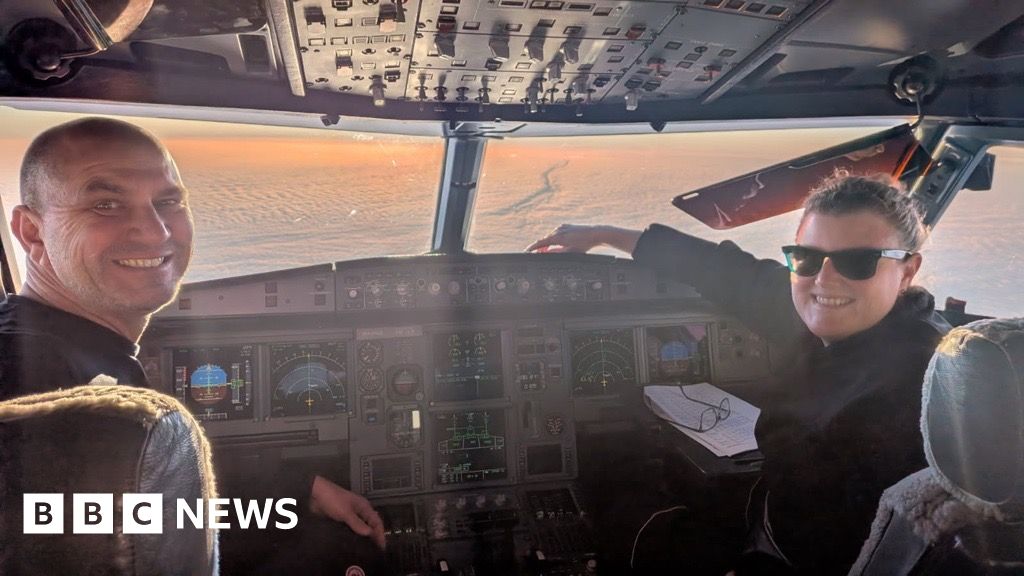
An Australian aviation company, Skytraders, successfully completed a rare and daring midwinter medical evacuation of a United States expeditioner in Antarctica. The mission took place under extreme conditions, with temperatures plunging as low as -43 degrees Celsius during the operation.
Skytraders stated that it mobilized its Airbus A319, known as Snowbird 1, following an urgent request for assistance late last month. After an initial attempt was delayed by severe weather, the aircraft departed Hobart on July 31 at 2:44 am.
The crew landed at the US-operated McMurdo Station five and a half hours later in complete darkness and freezing temperatures. Skytraders said the crew safely transferred the patient before departing Antarctica ahead of deteriorating weather conditions. The aircraft then flew to Christchurch, New Zealand, later that day.
The US National Science Foundation (NSF) stated that the US Antarctic Program (USAP) participant arrived at Christchurch on July 31 and was admitted to Christchurch Hospital in serious condition. The NSF expressed gratitude to the USAP on-station first responders for providing initial medical care, as well as Australian and New Zealand partners for life-saving transportation support.
Captain Al Wallach, the pilot, credited the mission's success to years of preparation, specialist training, and coordination between flight crews, meteorologists, operational planners, runway teams, and medical personnel. Wallach noted that winter operations significantly increase complexity and that the conditions encountered were at the edge of the aircraft's specialized capabilities.
The Australian Antarctic Division's head, Emma Campbell, praised the efforts of everyone involved, stating the complex operation highlights the capability of the personnel and the strong partnerships that support Antarctic programs globally.
Medical evacuations during the Antarctic winter are considered extremely risky and infrequent due to severe weather, continuous darkness, and unpredictable visibility. Temperatures in McMurdo can drop below -58 degrees Fahrenheit. The Australian Antarctic Program utilizes the Skytraders aircraft for intercontinental flights between Hobart and Wilkins Aerodrome, though the aerodrome typically ceases use in March due to deteriorating conditions.