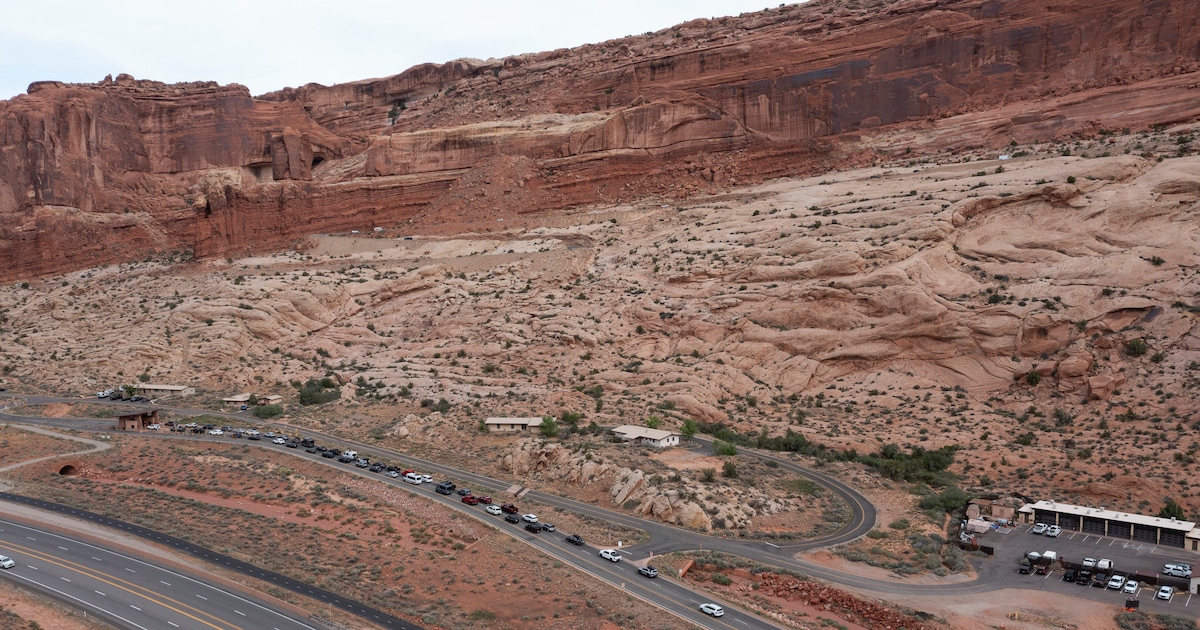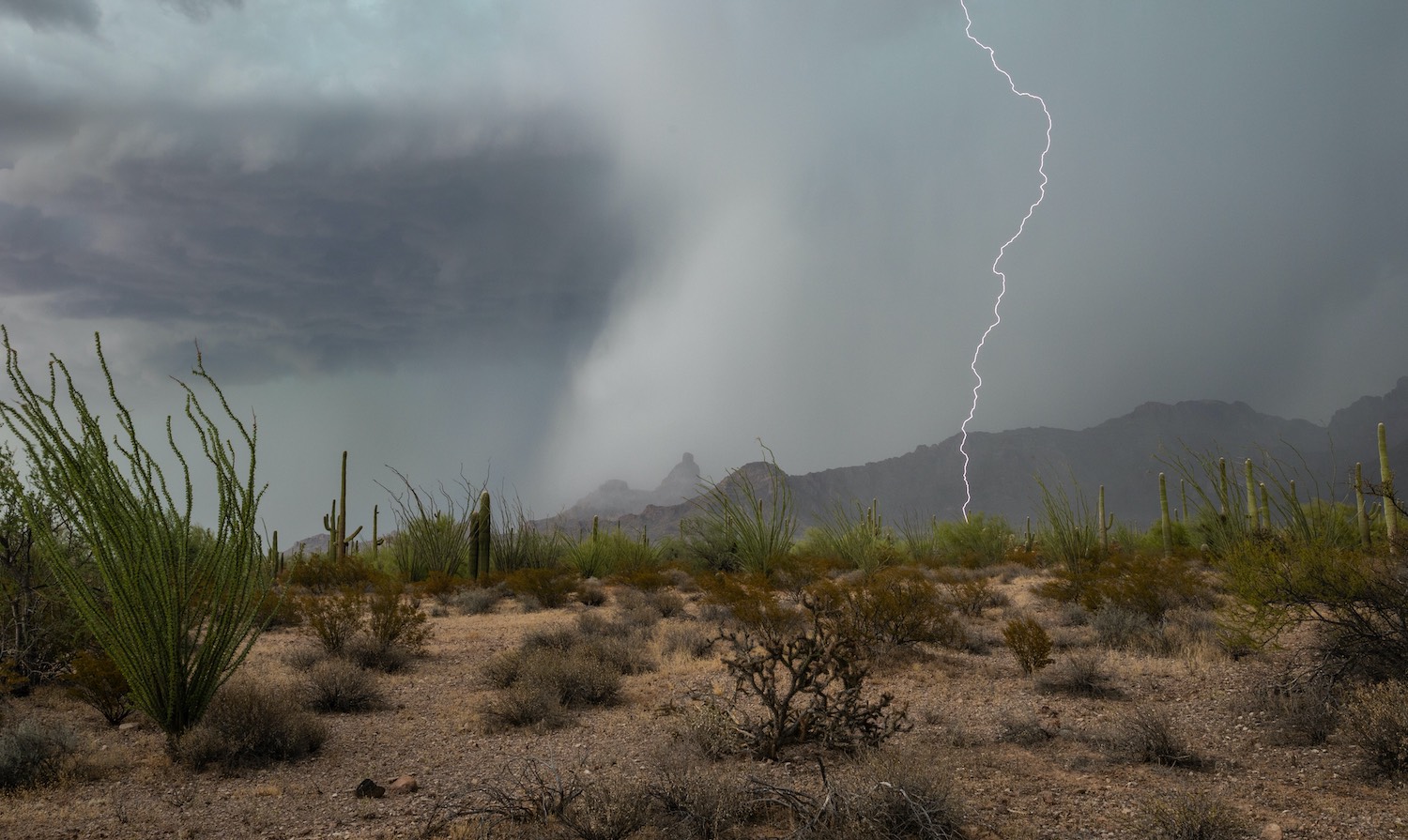
Nearly 95% of the Intermountain West remains in drought as record-breaking July temperatures and insufficient monsoon rains continue to strain the region's water supplies, according to a Aug. 20 update from Drought.gov. Major reservoirs across the Colorado River and Rio Grande Basins have reached historic lows, triggering mandatory water restrictions and threatening hydropower generation and recreation.
Persistent Regional Water Crisis
The drought situation in the Intermountain West remains severe despite intermittent monsoon rains that have failed to provide meaningful, region-wide relief for water supply challenges. According to data from Drought.gov, the region is facing a long-term water crisis that persists despite short-term moisture shifts.
Reservoirs Hit Critical Lows
Major reservoirs serving the region are facing critical depletion. Lake Mead has hit record lows since its initial filling in 1937, while Lake Powell is currently at 22% capacity. In Colorado, the Blue Mesa Reservoir, which serves as the largest reservoir in the state and acts as an emergency water supply for Lake Powell, is at 26% capacity.
Impact on New Mexico Valley
The impact on the Rio Grande Valley has been particularly severe. New Mexico's Elephant Butte Reservoir has dropped to 1.4% capacity, leaving an 82-mile section of the Middle Rio Grande Valley in New Mexico dry. While the remaining monsoon rains may provide localized relief for some storage and supply, officials noted that rainfall is unlikely to resolve the long-term water supply challenges facing the Intermountain West.
Utah Drought Intensity
Data from the U.S. Drought Monitor highlights the intensity of the current conditions. As of Aug. 18, 2026, the monitor's classifications show significant portions of the region experiencing extreme and exceptional drought. In Utah, historical data from Aug. 6, 2026, indicated that 100% of the state was experiencing some level of drought, with 93.44% of the area classified as D1 (Moderate Drought) or higher.
Historical Drought Trends
The severity of the drought in Utah has remained consistently high for several months. According to data released on Aug. 6, 2026, the state had seen 100% of its area under drought conditions for the duration of the current period. Specifically, the area classified as D2 (Severe Drought) or higher accounted for 32.8% of the state, while D3 (Extreme Drought) and D4 (Exceptional Drought) covered the remaining portions of the drought-affected area.
Socioeconomic and Environmental Impacts
The socioeconomic impacts of these conditions are broad, ranging from agricultural stress to threats to public safety. Historically, drought conditions in Utah have led to limited water for cattle, drying springs and ponds, and decreased air quality due to dust. As drought severity increases to the D3 and D4 levels, fire danger rises and irrigation water allotments are often cut to manage dwindling resources.
Ongoing Monitoring Efforts
Current monitoring efforts continue to track precipitation, temperature, soil moisture, and groundwater levels to forecast future water supply. The U.S. Drought Monitor updates its map every Thursday to provide classifications ranging from Abnormally Dry (D0) to Exceptional Drought (D4).