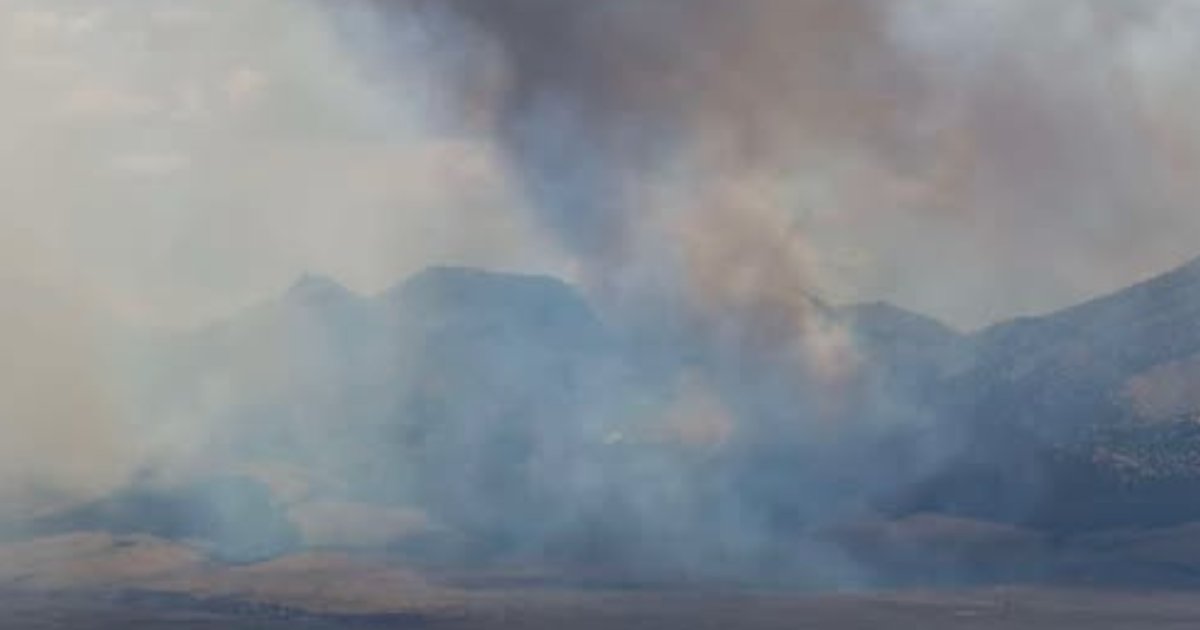
Utah is facing a deepening drought driven by rising June temperatures that have accelerated the drying of soils and vegetation across the state, according to a June 11, 2026, update from the Utah Division of Water Resources. The drought has contributed to more than 230 wildfires so far this year, many of which were caused by humans.
Declining reservoir storage levels
The Utah Division of Water Resources reported that the state's reservoir storage is currently averaging 68% full. This figure represents a 7% decrease from the seasonal norm and is 18% lower than levels recorded during this time last year. The decline in water levels has begun to impact recreational access, as several Utah state parks have been forced to close boat launch ramps to protect visitors and property when reservoir levels reach extreme lows.
Critical capacity at Lake Powell
In addition to reservoir declines, the Division of Water Resources noted that Lake Powell remains at a critically low 24% capacity. According to the June 1 Water Supply Outlook Report from the Natural Resources Conservation Service, the only other years where June 1 values were lower than current levels occurred in the mid-to-late 1960s during the reservoir's initial filling period.
Increased wildfire and fire restrictions
The drought conditions have significantly increased wildfire potential due to lower fuel moisture levels in sagebrush and light grasses. This lack of moisture, combined with red-flag winds, drove intense fire activity over the first week of June, including two separate fires that exceeded 1,000 acres each.
As a result of these heightened conditions, several counties have already implemented Stage 1 fire restrictions. In Beaver, Garfield, Iron, Kane, and Washington counties, these new restrictions officially took effect on June 5, 2026. Fire officials have observed that increased fire behavior is occurring several weeks earlier than usual as summer heat continues to dry out vegetation.
Impact of early spring runoff
The state's water supply is also being impacted by a pattern of early runoff caused by warmer spring temperatures. While some river systems are currently showing higher streamflows than the drought year of 202, water managers expect these levels to drop as summer demand increases and snowmelt runoff declines.
Regional river streamflow variations
In the Bear River Basin, streamflows remain higher than they were during the same period in 2021, but much of that runoff arrived earlier than normal. Similarly, the Upper Provo River saw streamflows remain above 2021 levels through late May due to accelerated snowmelt. This has already led to water right regulation occurring significantly earlier than usual for nearby systems.
The Upper Sevier River is experiencing a similar trend, with current deliveries remaining above 2021 levels despite an anticipated reduction in supply as the season progresses. Conversely, the Upper Duchesne River is facing more challenging conditions comparable to those seen during the 2021 drought year as streamflows continue to decline following peak runoff.
The ongoing water scarcity is also influencing long-term management and infrastructure planning across the state. The Utah Division of Water Resources continues to maintain a variety of specialized studies to address these shifts, including historical reviews of climate change impacts and potential adaptation strategies.
Recent legislative and administrative efforts have focused on funding and infrastructure. In October 2025, an HB 280 Infrastructure Fee Study evaluated the possibility of new fees to fund water projects. Additionally, a November 2024 study initiated by SB 34 looked into using property tax revenue for the costs of supplying drinking and irrigation water, including treatment and delivery.
Addressing the broader Colorado River crisis, the State of Utah, acting through the Colorado River Authority of Utah, submitted formal comments on March 2, 2026, regarding the Bureau of Reclamation's Draft Environmental Impact Statement. These comments addressed post-2026 operational guidelines and strategies for managing Lake Powell and Lake Mead.
As agricultural producers face increasing pressure from tightening seasonal supplies, the Utah Department of Agriculture and Food has urged farmers to implement water-efficiency strategies. This includes optimizing irrigation schedules and closely monitoring soil moisture levels. The department noted that precision agriculture technologies are available to help maximize crop yields while minimizing water use during these extended drought periods.
Beyond agricultural and industrial concerns, the drought is affecting local ecosystems and residential areas. The Utah Division of Wildlife has noted that extreme drought may cause wildlife, such as deer, to migrate into neighborhoods in search of food and water. Officials have advised residents to use 8-foot fences or motion-activated sprinklers to deter animals.
Additionally, the Division of Water Resources has issued warnings regarding Harmful Algal Blooms (HABs), noting that these blooms may be occurring earlier than normal due to rising temperatures. Residents are encouraged to monitor water advisories and learn to identify these blooms for their own safety.